English
 中文简体
中文简体

Quick Product Search
Contact us to learn how we can use our expertise to bring you high-quality products.
2026-04-17
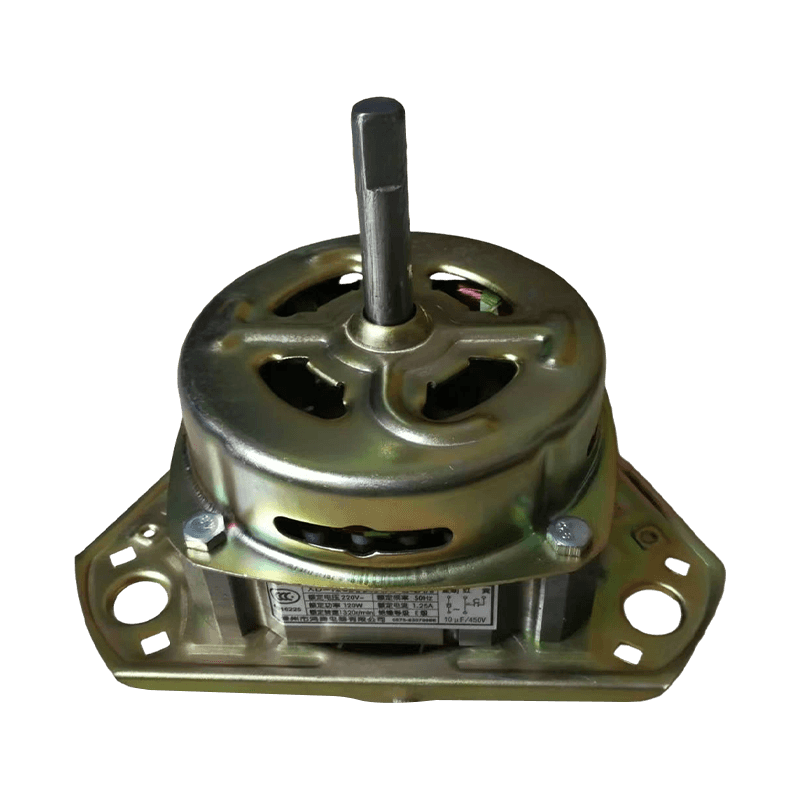
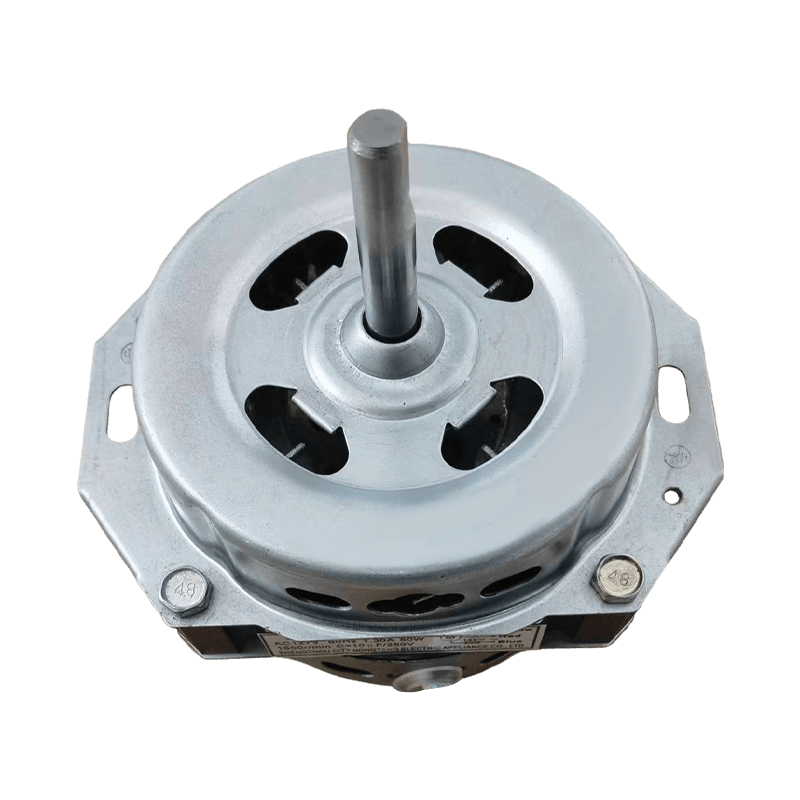
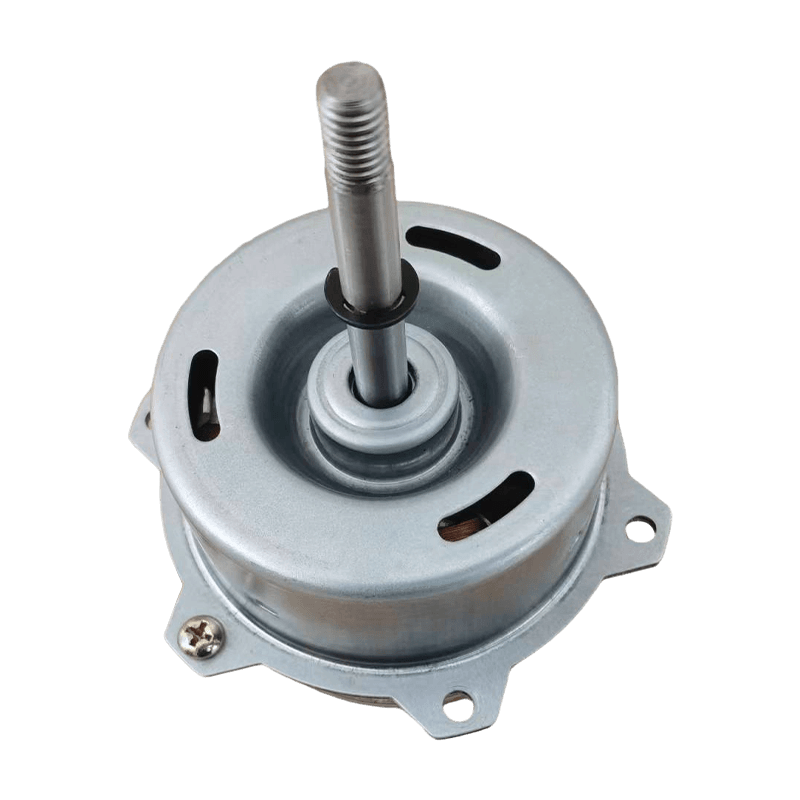
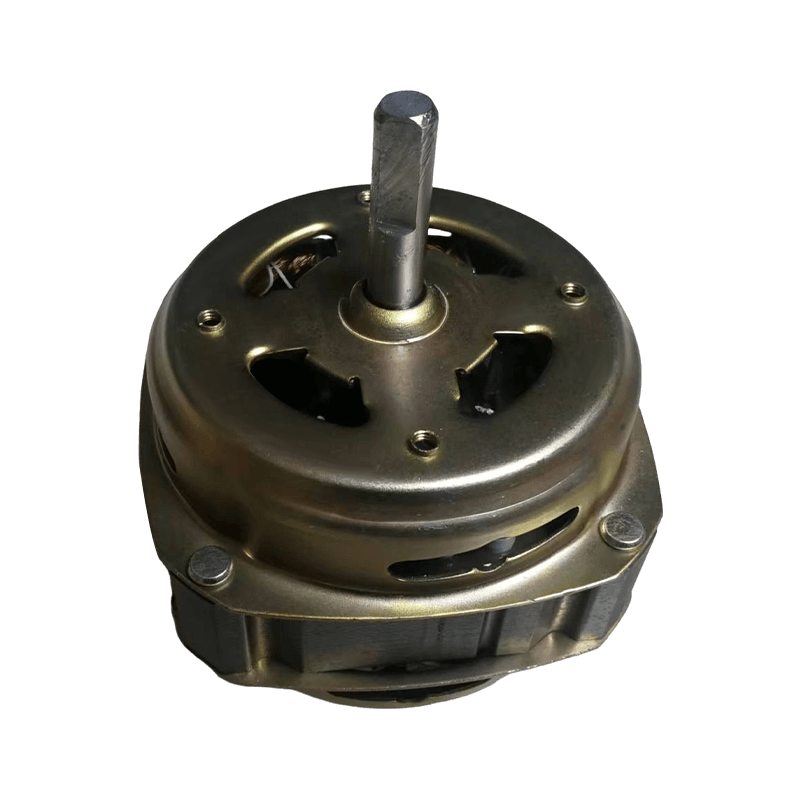
Spin Dryer Motor transmission methods determine the entire dehydration system efficiency, noise levels, reliability and cost. Market primarily features three transmission approaches: drum drive, direct drive variable frequency, and belt drive. These three technical pathways each possess advantages and limitations, with selection substantially impacting user experience and maintenance costs.
Drum transmission represents the most conventional Spin Dryer Motor structure in traditional washing machines. This design approach directly drives dehydration drum rotation through mechanical engagement between Spin Dryer Motor and dehydration tub, maintaining synchronized shaft rotation speed. Drum transmission relies upon gear mesh or belt pulley systems for torque transmission and speed regulation. This structure core advantage includes low cost, relatively simple repair, and readily available replacement components. However, drum transmission exhibits obvious drawbacks—substantial energy loss during transmission process typically ranging 15-20%, resulting in elevated motor power consumption. Noise levels remain relatively elevated, with gear mesh friction generating noticeable friction sounds during high-speed operation.
Direct drive variable frequency Spin Dryer Motor represents contemporary technological advancement. This motor mounts directly behind dehydration drum, with motor rotor and drum forming integrated structure, completely eliminating transmission mechanisms. Direct drive technology maximum advantage includes superior efficiency—energy conversion efficiency exceeds 85%, compared to drum transmission reducing power consumption by 30-40%. Direct drive motor operates with lowest noise levels because mechanical transmission friction sources are completely eliminated. Dehydration effectiveness proves optimal because motor precisely controls rotation speed, achieving maximum dehydration speeds (2800-3600RPM) with dehydration rates reaching 65-75%. Direct drive motors enable variable frequency regulation, intelligently sensing garment weight then automatically adjusting speed, extending clothing lifespan.
However, direct drive Spin Dryer Motor exhibits obvious deficiencies. First, cost proves extremely high—direct drive motor pricing reaches 2-3 times standard drum motor costs. Second, repair complexity increases substantially—integrated motor design requires complete replacement upon malfunction, creating expensive repair expenses. Third, direct drive motors demand exceptional control circuitry requirements, with variable frequency control boards adding substantial costs and increasing relative failure rates. Power source fluctuations easily damage direct drive motors.
Belt drive represents compromise approach between drum and direct drive options. Spin Dryer Motor connects to dehydration tub through triangular belts, enabling motor independent installation on machine sides or bottom. Belt drive advantages include intermediate cost positioning (between drum and direct drive), relatively simple repair requiring only belt replacement with low component costs. Transmission efficiency proves relatively favorable, approximately 75-80%, with power consumption positioned between the two approaches. Loose belt transmission structure provides excellent vibration isolation, achieving superior noise control approximately 10-15 decibels lower than drum transmission.
Belt drive transmission disadvantages remain evident. Belts undergo aging requiring regular replacement, typically needed every 2-3 years. Belt slippage reduces dehydration effectiveness, requiring periodic tension adjustment. High-speed operation causes belt odor production and accelerated wear. Belt drive dehydration speeds typically reach 3000RPM, with effectiveness slightly lower than direct drive approach.
Three transmission methods demonstrate obvious speed performance variations. Drum Spin Dryer Motor typically operates 2400-2800RPM with dehydration rates approximately 55-60%. Direct drive motors achieve 3200-3600RPM with dehydration rates 65-75%. Belt transmission motors reach 3000-3200RPM with dehydration rates approximately 62-68%. Higher rotational speeds generate greater centripetal acceleration and stronger centrifugal force, enabling thorough water extraction from garments.
Noise represents paramount user concern. Drum Spin Dryer Motor dehydration typically generates 75-85 decibels with distinctive "clicking" sounds from gear engagement. Direct drive motors produce lowest dehydration noise approximately 60-70 decibels because mechanical transmission equipment is absent. Belt transmission falls between approaches at approximately 70-78 decibels. Extended usage increases noise in drum and belt transmission systems, while direct drive motor noise remains relatively stable.
From energy consumption perspective, direct drive Spin Dryer Motor annual electricity costs prove lowest at approximately 150-200 yuan. Belt transmission demonstrates intermediate costs around 200-250 yuan. Drum transmission shows highest costs approximately 250-350 yuan. However, considering comprehensive expenses (purchase plus maintenance plus energy consumption), belt transmission frequently proves most economical—lower initial investment, moderate maintenance costs, and intermediate energy consumption.
Drum Spin Dryer Motor simple structure ensures low failure rates, typically operating 8-10 years reliably. Belt transmission motors demonstrate moderate failure rates with belt aging representing primary failure source. Direct drive motors show elevated failure rates with complex control circuitry where power source fluctuations easily cause damage. Unstable power supply environments present greater direct drive motor risk.
Drum transmission suits users prioritizing low costs, tolerating noise, and possessing strong self-repair capabilities. Belt transmission satisfies general household users balancing performance and cost effectively. Direct drive motors accommodate premium users requiring noise reduction, efficiency, and automation features. Commercial laundries should select belt or drum transmission emphasizing reliability and maintenance convenience.
Drum motor maintenance remains simple with relatively straightforward gear or pulley replacement. Belt transmission requires periodic belt tension checking with replacement every 2-3 years. Direct drive motors require virtually no maintenance but frequently demand complete replacement upon malfunction. Long-term usage perspective indicates drum and belt transmission better accommodate users with stronger self-repair capabilities.
Recommended Products

Contact Us
+86 0575 83078988
+86 13605855838
+86 17769850789
13605855838
No. 20, Zhiye Road, Changle Town, Shengzhou City, Shaoxing City, Zhejiang Province
Contact Us
 Custom Mini AC Motor Manufacturers