English
 中文简体
中文简体

Quick Product Search
Contact us to learn how we can use our expertise to bring you high-quality products.
2026-06-26
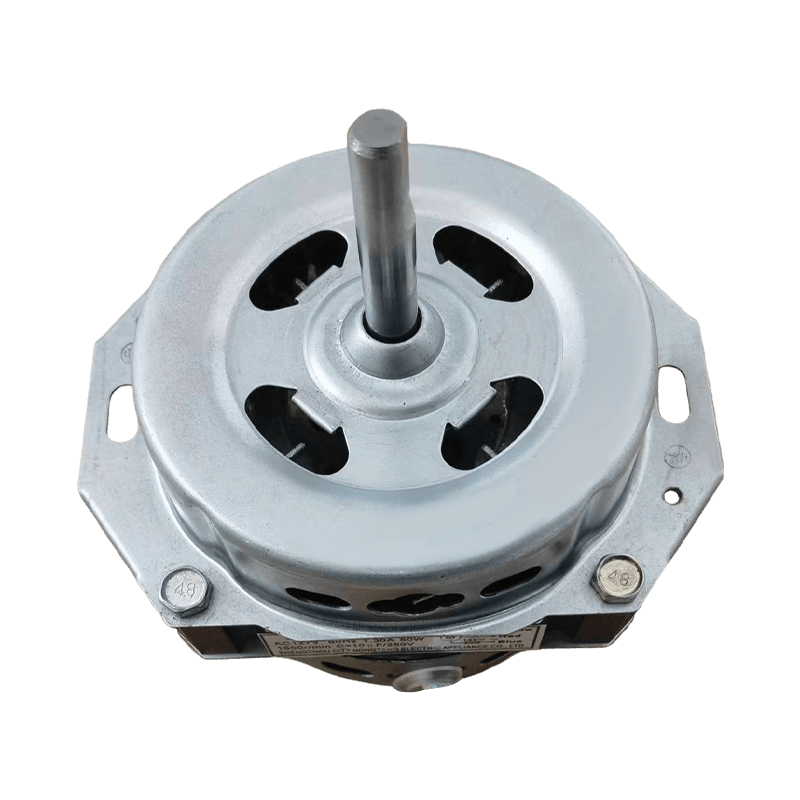
Floor fans are a staple appliance in homes, offices, workshops, and industrial facilities, valued for their ability to deliver consistent airflow at an affordable price. At the core of every floor fan lies its motor, a component that determines not only how effectively the fan circulates air but also how much electricity it consumes and how safely it operates over years of continuous use. High-efficiency and safe floor fan AC motors have become a defining standard for modern fan manufacturing, as consumers and manufacturers alike place increasing emphasis on energy savings, quiet operation, thermal protection, and long-term durability. Understanding what separates a well-engineered AC motor from a basic one helps explain why this component is central to overall fan performance and user safety.
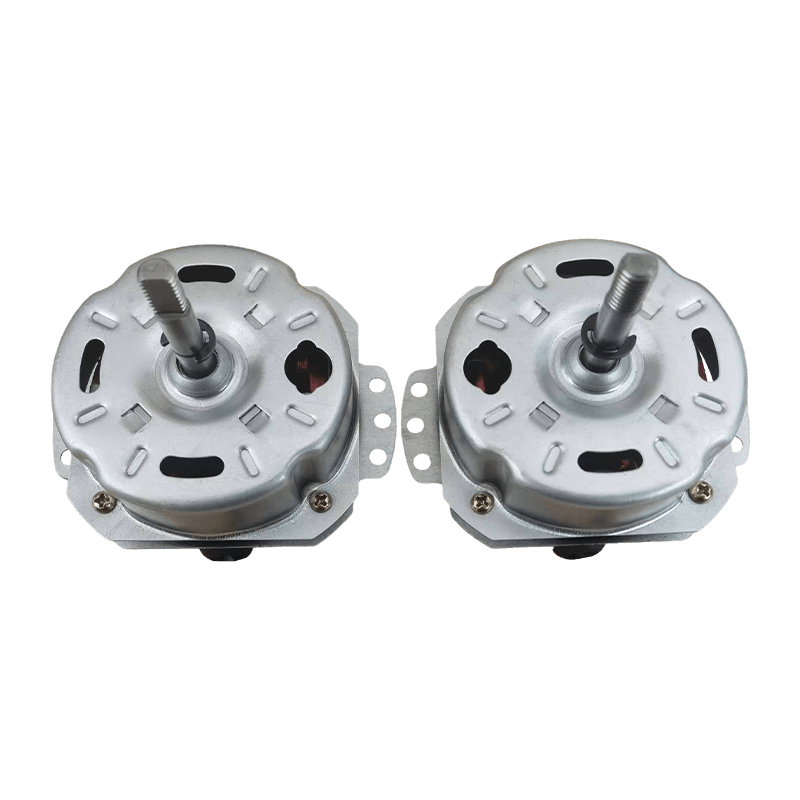
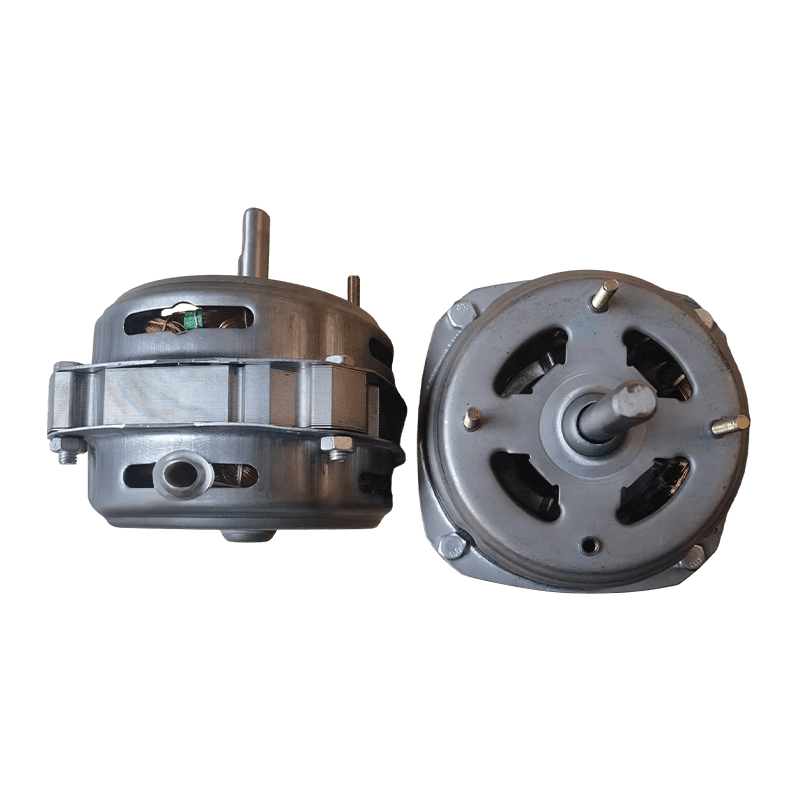
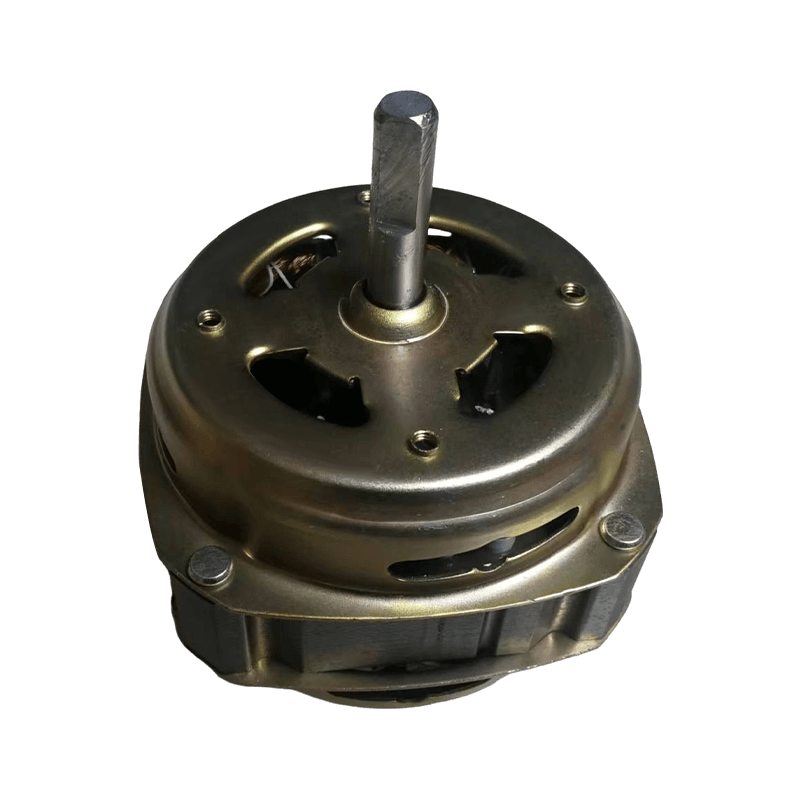
An AC motor, or alternating current motor, converts electrical energy from a standard power outlet into mechanical rotational energy that spins the fan blades. Unlike direct current motors, which require a separate power conversion step, AC motors operate directly from household or industrial AC supply, making them simpler, more cost-effective, and widely used in floor fans, table fans, and pedestal fans around the world. The motor consists of a stator, which generates a rotating magnetic field, and a rotor, which spins in response to that field. The interaction between these two components produces the torque needed to turn the fan blades at the desired speed.
Most floor fans use either shaded-pole motors or permanent split capacitor motors, commonly known as PSC motors. While shaded-pole motors are simpler and less expensive to produce, they tend to be less efficient and generate more heat during operation. PSC motors, by contrast, offer improved efficiency, smoother operation, and better speed control, which is why they are increasingly favored in fans marketed for energy efficiency and extended service life.
The choice of motor type has a direct impact on energy consumption, noise level, and the operational lifespan of a floor fan, making it one of the most important specifications to evaluate before purchase or design.
Efficiency in a fan motor refers to how effectively electrical input is converted into useful mechanical output, with minimal energy lost as heat. Several design elements contribute to achieving high efficiency in floor fan AC motors.
When these elements are combined effectively, the resulting motor draws less current for the same airflow output compared to a poorly designed equivalent, translating directly into lower electricity bills and reduced strain on household or facility power circuits, particularly during extended use in warmer climates.
Selecting the right motor type involves balancing cost, efficiency, noise level, and intended application. The table below outlines the main characteristics of motor types commonly found in floor fans.
| Motor Type | Efficiency Level | Typical Use Case |
|---|---|---|
| Shaded-Pole Motor | Low to moderate | Budget box fans and small desk fans |
| Permanent Split Capacitor (PSC) | Moderate to high | Standard floor and pedestal fans |
| Brushless DC-style AC Hybrid | High | Premium energy-efficient floor fans |
| Induction Motor | High | Industrial and heavy-duty floor fans |
Safety is a non-negotiable aspect of motor design, particularly for appliances that run continuously for hours at a time in homes, offices, and industrial environments. Manufacturers incorporate several protective features to reduce the risk of overheating, electrical faults, or mechanical failure.
These features work together to ensure that even under unusual conditions, such as accidental blade obstruction or prolonged continuous operation during heat waves, the motor responds by protecting itself and the surrounding environment rather than posing a fire or shock hazard.
Beyond efficiency and safety, motor design significantly influences the noise level produced during operation, an important factor for users who run fans for extended periods in bedrooms, offices, or quiet workspaces. High-quality motors reduce noise through precision-balanced rotors that minimize vibration, well-lubricated bearings that reduce mechanical friction sounds, and aerodynamically designed enclosures that limit air turbulence around the motor housing. Cheaper, less refined motors often produce a noticeable hum or rattle, particularly at higher speed settings, which can become distracting during prolonged use. Manufacturers focused on premium floor fan models often invest in additional vibration dampening mounts and acoustic foam linings within the motor housing to further reduce operational noise without compromising airflow output.
While the price difference between a basic shaded-pole motor fan and a high-efficiency PSC or induction motor fan may seem significant at the point of purchase, the long-term energy savings often justify the higher upfront cost. A high-efficiency motor consuming notably less wattage at the same airflow output can result in meaningful reductions in electricity expenses over months of regular use, particularly in regions where fans run for extended hours during hot seasons. Additionally, energy-efficient motors generate less waste heat, which reduces strain on air conditioning systems operating in the same space, contributing to compounded energy savings across an entire household or facility.
A well-engineered AC motor is built to withstand years of continuous operation without significant performance degradation. Several factors influence the overall lifespan of a floor fan motor.
Fans equipped with motors that score well across these factors typically offer service lives spanning many years of regular seasonal use, making them a more economical choice when total cost of ownership is considered rather than just the initial purchase price.
Even the highest quality motor benefits from basic maintenance to preserve efficiency and extend operational life. Simple, regular care can prevent many common issues before they develop into costly failures.
High-efficiency, safe floor fan AC motors serve a wide range of applications beyond simple home cooling. In residential settings, they provide reliable airflow for bedrooms, living rooms, and kitchens, often running for extended periods during warmer months. In commercial environments, floor fans equipped with robust motors support ventilation in offices, retail spaces, and event venues. Industrial settings demand even more rugged motor designs capable of withstanding continuous operation in warehouses, workshops, and manufacturing floors, where dust, vibration, and extended duty cycles place additional stress on motor components. Selecting a motor appropriately rated for its intended environment ensures consistent performance and minimizes the risk of premature failure across these diverse use cases.
As energy efficiency standards continue to tighten across global markets, manufacturers are increasingly exploring hybrid motor designs that combine the simplicity of AC power input with the efficiency benefits traditionally associated with brushless DC motors. These advanced designs use electronic control circuitry to optimize motor performance across varying speed settings while maintaining compatibility with standard AC power outlets. Additionally, ongoing improvements in magnetic materials and winding technology continue to push efficiency gains further, while smart fan models now incorporate temperature sensors and variable speed algorithms that adjust motor output automatically based on ambient conditions, further reducing unnecessary energy consumption without sacrificing cooling performance.
High-efficiency and safe floor fan AC motors represent the foundation of reliable, long-lasting, and energy-conscious cooling solutions for homes, offices, and industrial spaces alike. By prioritizing efficient electromagnetic design, robust safety features, quiet operation, and durable construction, manufacturers are able to deliver fans that perform consistently while minimizing electricity costs and safety risks over years of use. As technology continues to advance, the integration of smarter control systems and improved materials promises even greater gains in efficiency and reliability, ensuring that floor fan motors remain a quietly essential component in everyday comfort and industrial ventilation alike.
Recommended Products

Contact Us
+86 0575 83078988
+86 13605855838
+86 17769850789
13605855838
No. 20, Zhiye Road, Changle Town, Shengzhou City, Shaoxing City, Zhejiang Province
Contact Us
 Custom Mini AC Motor Manufacturers