English
 中文简体
中文简体

Quick Product Search
Contact us to learn how we can use our expertise to bring you high-quality products.
2026-04-24
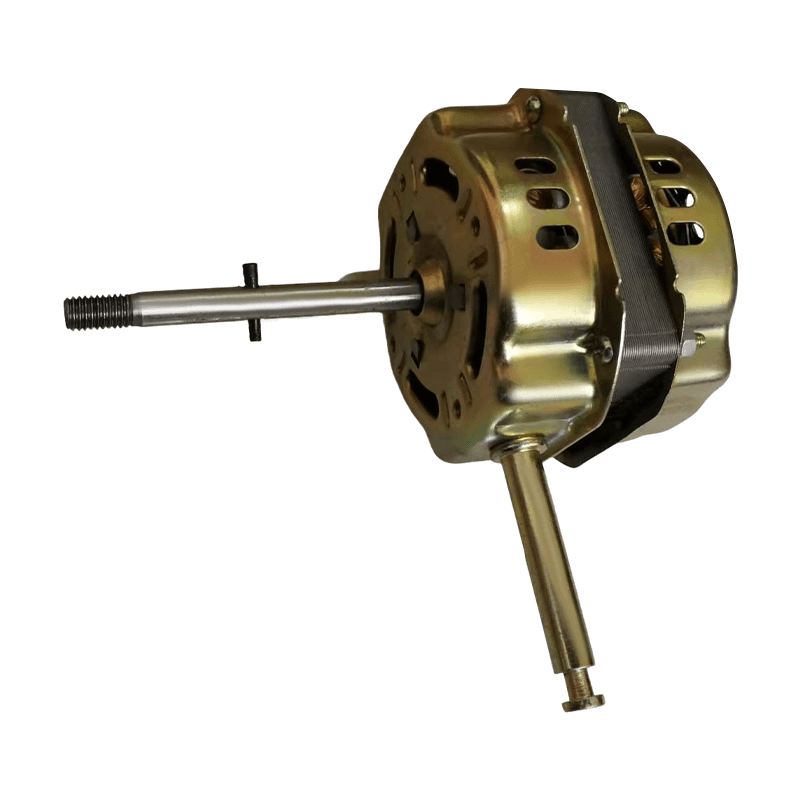
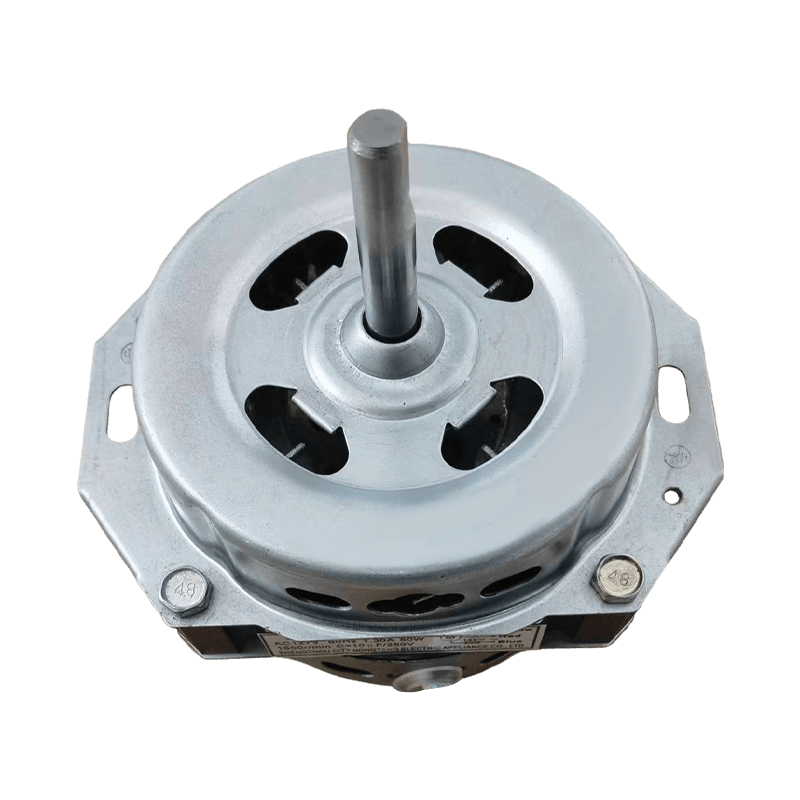
Exhaust Fan AC Motor is widely used in industrial and commercial applications, especially in areas where continuous ventilation is required, such as kitchens, factories, and commercial buildings. To ensure the long-term and stable operation of Exhaust Fan AC Motor, a series of effective measures must be taken to extend its service life.
The first step in extending the life of the Exhaust Fan AC Motor is to choose a reliable product. High-quality motors generally use durable materials and are equipped with good thermal management and electrical protection systems. These factors can effectively reduce the likelihood of motor failures during use. Therefore, when purchasing, ensure that the motor meets the relevant standards and choose products from reputable brands or certified suppliers.
Exhaust Fan AC Motor draws in a large amount of air and dust during operation, which can cause dust accumulation inside the motor, affecting cooling efficiency and increasing motor load. Therefore, regularly cleaning the Exhaust Fan AC Motor and its fan components to remove internal dust is key to extending its service life. The cleaning cycle should be determined according to the working environment of the device. In harsh environments, more frequent cleaning is required.
In addition, lubrication is an important maintenance step. The bearings and other components of the Exhaust Fan AC Motor need to be regularly lubricated to prevent excessive friction and premature damage. Use lubricants that meet specifications, and avoid using poor-quality lubricants.
The working environment of the Exhaust Fan AC Motor has a significant impact on its lifespan. High temperatures, humidity, and harsh environments can accelerate motor aging. Therefore, try to install the motor in a suitable temperature and well-ventilated environment. Avoid placing it in high-temperature or humid conditions to prevent excessive motor load and premature failure.
The electrical connections and current load of the Exhaust Fan AC Motor directly affect the motor's lifespan. Poor wiring or excessive current load can cause the motor to overheat or short-circuit, shortening its lifespan. When installing and maintaining the Exhaust Fan AC Motor, ensure that the electrical connections meet standard requirements, and avoid poor contact or current overload.
Using a Variable Frequency Drive (VFD) is an effective way to extend the lifespan of the Exhaust Fan AC Motor. VFDs can adjust the motor speed according to actual needs, preventing the motor from running at full load for extended periods, thus reducing motor wear and failure rates. With VFDs, the Exhaust Fan AC Motor can maintain optimal operating conditions under different working conditions, reducing wear on mechanical components and extending its lifespan.
Overloading is one of the main causes of damage to the Exhaust Fan AC Motor. Overloading causes the motor's internal temperature to rise, leading to insulation material aging or even motor burnout. Therefore, it is crucial to keep the motor's load within the rated range. Overload protection devices can be installed to prevent the motor from operating under overload conditions, effectively reducing the risk of damage.
Protective devices can effectively protect the Exhaust Fan AC Motor from external damage, such as dust, moisture, and chemicals. When installing the Exhaust Fan AC Motor, it is recommended to equip it with appropriate protective covers or enclosures to prevent external contaminants from entering the motor, affecting its normal operation. Protective devices also help prevent damage caused by external impacts.
Finally, to extend the life of the Exhaust Fan AC Motor, it is necessary to regularly monitor the motor's operating status. Sensors and monitoring equipment can be installed to detect parameters such as temperature, vibration, and current. If any abnormalities are detected, take immediate action to address them to prevent further deterioration of the problem, which would affect the motor's lifespan.
Recommended Products

Contact Us
+86 0575 83078988
+86 13605855838
+86 17769850789
13605855838
No. 20, Zhiye Road, Changle Town, Shengzhou City, Shaoxing City, Zhejiang Province
Contact Us
 Custom Mini AC Motor Manufacturers