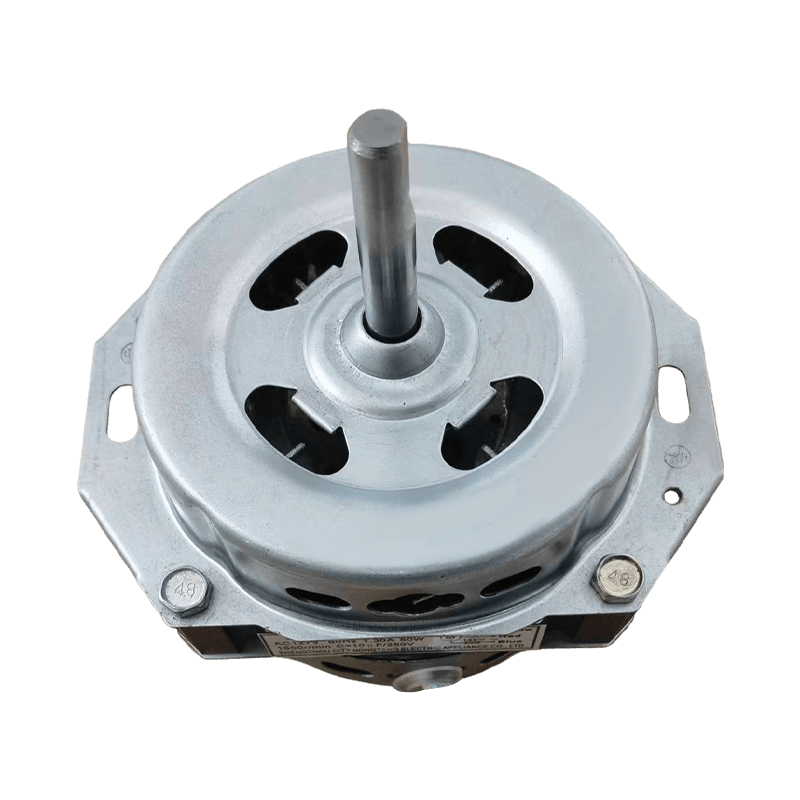
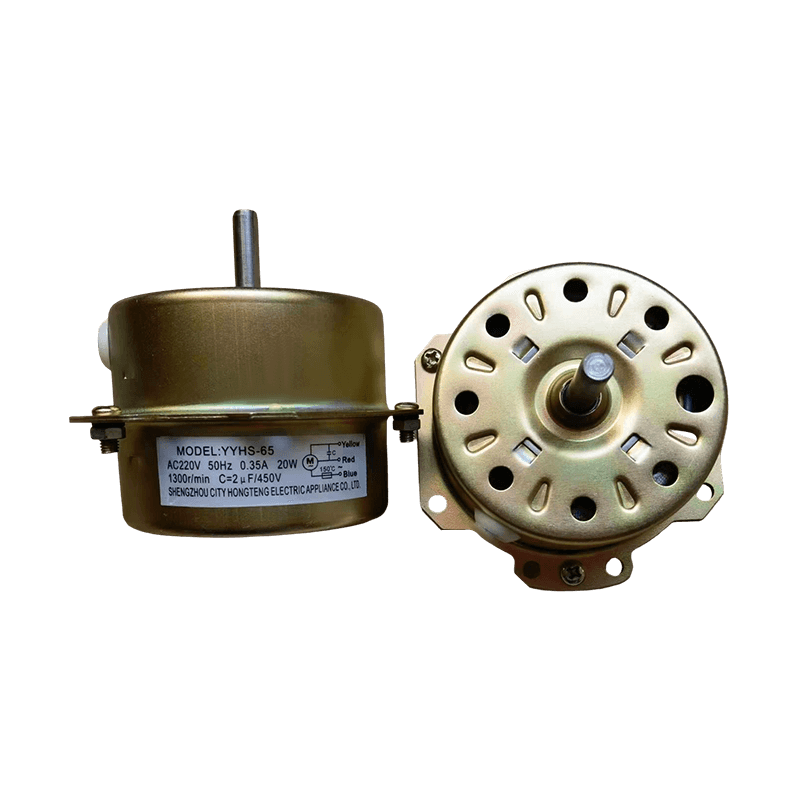
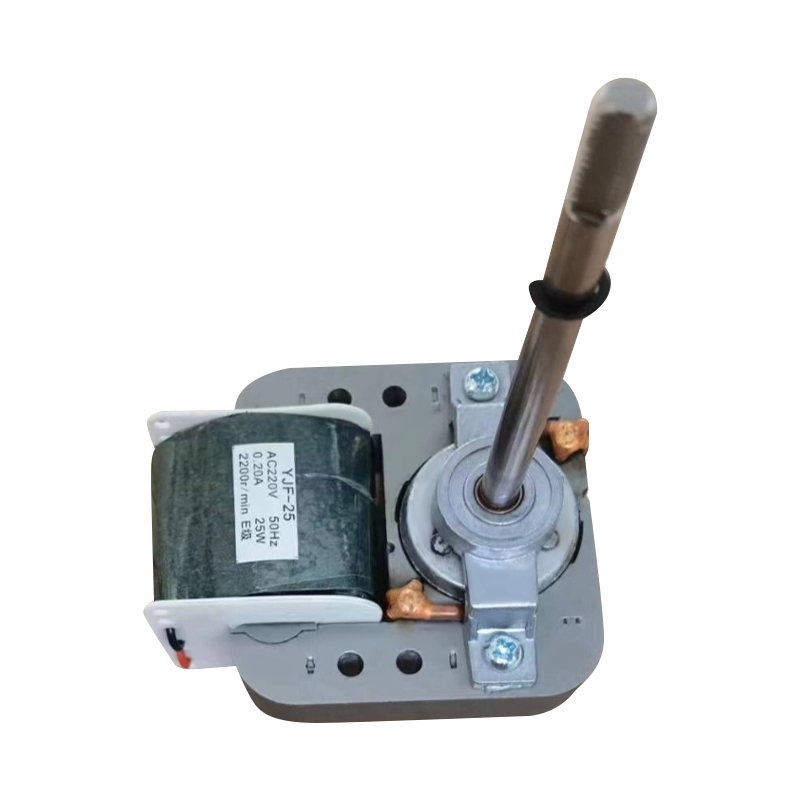
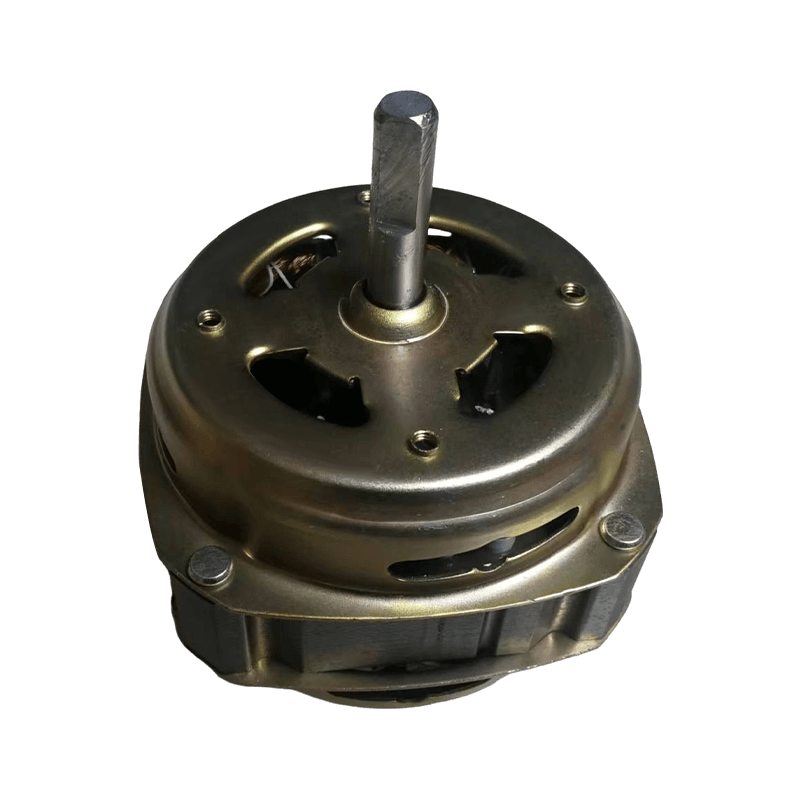
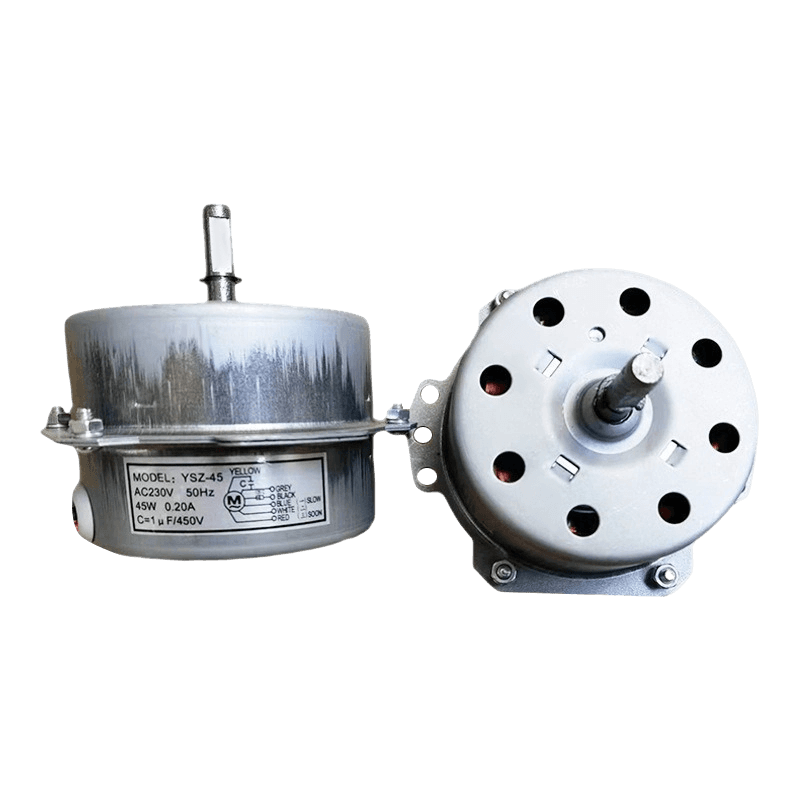
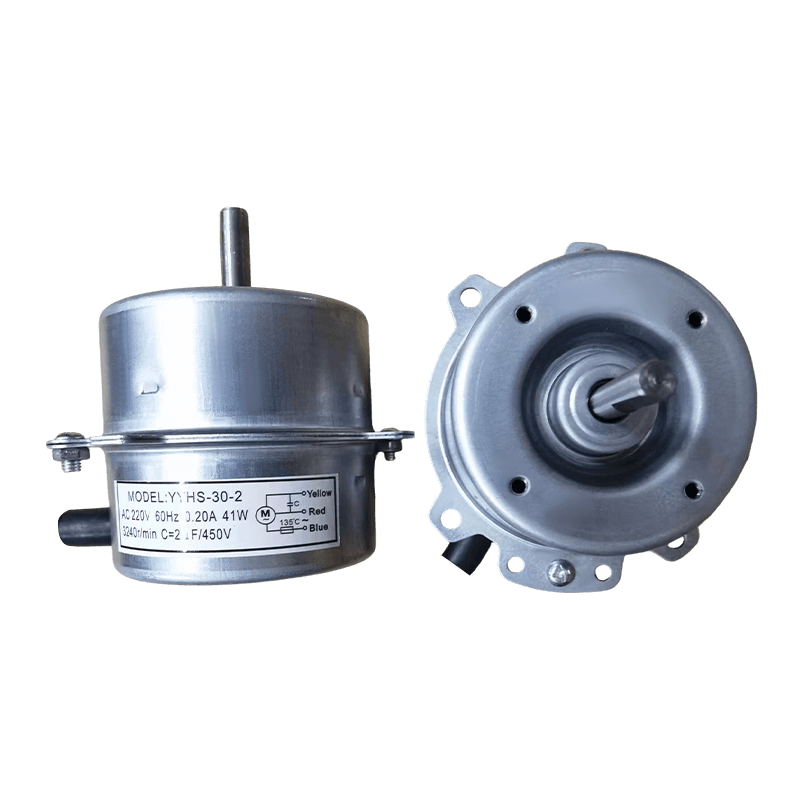
Introduction to Home Appliance AC Motors
AC motors, or alternating current motors, are integral components in modern home appliance. They convert electrical energy into mechanical motion, making a wide range of devices—from washing machines to refrigerators—function smoothly. Understanding these motors can help you better maintain your appliances, troubleshoot motor-related issues, and even make informed purchasing decisions when replacing a motor in a home appliance.
What is an AC Motor?
An AC motor is an electric motor powered by alternating current. Unlike DC motors, which run on direct current, AC motors operate by using a back-and-forth flow of electrical current to create a rotating magnetic field. This rotating field interacts with a component called the rotor, causing it to spin and generate motion.
The basic structure of an AC motor includes:
- Stator: The stationary part of the motor, which houses the windings (coils of wire) that create the magnetic field when electricity flows through them.
- Rotor: The rotating part that is connected to the appliance's mechanism, such as a drum in a washing machine or a fan in an HVAC system.
The interaction between the stator’s rotating magnetic field and the rotor creates torque, which powers various mechanical systems in home appliance. The efficiency and performance of Home Appliance AC Motors can vary based on their type, size, and the appliance they serve.
The Importance of Motors in Modern Appliances
Motors are the unsung heroes in most home appliance, providing the mechanical force required for them to perform their tasks. Whether it's agitating laundry, circulating air in the HVAC system, or turning a compressor in a refrigerator, motors are behind much of what makes our homes comfortable and convenient.
Here’s a closer look at the importance of Home Appliance AC Motors in household devices:
- Refrigerators and Freezers: These appliances rely on AC motors to power the compressor, which circulates refrigerant through the cooling system to maintain low temperatures. Without an efficient motor, a fridge would fail to cool effectively.
- Washing Machines and Dryers: Motors in washing machines rotate the drum to wash clothes, while in dryers, they spin the drum to help dry clothes. A washing machine motor, especially the one that drives the agitator or drum, plays a critical role in ensuring the washing process is thorough and effective.
- HVAC Systems: Air conditioning units, furnaces, and ventilation systems depend on various motors to circulate air and maintain desired temperatures. For example, furnace blower motors help distribute heated air throughout the house, while condenser fan motors are essential in keeping an AC unit functioning properly.
- Kitchen Appliances: In blenders, food processors, and dishwashers, AC motors drive the rotating parts that mix, chop, and clean. High-speed universal motors are commonly found in these appliances, thanks to their ability to deliver fast, consistent motion in a compact package.
By enabling appliances to function, AC motors not only make our lives easier but also enhance the longevity and efficiency of devices. The right type of motor in each appliance contributes to the overall performance, energy efficiency, and reliability of modern household devices.
Common Types of AC Motors in Domestic Use
When it comes to home appliance, AC motors are designed to meet specific performance needs, based on factors such as torque, speed, and efficiency. Understanding the different types of AC motors commonly used in domestic appliances can help homeowners choose the right replacement motors or troubleshoot motor issues.
Single-Phase Induction Motors
Single-phase induction motors are one of the most widely used motor types in home appliance due to their simple construction and cost-effectiveness. These motors are powered by a single-phase AC supply, making them ideal for use in residential areas, where multi-phase AC power isn't available.
How It Works:
In a single-phase induction motor, an alternating current flows through the stator windings, creating a rotating magnetic field. The rotor, located inside the stator, follows this rotating field and begins to spin, producing mechanical motion.
Common Applications:
- Refrigerators: In many older models, single-phase induction motors are used to power the compressor. The compressor is responsible for circulating refrigerant to cool the refrigerator.
- Washing Machines: Single-phase induction motors are often used to drive the agitator or drum, providing the necessary movement for washing clothes.
- Ceiling Fans: These motors are typically used in ceiling fans, providing a quiet, energy-efficient solution for air circulation.
Benefits:
- Reliability: Single-phase induction motors are known for their durability and ability to operate over long periods without issues.
- Simplicity: With fewer parts and a straightforward design, these motors are relatively easy to maintain and repair.
- Cost-Effective: These motors are affordable and efficient, making them ideal for low-cost home appliance.
Drawbacks:
- Lower Starting Torque: While efficient, single-phase induction motors generally have lower starting torque compared to other motor types, which can sometimes affect the performance of heavy-load appliances.
Shaded-Pole Motors (Low-Torque)
Shaded-pole motors are a subtype of single-phase motors, commonly used in small home appliance where low power and torque are sufficient. These motors are called "shaded-pole" because part of the stator winding is "shaded" by a copper ring, creating a weak rotating magnetic field.
How It Works:
The stator in a shaded-pole motor has a portion of its windings encircled by a copper ring. This ring causes the magnetic field to shift slightly, which induces a rotating magnetic field and causes the rotor to spin.
Common Applications:
- Small Fans: Shaded-pole motors are often found in small fans like those in bathroom or computer cooling fans.
- Ventilators: These motors are used in ventilation systems for low-power airflow applications.
- Clocks and Timers: In appliances that need slow, continuous motion like clocks or some timers, shaded-pole motors provide steady operation.
Benefits:
- Simplicity: Shaded-pole motors are simple in design, which reduces both cost and maintenance complexity.
- Low Cost: Due to their uncomplicated structure, shaded-pole motors are relatively inexpensive to manufacture and replace.
- Quiet Operation: These motors operate quietly, making them ideal for environments where noise reduction is important, such as bathroom fans or kitchen ventilation.
Drawbacks:
- Low Efficiency: The biggest downside of shaded-pole motors is their lower efficiency compared to other motor types. This is primarily due to the limited torque they provide and the energy lost during operation.
- Limited Power: Shaded-pole motors are suitable only for low-power applications, so they are not typically found in appliances that require high torque or speed.
Capacitor-Start / Capacitor-Run Motors
Capacitor-start, capacitor-run motors (also called "capacitor motors") are a more sophisticated version of the single-phase induction motor, offering higher efficiency and greater starting torque. These motors incorporate a capacitor in the circuit to provide a boost during startup and to improve the overall performance of the motor during operation.
How It Works:
- Capacitor-Start: A capacitor is placed in series with the start winding of the motor. This helps generate higher starting torque by shifting the phase of the current.
- Capacitor-Run: In addition to the start capacitor, a capacitor remains in the circuit during normal operation, which improves the motor's efficiency and reduces energy consumption.
Common Applications:
- Air Conditioners and HVAC Systems: These motors are often used in AC compressor units and furnace blowers, where higher starting torque and continuous efficiency are needed.
- Washing Machines: Many modern washing machines utilize capacitor-start, capacitor-run motors to efficiently drive both the agitator and the drum.
- Pumps and Fans: These motors are frequently used in water pumps, exhaust fans, and other applications that require consistent, high torque.
Benefits:
- Higher Starting Torque: The capacitor provides an extra boost of power when the motor starts, making these motors ideal for appliances that require high torque at startup.
- Energy Efficiency: The capacitor-run feature ensures these motors consume less energy during operation, leading to lower electricity bills in the long run.
- Reliable and Durable: These motors are built to last, offering consistent performance even in demanding applications.
Drawbacks:
- Complexity: The addition of a capacitor makes these motors more complex than basic single-phase induction motors, which could lead to higher repair costs if the capacitor fails.
- Size: Capacitor motors tend to be bulkier than shaded-pole or single-phase motors, which can be a factor in compact appliances.
Universal Motors (High-Speed Kitchen Tools)
Universal motors are versatile AC motors that can run on both alternating current (AC) and direct current (DC). These motors are known for their high-speed capabilities, making them ideal for appliances that require rapid movement and power.
How It Works:
Universal motors use a series wound armature and a commutator to deliver high-speed performance. When AC is supplied to the motor, the commutator switches the direction of current through the armature, creating a rotating magnetic field that drives the motor's rotor.
Common Applications:
- Blenders and Mixers: Universal motors are common in high-speed kitchen appliances like blenders, mixers, and food processors, where rapid rotation is required for chopping, blending, or grinding.
- Vacuum Cleaners: Many vacuum cleaners use universal motors due to their compact size and high-speed efficiency.
- Power Tools: Universal motors are also commonly found in power tools such as drills, saws, and grinders, where high-speed, high-torque action is needed.
Benefits:
- High Speed: Universal motors can reach very high speeds, making them ideal for tasks that require rapid mechanical motion, such as mixing or grinding.
- Compact Size: Due to their design, universal motors are smaller and lighter than other types of motors, making them perfect for compact appliances.
- Versatility: Since universal motors can run on both AC and DC, they are highly versatile and can be used in a wide variety of appliances.
Drawbacks:
- Noise: Universal motors can be quite noisy compared to other motor types, especially at higher speeds.
- Shorter Lifespan: Due to the wear on the brushes and commutator, universal motors generally have a shorter lifespan compared to other motor types, especially in high-use appliances.
- Efficiency: These motors tend to be less efficient than induction motors, as the presence of brushes and commutators creates more friction and energy loss.
Key Applications Across the Home
AC motors play a vital role in keeping home appliance running smoothly. These motors are designed to handle the varying demands of different appliances, from powering the compressor in your refrigerator to driving the drum in your washing machine. Understanding how these motors work in different contexts is essential for diagnosing issues, performing maintenance, or choosing the right replacement motor for your home appliances.
Refrigerators and Freezers: Compressor Motors
The most important motor in a refrigerator or freezer is the compressor motor, which helps circulate the refrigerant through the appliance's cooling system. Without the compressor motor, the cooling process cannot occur, meaning your refrigerator won't be able to maintain the necessary cold temperature to preserve food.
How It Works:
The compressor motor powers a compressor that compresses the refrigerant gas. This high-pressure gas is then pushed through the evaporator coils, where it cools down, and then circulates throughout the fridge to absorb heat. The motor also enables the cycling of the refrigerant through various phases of compression and evaporation, helping to maintain the desired temperature inside the appliance.
Common Motor Types Used:
- Single-Phase Induction Motors are most common in older refrigerators. They are reliable and work well in situations where constant speed and low power consumption are essential.
- Capacitor-Start / Capacitor-Run Motors are often used in more modern, energy-efficient refrigerators because they provide higher starting torque and better overall efficiency.
Challenges and Maintenance:
Compressor motors can suffer from wear and tear due to their constant operation. A common issue is the failure of the capacitor, which can lead to the motor failing to start. Regular maintenance, like ensuring good airflow around the motor and checking the capacitor's condition, can help extend its life.
Washing Machines and Dryers: Agitator and Drum Motors
Washing machines and dryers use AC motors to drive the agitator (the component that moves the clothes) or the drum (the rotating drum in front-load washers and dryers). The type of motor used varies depending on the appliance design and whether the machine is top-loading or front-loading.
How It Works:
- Washing Machines: The motor rotates the agitator or drum back and forth to move the clothes through the water and detergent. Some machines also use an additional motor to power the pump for draining water.
- Dryers: In dryers, the motor rotates the drum, helping to tumble the clothes while blowing hot air through them. The motor must be able to operate at high speeds for extended periods to ensure efficient drying.
Common Motor Types Used:
- Single-Phase Induction Motors are frequently used in older washing machines and dryers, where reliability is key. These motors provide sufficient power to rotate the agitator or drum without requiring a high starting torque.
- Capacitor-Start / Capacitor-Run Motors are often found in more modern washing machines and dryers, as they provide higher starting torque and better energy efficiency.
- Universal Motors can be found in certain high-speed washers or dryers, offering greater flexibility in speed control and performance.
Challenges and Maintenance:
Motor failure in washing machines or dryers often results in either no rotation or an inconsistent spin. For washing machines, the failure of the agitator motor can prevent proper washing, while in dryers, a malfunctioning motor may result in insufficient drying. Regular cleaning of lint filters and ensuring the motor’s components are free of buildup can extend the motor's lifespan.
HVAC Systems: Furnace Blowers and Condenser Fans
Heating, ventilation, and air conditioning (HVAC) systems rely on several different types of motors to circulate air, regulate temperature, and keep the air flowing smoothly throughout the house. These systems are often powered by blower motors and condenser fan motors, both of which are essential for heating and cooling.
How It Works:
- Furnace Blower Motors: Furnace blower motors circulate air throughout the home. They draw in cold air, heat it via the furnace, and push it through the ductwork to the various rooms. The blower motor runs continuously in most modern HVAC systems to ensure even air distribution.
- Condenser Fan Motors: In air conditioners and heat pumps, condenser fan motors are responsible for blowing air across the outdoor condenser unit to expel the heat absorbed from inside the house. This process helps maintain optimal temperatures inside the system and prevents overheating.
Common Motor Types Used:
- Capacitor-Start / Capacitor-Run Motors are often used in furnace blowers, as they provide the necessary torque to circulate air at various speeds. These motors are efficient and ensure reliable, long-term operation of HVAC systems.
- Shaded-Pole Motors may be used in smaller HVAC systems or in less demanding applications, as they are simple and low-cost but less efficient.
- Single-Phase Induction Motors are commonly used in smaller furnaces or air conditioning units where low power consumption and reliability are paramount.
Challenges and Maintenance:
HVAC motors can be susceptible to dirt, dust, and other debris, which can impair performance. Regular cleaning of the motor and air filters, along with ensuring proper lubrication of moving parts, can help prevent overheating and ensure smooth airflow. Another common issue is capacitor failure, which can cause the motor to stop working altogether.
Kitchen Appliances: Blenders, Mixers, and Dishwashers
Kitchen appliances like blenders, mixers, and dishwashers rely on universal motors for high-speed, powerful operation. These motors need to handle varying levels of torque and speed to ensure efficient food processing, mixing, and cleaning.
How It Works:
- Blenders and Mixers: Universal motors in blenders and mixers rotate at high speeds, breaking down ingredients, blending liquids, and kneading dough. These motors can reach very high RPMs, enabling them to chop, mix, and blend food items with precision.
- Dishwashers: In dishwashers, the motor drives the pump that circulates water through the washing cycle. It also powers the spray arms that ensure water is evenly distributed to clean the dishes.
Common Motor Types Used:
- Universal Motors are the most common motor type in blenders, mixers, and food processors. Their ability to run at high speeds makes them ideal for kitchen tasks that require rapid movement and high torque.
- Capacitor-Start / Capacitor-Run Motors may be used in certain high-performance kitchen appliances, offering better energy efficiency and quieter operation.
- Single-Phase Induction Motors can sometimes be used in dishwashers, particularly in older models, due to their reliable performance and energy efficiency.
Challenges and Maintenance:
Universal motors in kitchen appliances can wear out quickly due to the frequent, high-speed operation. Over time, the brushes and commutator may degrade, leading to performance issues. Regular cleaning and ensuring that no food particles get caught in the motor's moving parts can help extend the motor’s lifespan. For dishwashers, motor failure can lead to poor water circulation or a lack of water pressure, preventing the appliance from properly cleaning dishes.
Buying Guide: How to Match the Right Motor
When it comes time to replace or repair the motor in your household appliance, it's crucial to select the right motor for the job. Choosing the wrong motor can lead to inefficiency, poor performance, or even damage to the appliance. This buying guide will walk you through the essential factors to consider when matching the right motor to your needs, ensuring optimal performance and longevity for your home appliances.
Checking Voltage and Phase
One of the first steps in selecting the right motor for an appliance is ensuring it matches the voltage and phase specifications of the original motor. Understanding these two factors will help you choose a motor that can operate efficiently within your home’s electrical system.
Voltage:
Voltage refers to the electrical potential supplied to the motor. In the United States, most home appliance operate on either 110V or 220V AC power. The voltage requirement of the replacement motor must match the appliance’s specifications to ensure proper operation.
- 110V (Single-Phase): This is the most common voltage used for small home appliance. If your appliance originally used a motor rated for 110V, you’ll need to replace it with a motor that operates within this range.
- 220V (Single-Phase or Three-Phase): Larger appliances, such as air conditioners or commercial-grade machines, may require 220V motors. It's important to confirm whether the motor you're replacing operates on 220V before purchasing a replacement.
To ensure compatibility, check the motor's nameplate or the appliance's manual, which typically lists the voltage requirements. If your home uses 220V power, make sure to replace the motor with one designed for that voltage to avoid underperformance or damage.
Phase:
AC motors come in two primary types based on their electrical supply:
- Single-Phase Motors: These are typically used in small appliances such as fans, refrigerators, and washing machines. Most residential homes have single-phase power, so replacing a motor with a single-phase version is common for most home appliance.
- Three-Phase Motors: These are used in larger appliances or systems that require more power, such as industrial-grade HVAC systems or large air conditioners. Three-phase motors are typically found in commercial or heavy-duty appliances, and you’ll need to ensure that the appliance’s wiring can support three-phase power if you’re replacing one of these motors.
Selecting the correct phase is vital, as using a motor that is not designed for your home's electrical setup could lead to inefficient operation or even damage to the motor or appliance.
Understanding Horsepower (HP) and RPM
When selecting a motor for your appliance, two critical specifications to pay attention to are horsepower (HP) and revolutions per minute (RPM). Both of these factors affect the motor’s power output and speed, which in turn impacts the performance of the appliance.
Horsepower (HP):
Horsepower is a unit of measurement used to quantify the motor’s power. The higher the horsepower, the more power the motor has to drive the appliance. Motors with higher horsepower are generally used in appliances that require greater torque or capacity to perform demanding tasks.
- Small Appliances: Smaller appliances like fans, blenders, and some kitchen tools typically require motors with 1/4 HP to 1 HP.
- Larger Appliances: Larger machines such as refrigerators, washing machines, and HVAC units often require motors with 1 to 3 HP or more, depending on the appliance’s size and power needs.
To determine the required horsepower, you can refer to the appliance’s manual or the existing motor’s nameplate. Replacing a motor with the wrong horsepower could result in insufficient performance or overloading the motor.
Revolutions Per Minute (RPM):
RPM measures how fast the motor spins. Different appliances require motors to spin at different speeds based on their specific tasks. For example, a fan motor needs a much higher RPM than a compressor motor used in a refrigerator.
- Low RPM Motors: Motors that operate at low RPM (e.g., 1,000 to 1,500 RPM) are typically found in appliances like compressors and furnace blowers, where the motor needs to provide consistent, low-speed power for long durations.
- High RPM Motors: Blenders, power tools, and other high-speed devices require motors that operate at a much higher RPM, often over 10,000 RPM. These motors provide the necessary speed for tasks like chopping, grinding, or mixing.
When replacing a motor, ensure that the RPM of the new motor matches the requirements of your appliance. Installing a motor with the wrong RPM can affect performance and potentially damage the appliance.
Matching HP and RPM:
Both horsepower and RPM must be matched to the appliance’s requirements. For example, a high-horsepower motor with a low RPM may be inefficient for high-speed tasks like blending, while a low-horsepower motor with a high RPM may not provide enough torque for heavy-duty appliances like compressors.
Frame Size and Mounting Types
Once you've determined the appropriate voltage, phase, horsepower, and RPM for the motor, the next critical factor to consider is the frame size and mounting type. These characteristics ensure the motor fits physically in your appliance and operates securely.
Frame Size:
The frame size of a motor refers to its physical dimensions, which are standardized by the National Electrical Manufacturers Association (NEMA). These dimensions, which include the motor’s length, width, and shaft size, dictate whether the motor will fit within the appliance’s housing and function correctly.
Motor frame sizes are typically specified by a number that corresponds to the physical dimensions of the motor. For example, a "56" frame motor refers to a motor that has a specific width and length, with standardized mounting holes and shaft size.
When replacing a motor, be sure to measure the current motor’s frame size or consult the appliance's user manual to determine the correct size. Installing a motor that is too large or too small will prevent it from fitting properly, leading to potential alignment issues, noise, or even failure.
Mounting Types:
The mounting type refers to how the motor is physically attached to the appliance. There are several common mounting types used in home appliance, and it is important to match the mounting type of the replacement motor to that of the original motor to ensure it fits securely and operates safely.
- Foot Mount (Rigid Mount): This is the most common mounting type, where the motor has one or more feet that are bolted directly to the appliance frame.
- Flange Mount: In this mounting configuration, the motor is attached by a flange (a flat, circular part) to the appliance. This type is often used for motors in compressors, where the motor must be held firmly in place to prevent movement.
- C-face Mount: Common in some commercial motors, this mounting type uses a flange with a shaft extension that allows the motor to connect directly to a load (such as a fan or pump).
Before purchasing a replacement motor, ensure the mounting type of the new motor matches the original motor’s mounting setup. Incorrect mounting can lead to vibration, misalignment, or improper operation of the appliance.
Shaft Size and Keyway:
Another important factor to consider is the motor's shaft size and keyway. The shaft connects the motor to the appliance's working parts, such as the fan blades or drum. A proper fit between the motor shaft and the appliance components is necessary to transfer power efficiently.
- Shaft Diameter: The shaft diameter should match the diameter of the component it will connect to. Common sizes include 1/2 inch, 5/8 inch, and 3/4 inch.
- Keyway: A keyway is a small slot on the motor’s shaft that locks the motor’s components in place. If the original motor had a keyway, the replacement motor must also have one to prevent slipping or misalignment.
Additional Considerations:
- Thermal Protection: Many motors come with built-in thermal protection, which automatically shuts off the motor if it overheats. For appliances that work in hot or heavy-duty environments, it’s important to select a motor with adequate thermal protection to prevent damage.
- Enclosure Type: Motors are also classified by the type of enclosure, which dictates how well they are protected from dust, moisture, or other contaminants. Common enclosures include open drip-proof (ODP) and totally enclosed fan-cooled (TEFC). Make sure to choose an enclosure that matches the conditions where the appliance will be used.
Maintenance and Troubleshooting Tips
Proper maintenance and timely troubleshooting of AC motors in home appliance are essential to extend the life of the motor and ensure the appliance continues to operate efficiently. AC motors can experience various issues over time due to wear and tear, electrical fluctuations, and environmental factors. However, by following the right maintenance practices and knowing how to troubleshoot common problems, you can prevent major failures and save money on repairs or replacements.
Regular Maintenance Practices
Proper motor maintenance can help reduce the frequency of breakdowns and ensure your appliance operates at peak performance. Here are some essential motor maintenance practices for home appliance:
Keep the Motor Clean
Dirt, dust, and debris can accumulate on the motor’s components, such as the rotor, stator, and bearings, leading to reduced performance or overheating. Cleaning your motor regularly will help maintain its efficiency.
How to Clean:
- Turn off power to the appliance and unplug it to avoid electrical shock or injury.
- Use a soft brush or compressed air to gently remove dust and dirt from the motor’s exterior, particularly around the vents and the cooling fins.
- For motors with visible buildup on the rotor, carefully clean it using a damp cloth (but avoid getting water on electrical components).
- In some cases, you may need to remove the motor from the appliance to clean more thoroughly. Always refer to the manufacturer’s manual for proper motor cleaning guidelines.
Lubricate Moving Parts
AC motors typically have bearings or other moving parts that need to be lubricated to reduce friction and wear. Proper lubrication ensures smooth operation and prevents overheating, especially in motors that run continuously (e.g., in HVAC systems or refrigerators).
How to Lubricate:
- Check the motor’s manufacturer guidelines for lubrication recommendations, including the type of grease or oil to use.
- Apply lubricant to the motor bearings or the parts that are prone to wear, such as the fan or drum spindle in appliances like dryers and washing machines.
- Over-lubrication can attract dust, so use a small amount of high-quality lubricant to avoid excess buildup.
Monitor Airflow and Ventilation
Motors depend on proper airflow for cooling, especially when they are running continuously. For example, furnace blowers and refrigerator compressors can overheat if air is obstructed. Ensure that your appliance is well-ventilated and that the motor’s cooling system is free of obstructions.
How to Check Airflow:
- Regularly clean the vents and air pathways around the motor, especially in appliances like HVAC units, refrigerators, and washing machines.
- In HVAC systems, inspect the air filter and replace it regularly to ensure maximum airflow.
- Avoid blocking vents or fan blades, as this can strain the motor and reduce efficiency.
Check Electrical Connections
Loose or corroded electrical connections can prevent the motor from starting or operating correctly. Regularly inspect the wiring and connections to the motor to ensure everything is securely in place and free from damage.
How to Check:
- Visually inspect the motor’s wiring for any signs of wear, fraying, or corrosion.
- Tighten any loose connections using appropriate tools and ensure that there is no rust or buildup on terminals.
- If you notice any burned or melted wiring, it's crucial to replace it immediately to avoid further damage.
Test the Capacitor (if applicable)
In motors that use capacitors (e.g., capacitor-start or capacitor-run motors), it’s important to check the condition of the capacitor. A failing capacitor can cause the motor to have trouble starting or may lead to overheating.
How to Test:
- Use a multimeter to check the capacitor’s charge. If it doesn’t hold a charge or if the motor struggles to start, the capacitor may need to be replaced.
- Always discharge the capacitor before testing or working with it to avoid electric shock.
Common Motor Issues and Troubleshooting
Even with regular maintenance, motors can still develop issues. Below are some common motor problems, their causes, and troubleshooting steps to help identify and fix the problem.
Motor Won’t Start
If your motor won’t start, the problem could be related to several factors, such as electrical issues, motor wear, or problems with the capacitor.
Possible Causes and Solutions:
- Tripped Circuit Breaker or Blown Fuse: Check the appliance’s circuit breaker or fuse box to see if the breaker has tripped. If it has, reset it and try starting the motor again. If the fuse is blown, replace it.
- Faulty Capacitor: If the motor is equipped with a capacitor, check it with a multimeter. If the capacitor is faulty, it should be replaced.
- Damaged Wiring or Loose Connections: Inspect the wiring for any loose or corroded connections. Tighten any loose connections or replace damaged wires.
- Overheating: If the motor overheats, it may fail to start. Ensure the motor is properly ventilated and free from debris or dirt buildup. Let the motor cool down before attempting to start it again.
Motor Runs but Doesn’t Reach Full Speed
If the motor starts but fails to reach its rated speed, it could be due to a lack of power or mechanical issues with the motor components.
Possible Causes and Solutions:
- Low Voltage: Check the voltage supply to ensure it matches the motor’s specifications. A motor running at a lower voltage may fail to reach full speed.
- Worn Bearings: Over time, motor bearings can wear out, causing friction that impedes the motor’s speed. Inspect and lubricate the bearings, or replace them if necessary.
- Excessive Load: If the motor is under excessive load or driving an appliance with a heavy-duty task (e.g., a washing machine motor struggling with too many clothes), it may struggle to reach full speed. Remove excess weight or reduce the load to prevent damage.
Motor is Noisy or Vibrating Excessively
Unusual noises or excessive vibration can indicate a problem with the motor’s alignment, bearings, or load balance.
Possible Causes and Solutions:
- Loose or Misaligned Motor: Check to ensure the motor is securely mounted and aligned properly. Tighten any loose bolts or mounting points to prevent excessive movement.
- Worn Bearings: Worn bearings can cause grinding or squealing noises. Lubricate the bearings or replace them if the noise persists.
- Imbalanced Load: If the motor is powering a rotating component (like a fan or drum), check that the load is balanced. An unbalanced load can cause the motor to vibrate excessively.
Motor Overheats
Motor overheating can be caused by several factors, including poor ventilation, excess load, or electrical issues. Overheating can lead to premature motor failure if not addressed quickly.
Possible Causes and Solutions:
- Blocked Airflow: Ensure the motor has adequate ventilation and that cooling fans or vents are not obstructed. Clean any dust or debris from the motor and the surrounding area.
- Overload: If the appliance is overloaded or running under a heavy load for extended periods, the motor may overheat. Reduce the load and allow the motor to cool down between uses.
- Faulty Thermal Protection: Many motors are equipped with thermal protection that shuts off the motor if it overheats. If this feature is malfunctioning, the motor may overheat even if it’s operating under normal conditions. In this case, the thermal protection switch should be replaced.
Motor Produces Burning Smell or Smoke
A burning smell or visible smoke coming from the motor is a serious issue and indicates that the motor is overheating or has suffered internal damage.
Possible Causes and Solutions:
- Overheating: If the motor is running too hot, it could be due to a lack of lubrication, insufficient ventilation, or excessive load. Allow the motor to cool down and inspect for these issues.
- Electrical Short or Burned Windings: A burned-out winding or electrical short could be causing the motor to overheat. If this is the case, the motor will likely need to be replaced.
Preventative Maintenance Tips
By taking preventive measures, you can avoid many of the common issues that arise with AC motors. Here are a few additional tips to keep your motors running smoothly:
- Regular Inspections: Perform periodic inspections of your appliance’s motor, checking for wear, lubrication needs, and cleanliness. Early detection of issues can prevent major breakdowns.
- Avoid Overloading: Overloading appliances can strain the motor, leading to overheating and premature failure. Always follow the manufacturer’s recommended load capacity.
- Ensure Proper Voltage: Make sure the motor is receiving the correct voltage. If you experience voltage fluctuations, consider installing a surge protector to protect the motor from power surges or drops.
References
- National Electrical Manufacturers Association (NEMA).
- U.S. Department of Energy (DOE).
- Electric Motor Warehouse.
- IEEE Xplore Digital Library.
- Emerson Electric Co.
- Baldor Electric Company (A member of the ABB Group).
 English
 中文简体
中文简体


 Custom Mini AC Motor Manufacturers