English
 中文简体
中文简体

Quick Product Search
Contact us to learn how we can use our expertise to bring you high-quality products.
2026-02-26
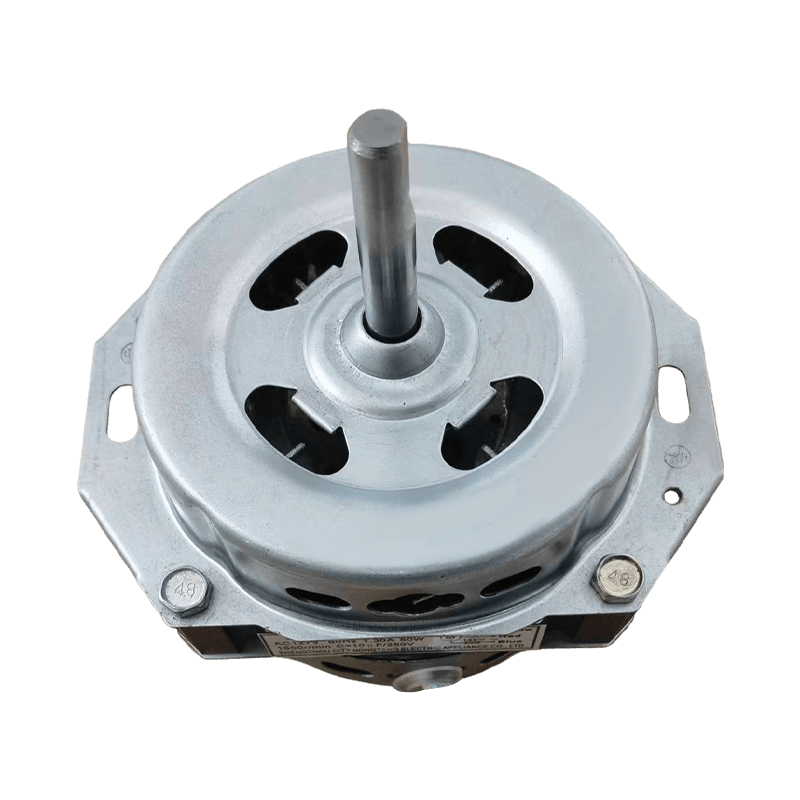
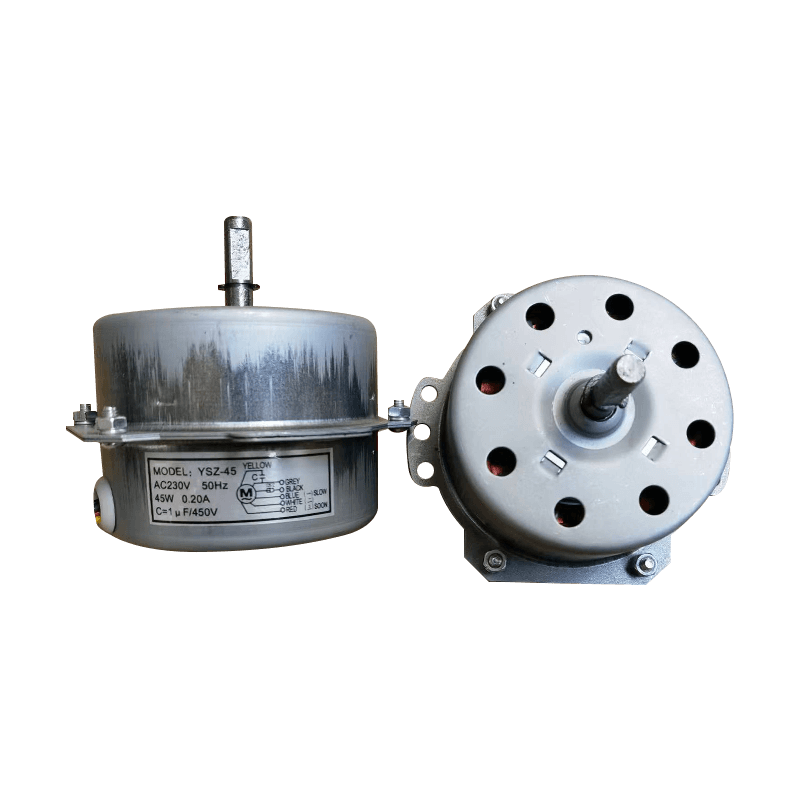
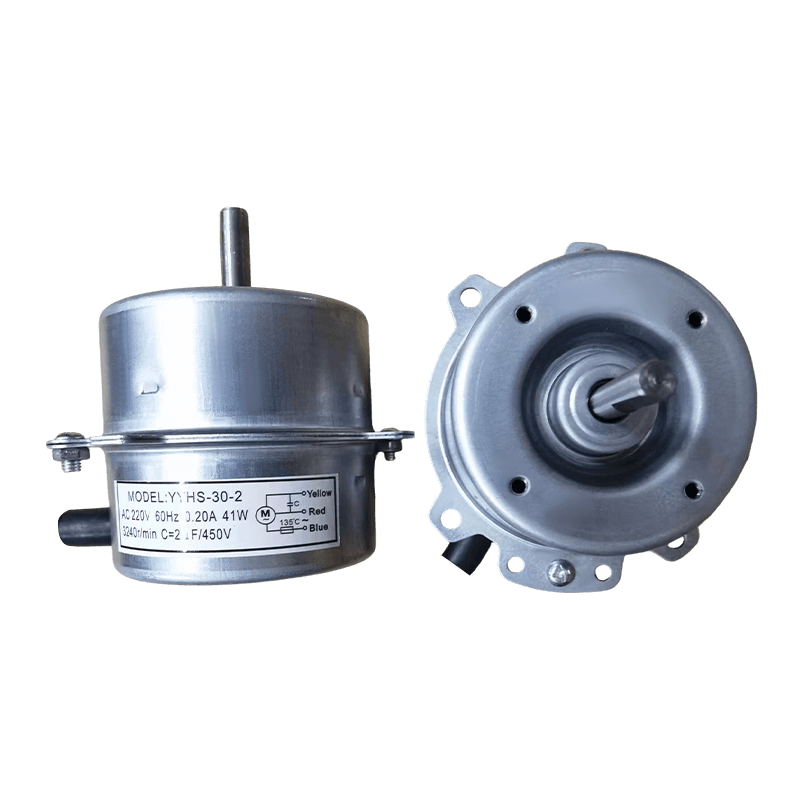
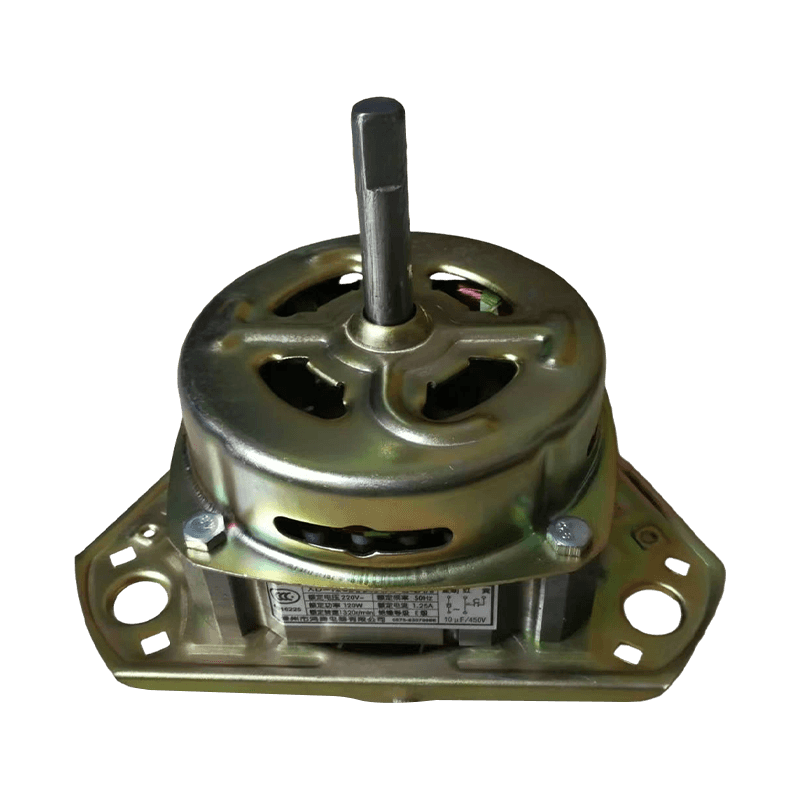
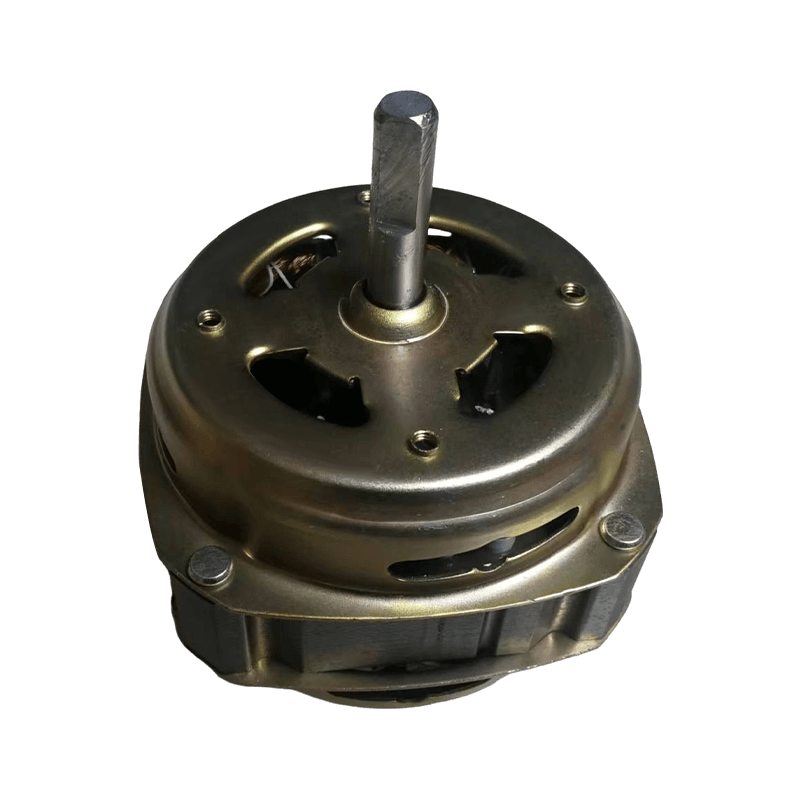
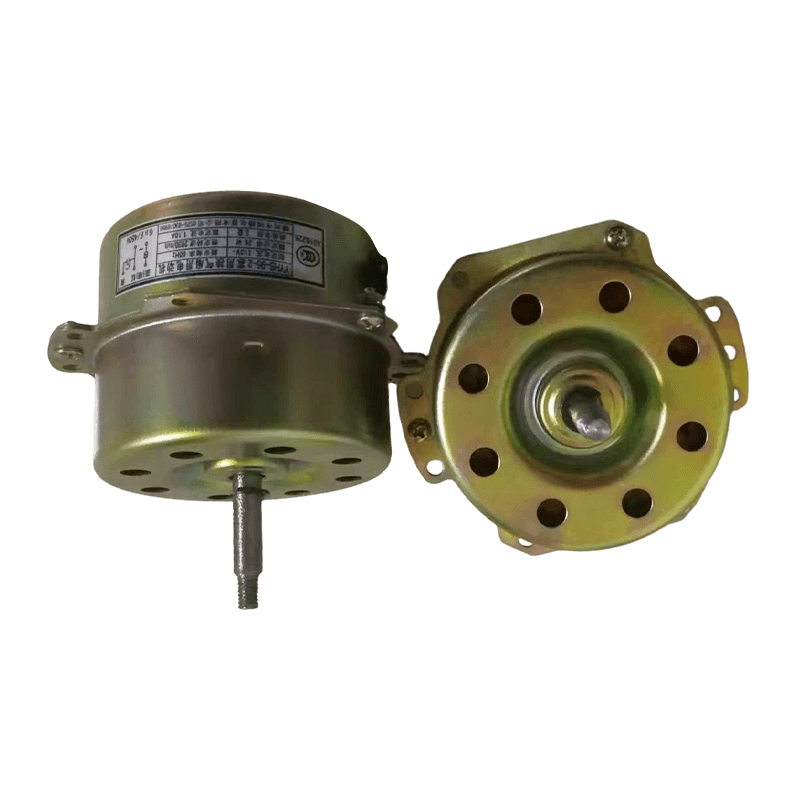
The floor fan AC motor, primarily categorized as an AC asynchronous induction motor, remains the heart of the global ventilation industry. Operating on alternating current directly from the power grid, these motors utilize a simple yet robust design that has been refined over a century of engineering. In today's highly competitive market, despite the aggressive rise of digital brushless alternatives, AC motor floor fans continue to command over 60% of the global market share. This enduring dominance is not merely a result of legacy but a strategic choice by manufacturers who recognize the AC motor as the "ballast stone" of the appliance industry—a component that offers a perfect equilibrium between raw moving power, mechanical longevity, and capital efficiency that DC systems struggle to replicate at scale.
Cost-Effectiveness and Manufacturing Maturity: The primary reason for their dominance is the highly optimized supply chain. Because the manufacturing process for a floor fan AC motor is standardized, the per-unit cost is significantly lower than that of DC counterparts. This cost gap is not just about the motor itself but extends to the simplified housing, the absence of expensive rectifiers, and the lower failure rates during mass production. For budget-conscious consumers in emerging markets, AC motors provide a reliable cooling solution at a fraction of the price of premium BLDC models.
Structural Durability and Environmental Resilience: Unlike DC motors that require complex electronic speed controllers (ESCs) and sensitive permanent magnets, AC motors rely on the fundamental principle of physical induction. This lack of sensitive on-board electronics means they are far less prone to failure in environments plagued by power surges, high humidity, or extreme ambient temperatures. In coastal or tropical regions where salt spray and heat can degrade electronic circuits, the "all-metal" soul of an AC motor ensures a lifespan that often exceeds a decade.
Market Ubiquity and Universal Serviceability: From household pedestal fans to heavy-duty industrial floor fan motor replacement units, the AC motor offers a "plug-and-play" reliability. Because the technology is universal, repairability is a major advantage. A failed capacitor or a worn bearing in an AC motor can be replaced by any local technician using standard parts, whereas a proprietary DC controller failure often renders the entire fan unfixable, forcing the consumer to discard the product.
Understanding how AC motors work in cooling systems requires a deep dive into the foundational principles of electromagnetism and fluid dynamics. These motors serve as the primary prime movers that convert electrical energy into mechanical rotation through a sophisticated process called electromagnetic induction. This method is particularly effective for moving large volumes of air because it provides a "soft" start and a persistent torque curve that is essential for residential, commercial, and industrial ventilation. By manipulating the frequency and phase of the incoming alternating current, modern cooling systems can leverage AC motors to create consistent pressure gradients, ensuring that air is not just "pushed" but effectively circulated to lower ambient temperatures across vast floor areas.
The Induction Process and Magnetic Flux: When alternating current flows through the stator windings, it creates a rotating magnetic field that travels around the stator's inner circumference. This field cuts across the rotor bars, inducing a current in the rotor itself. According to Lenz's Law, this induced current generates its own secondary magnetic field that "chases" the stator's field. This interaction results in the torque required to spin the fan blades, transforming 50Hz or 60Hz grid power directly into mechanical kinetic energy without the need for complex signal conversion.
Torque and Airflow Stability under Load: One of the key advantages of a powerful floor fans' AC motor is its ability to maintain a consistent "slip" rate. As the air resistance increases—perhaps due to a safety grille or a large blade pitch—the AC motor naturally adjusts its slip to generate more torque. This allows the motor to drive large-diameter, high-pitch blades without stalling or over-stressing electronic components, ensuring a steady, unrelenting stream of high-velocity air even in high-static pressure environments.
Thermal Management and Active Airflow Cooling: In a high-performance cooling system, the motor itself must remain within safe thermal limits. Modern AC motors are engineered with internal cooling fins and strategically placed vented housings. By utilizing the very airflow they generate, these motors effectively dissipate heat from the core windings. In 2026 designs, manufacturers have optimized the internal aerodynamics of the motor casing to ensure that a portion of the intake air is swirled directly over the stator, allowing for continuous, 24/7 operation during the most intense summer heatwaves.
As energy regulations tighten toward the middle of the decade, the debate between traditional AC and emerging DC technology has reached a fever pitch. While DC motors are often praised in consumer electronics circles for their superior energy efficiency and silent, low-voltage operation, the floor fan AC motor holds its ground through sheer mechanical power, high-load reliability, and a significantly lower total cost of ownership. This is especially true in industrial floor fan motor replacement scenarios, where fans must operate in high-dust, high-heat environments where raw performance and "unbreakable" circuitry are non-negotiable requirements. The choice between the two often comes down to a trade-off between the precision of digital control and the rugged, time-tested strength of induction-based cooling.
Below is a detailed comparison table optimized for featured snippets:
|
Feature |
Floor Fan AC Motor |
DC Fan Motor (BLDC) |
|---|---|---|
|
Primary Advantage |
High Torque & Rugged Durability |
Energy Efficiency & Low Noise |
|
Ideal Application |
High velocity fan motor / Industrial |
Bedroom / Ultra-Quiet Home Use |
|
Speed Control |
3-5 Fixed Mechanical Steps |
Stepless Digital Regulation |
|
Maintenance |
Minimal (Few Electronic Parts) |
High (Relies on PCB/Sensors) |
|
Initial Cost |
Budget-Friendly |
Premium Pricing |
|
Lifespan |
Excellent in Harsh Environments |
Variable (Limited by Electronics) |
The perception that AC motors are energy-inefficient is a common misconception that requires modern technical context to dispel. While it is true that a DC motor can save up to 70% energy when running at ultra-low speeds, this performance gap narrows significantly when operating powerful floor fans at their maximum velocity or under heavy industrial loads. In the real world, the efficiency of an AC motor is a dynamic variable influenced by winding quality, core materials, and the frequency of the power supply, and recent engineering breakthroughs have brought AC performance much closer to its DC rivals than ever before.
Maximum Velocity Efficiency Curve: At high speeds, the high velocity fan motor using AC technology operates at its peak efficiency point, where the electromagnetic losses are minimized relative to the work being done. For large-scale industrial spaces or warehouses, the marginal energy saved by a DC motor is often dwarfed by the massive initial capital expenditure required to outfit a facility, making the AC motor the more economically efficient choice over a 5-year ROI period.
2026 Energy Standards and Winding Optimization: New global energy regulations like the ERP and DOE mandates have forced a revolution in AC motor design. Modern AC motor floor fans now utilize ultra-thin, high-permeability silicon steel sheets for the stator and rotor cores. This reduces "eddy current" losses—energy that is traditionally wasted as heat—allowing modern AC motors to meet strict "Green Star" ratings that were once thought to be the exclusive domain of DC technology.
Power Factor Correction (PFC) and Grid Harmony: High-end AC motors now integrate sophisticated run capacitors that significantly improve the "Power Factor." By ensuring the voltage and current waveforms are in sync, these motors ensure that the utility grid sees a more efficient "linear" load. For commercial users running dozens of fans simultaneously, this prevents costly reactive power penalties from utility companies and reduces the overall strain on the building's electrical infrastructure.
The rhythmic "humming" or "droning" sound traditionally associated with the floor fan AC motor is a phenomenon primarily rooted in electromagnetic resonance within the motor's core laminations. For decades, this was considered an unavoidable byproduct of induction, but 2026 manufacturing techniques have nearly neutralized this drawback through advanced material science and acoustic engineering. By addressing the noise at its physical source—the vibration of the silicon steel plates—manufacturers can now produce AC fans that compete directly in the premium "silent appliance" category, offering a peaceful environment without sacrificing the power required for effective cooling.
Electromagnetic Resonance and Damping: The 50Hz/60Hz hum occurs when the stator laminations vibrate against each other due to the alternating magnetic field. Modern factories now use "Vacuum Pressure Impregnation" (VPI), where the entire motor core is submerged in a specialized resin under high pressure. This resin fills every microscopic gap between the laminations, effectively turning the motor into a solid, non-resonant block and dampening vibration at its source.
Precision Dynamic Balancing and Vibration Isolation: A significant portion of fan noise comes from mechanical imbalance. Manufacturers now employ laser-guided, computer-aided dynamic balancing for both the rotor and the attached fan blades. By ensuring that the high velocity fan motor rotates with near-zero mechanical oscillation, and by mounting the motor on specialized rubber "silent blocks," the transmission of vibration to the fan's frame is virtually eliminated.
Advanced Bearing Systems and Acoustic Optimization: Friction in the bearings is a major source of high-frequency "hissing." By transitioning from porous sleeve bearings to high-precision, deep-groove ball bearings with specialized acoustic grease, the noise signature of modern AC motor floor fans has been reduced by up to 15 decibels. At low speeds, these fans are now quiet enough for nursery and library environments, challenging the long-held "quiet DC" monopoly.
The control architecture of the floor fan AC motor has undergone a radical transformation, evolving from primitive pull-chains and mechanical sliders to sophisticated electronic interfaces that leverage modern power electronics. This shift in control logic allows traditional induction motors to provide a user experience that is indistinguishable from fully digital systems, offering features like natural breeze simulation and precision timers. By integrating smart switching components, manufacturers have successfully bridged the gap between the raw, unfailing power of AC and the nuanced control requirements of 21st-century smart homes and automated industrial zones.
Tapped Winding Control and Multi-Speed Reliability: The classic 3-speed control operates by switching the power feed between different "taps" on the motor winding. Each tap changes the number of active coils, effectively changing the motor's resistance and speed. This remains the most reliable method for industrial floor fan motor replacement because it involves no sensitive semiconductor switches that can be damaged by electrical noise or heat.
TRIAC Speed Regulation and Waveform Clipping: Modern AC fans often incorporate Silicon Controlled Rectifiers (TRIACs) to "chop" the incoming AC sine wave. By controlling the exact moment the power is delivered during each cycle, these controllers can provide a much wider range of speeds. This technology enables the "Natural Wind" or "Sleep Mode" features found in premium powerful floor fans, simulating the ebb and flow of a real breeze.
Digital Integration and Hybrid Control Modules: Even without a native DC controller, modern AC motors are being paired with microprocessors that use pulse-skip modulation or phase-angle control. This hybrid approach allows the motor to be integrated into smart home ecosystems, providing a user experience that balances the raw, unfailing power of AC with the digital precision and remote-control convenience of DC systems.
When evaluating the quality and expected service life of a floor fan AC motor, the single most critical factor is the material composition of its internal windings. The windings are the "veins" of the motor, responsible for carrying the current that generates the magnetic field. In a market where cost-cutting often leads to the use of inferior alloys, understanding the thermal and electrical implications of different winding materials is essential for any procurement professional or consumer. A motor's ability to resist "thermal aging"—the gradual breakdown of insulation due to heat—is what separates a ten-year appliance from a one-season disposable product.
The Gold Standard: 100% Pure Oxygen-Free Copper: Copper is the undisputed king of motor windings due to its superior electrical conductivity and thermal properties. A high velocity fan motor with pure copper windings generates 20-30% less heat than its aluminum counterparts. This lower operating temperature means the insulation stays intact for decades, making copper the only viable choice for high-duty industrial floor fan motor replacement units that operate in punishing conditions.
The Economy Trap: Copper-Clad Aluminum (CCA): CCA is a deceptive material where an aluminum core is thinly coated in copper. While it significantly reduces the cost and weight of the motor, it suffers from high electrical resistance. This causes the AC motor floor fans to run significantly hotter, leading to accelerated insulation breakdown and a much higher risk of "thermal runaway" or motor fires if the fan's rotation is ever obstructed by dust or debris.
Weight and Thermal Mass as Quality Indicators: One of the most reliable field-tests for motor quality is its physical weight. Copper is nearly 3.3 times denser than aluminum. Therefore, a heavier powerful floor fans motor usually indicates a higher density of copper windings and a more substantial silicon steel core. This extra thermal mass allows the motor to absorb sudden heat spikes and maintain a stable operating temperature, even during extended periods of high-speed use.
The longevity of a floor fan AC motor is not just about its electrical integrity, but also its mechanical friction management. The bearing system serves as the primary interface between the stationary motor body and the high-speed rotating shaft, making it a critical point of potential failure. Whether a fan operates smoothly for years or develops a loud, grinding seize within months depends almost entirely on the quality of the bearings and the chemistry of the lubricant used inside them. In the high-velocity world of ventilation, friction is the enemy of both efficiency and durability, and modern bearing technology is the only weapon that can defeat it.
Sleeve Bearings vs. Dual Ball Bearing Systems: Traditional sleeve bearings rely on a thin film of oil within a porous bronze bush. While quiet initially, they are prone to drying out and seizing. For any serious industrial floor fan motor replacement, dual-shielded ball bearings are essential. They offer a much higher mechanical load capacity and can handle the axial thrust generated by high-pitch blades without developing the "grinding" noise common in cheaper units.
2026 Synthetic Lubrication and Nanotechnology: The "life-blood" of any bearing is its lubricant. Modern high-end motors are now utilizing perfluoropolyether (PFPE) and nano-ceramic additives in their grease. These advanced lubricants do not oxidize or evaporate even at temperatures exceeding 100°C, ensuring that the high velocity fan motor remains virtually maintenance-free for over 20,000 hours of operation—roughly 10 years of typical seasonal use.
Dust Protection Seals and Environmental Gasketing: Ambient dust is the primary "motor killer" in workshops and construction sites. Premium AC motor floor fans now feature double-lip contact seals on the bearings and GORE-Tex style breathable gaskets on the motor housing. These features allow the motor to "breathe" as it heats and cools while preventing microscopic grit from entering the bearing raceways, ensuring longevity in the harshest environments.
Safety is the absolute priority when designing and operating high-wattage powerful floor fans, and the thermal management system within an AC motor acts as the final, fail-safe barrier against catastrophic electrical failure. Because a stalled or overloaded motor can rapidly turn electrical energy into destructive heat, multiple layers of protection must be embedded directly into the motor's architecture. These systems are designed to detect abnormal temperature spikes before they can melt the wire insulation or ignite the plastic fan housing, providing a level of "invisible security" that is essential for household and industrial fire prevention.
The Redundant Thermal Fuse System: Every safety-certified floor fan AC motor must include a thermal-link fuse buried deep within the stator windings. Unlike a standard circuit breaker, this fuse is sensitive to the internal temperature of the coils. If a malfunction causes the windings to reach a critical limit (typically 145°C), the fuse melts and permanently cuts power, preventing the motor from becoming an ignition source in the home or factory.
Class F and Class H High-Temperature Insulation: The varnish and tape used to insulate the motor coils are rated by "Class." While standard fans use Class B (130°C), modern industrial-grade industrial floor fan motor replacement units have moved to Class F (155°C) or even Class H (180°C). This allows the motor to operate safely in non-ventilated enclosures or extreme climates where ambient temperatures might already be near 40°C, providing a massive safety margin for the end-user.
Automatic Thermal Overload Protectors (TOP): In addition to the one-time fuse, many premium AC motor floor fans now include a "self-resetting" bi-metallic strip. This "TOP" device will temporarily cut power if the motor is working too hard—perhaps due to a clogged grille—and will automatically restore power once the motor has cooled to a safe level. This prevents the "permanent death" of the fan from minor, fixable overheating issues.
When a floor fan AC motor begins to emit a metallic, acrid burning smell or becomes too hot to touch on its outer casing, it is an urgent "SOS" signal from the hardware that requires immediate diagnostic action. These symptoms are almost never random; they are the result of physical or electrical stressors that have pushed the motor beyond its design limits. Ignoring these warning signs can lead to a complete winding meltdown or, in worst-case scenarios, an electrical fire. Understanding the root causes of motor heat—from mechanical drag to voltage fluctuations—is the first step in successful preventative maintenance and long-term equipment preservation.
Physical Obstruction and Mechanical Overload: The most frequent cause of overheating in powerful floor fans is the accumulation of hair, pet fur, or lint around the motor shaft. This debris creates massive friction, forcing the motor to draw excess current to overcome the drag. If not cleaned, this leads to "stalled rotor" conditions, which can destroy the motor's insulation in a matter of hours.
Degraded Winding Insulation and Inter-turn Shorts: As a motor ages, the enamel coating on the copper wires can become brittle and crack. This leads to microscopic short circuits within the coils. The resulting "hot spots" produce a distinct ozone smell and cause the high velocity fan motor to lose power and vibrate excessively, indicating that the unit is reaching the end of its safe operational life and requires replacement.
Input Voltage Irregularities and Brownout Damage: Running AC motor floor fans on a sagging power grid (undervoltage) is a silent killer. When the voltage drops, the motor cannot reach its design speed, causing it to stay in the high-current "inrush" phase indefinitely. This overheats the windings from the inside out, often before the user even notices a change in the fan's speed or sound.
One of the most common yet misunderstood issues with the floor fan AC motor is a failure to start from a dead stop, often accompanied by a low-frequency hum. While a user might assume the motor itself is "burned out," the culprit is almost always the starter capacitor—a small but vital component that provides the electrical "kick" needed to initiate rotation. Replacing a capacitor is a simple, cost-effective repair that can save a high-quality fan from the landfill. However, it requires a precise understanding of electrical specifications and safety protocols to ensure that the "repaired" motor operates safely and efficiently for another several years.
The Electrolytic Decay of the Start Capacitor: AC induction motors cannot start on their own from a dead stop; they need a "phase shift" to create a directional push. This is the job of the capacitor. Over 5-7 years, the electrolyte inside these components dries out. When a capacitor loses just 20% of its microfarad (µF) rating, the motor will no longer have enough torque to overcome its own internal friction and start the blades.
Precision Sizing and Voltage Safety Margins: When replacing a capacitor during an industrial floor fan motor replacement, "close enough" is not good enough. You must match the µF rating exactly (e.g., 1.5µF). Using a larger capacitor will force too much current through the start-winding, potentially burning it out. Furthermore, always select a replacement with a voltage rating (e.g., 450VAC) equal to or higher than the original to ensure a safe operational buffer against grid spikes.
Safe Discharge Protocols and Handling: Capacitors are energy storage devices and can deliver a painful or dangerous shock even weeks after the fan has been unplugged. Before servicing your powerful floor fans, always use a resistor or an insulated-handle screwdriver to safely bridge the terminals and discharge any residual energy, ensuring a safe repair process.
The long-term reliability of AC motor floor fans is largely determined by how they are treated during their "off-season." Most motors that fail in early summer are victims of neglect during the winter months, where dust, humidity, and lubricant migration can conspire to seize the internal components. A proactive maintenance routine—focused on deep cleaning and precision lubrication—can effectively double the service life of an induction motor. By spending just a few minutes each year on basic mechanical hygiene, users can ensure that their high velocity fan motor remains as powerful and quiet as the day it was unboxed.
Comprehensive Air-Flow Path Cleaning: Use a vacuum or compressed air to aggressively remove dust from the motor's ventilation slots. Dust acts as a thermal blanket; a clogged motor runs 10-15 degrees hotter than a clean one. For floor fan AC motor units used in garages, this cleaning should be performed monthly to prevent "dust-caking" inside the stator.
Shaft Lubrication and Oil Selection: Many older AC motors have small oiling holes or felt wicks. Adding 2-3 drops of a high-quality, non-detergent SAE 20 machine oil (often sold as "3-in-1 Blue Label") can prevent the shaft from seizing. Never use WD-40 or penetrating oils for lubrication, as they are solvents that will strip away the existing grease and actually accelerate the eventual seizure of the high velocity fan motor.
Vertical Storage and Environmental Control: Always store your fans in an upright position. Storing a fan on its side can cause the lubricant in the bearings to migrate away from the contact surfaces. Additionally, wrapping the motor head in a plastic bag during the winter prevents moisture from the air from condensing on the silicon steel plates, which would otherwise cause rust and "freezing" of the rotor by the time spring arrives.
While DC motors are often marketed as the exclusive choice for "smart" homes, the floor fan AC motor has proven remarkably adaptable to the AIoT (Artificial Intelligence of Things) era. By serving as a reliable "analog" power plant that can be controlled by sophisticated "digital" gatekeepers, AC motors offer a more robust and modular smart cooling solution. In 2026, the intelligence of a fan is no longer defined by the motor's drive type, but by the connectivity and sensory feedback loops integrated into its control housing, allowing traditional induction fans to participate fully in automated, energy-aware ecosystems.
Universal Compatibility with Smart Power Logic: Because AC motor floor fans are simple "load" devices, they are inherently compatible with every smart plug and home automation relay on the market. Unlike complex DC fans that might not restart after a power cut, an AC fan with a mechanical switch can be automated via Zigbee, Z-Wave, or Matter protocols to respond to humidity sensors or geolocation triggers with 100% reliability.
Sensor-Driven Edge Computing in 2026 Models: The latest generation of high velocity fan motor units now includes integrated "Smart Boards" that monitor the motor's health in real-time. These boards use current-sensing technology to detect if a bearing is starting to wear out or if the motor is drawing too much power due to a clogged filter, sending a "Maintenance Required" notification to the user's smartphone before a total failure occurs.
Advanced TRIAC Dimming and Voice Control: Through the integration of Wi-Fi-enabled TRIAC controllers, the speed of a powerful floor fans can now be adjusted via voice commands (e.g., "Alexa, set the fan to 45%"). This provides the granular control of a DC fan while maintaining the heavy-duty power and low purchase price of the AC motor, offering the best of both worlds for the modern smart home.
In an era increasingly defined by "planned obsolescence" and complex e-waste, the fundamental sustainability of the floor fan AC motor is becoming its most significant environmental asset. Unlike modern digital electronics that are often bonded and glued into unrecyclable "bricks," the induction motor is a masterclass in modular, mechanical design. Its construction from high-purity industrial metals makes it a perfect fit for the "Circular Economy," where materials are not discarded but returned to the production cycle. By prioritizing the use of AC motors, the ventilation industry can significantly reduce its environmental footprint while providing products that are truly "built to last."
Superior Post-Consumer Metal Recovery: An AC motor is a treasure-trove of high-value industrial materials. Unlike DC motors, which contain rare-earth magnets (difficult and toxic to refine) and complex PCBs with brominated flame retardants, an industrial floor fan motor replacement unit consists of pure copper, high-grade silicon steel, and aluminum. These materials have a well-established global recycling market, with nearly 98% of the motor's mass being recoverable.
Eco-Design and Modular Disassembly: Forward-thinking manufacturers are now adopting "Cradle-to-Cradle" certification for AC motor floor fans. By replacing permanent rivets with standardized screws and using non-toxic water-based varnishes, they have made it possible for a recycling center to fully disassemble a motor in under 60 seconds. This drastically lowers the "energy cost" of recycling and ensures that the copper and steel can be returned to the production cycle with minimal loss.
Life-Cycle Carbon Footprint Advantages: When analyzing the total carbon footprint, the longevity of the floor fan AC motor is its greatest environmental asset. A single high-quality AC fan that lasts 20 years replaces the production, shipping, and disposal energy of 4 or 5 cheap "planned obsolescence" units. In the long run, the most sustainable product is the one you never have to replace, solidifying the AC motor's role as a cornerstone of sustainable consumerism in 2026 and beyond.
International Electrotechnical Commission (IEC). IEC 60335-2-80: Household and similar electrical appliances - Safety - Part 2-80: Particular requirements for fans. 2024 Edition.
American Society of Heating, Refrigerating and Air-Conditioning Engineers (ASHRAE). Standard 55-2023: Thermal Environmental Conditions for Human Occupancy.
Fitzgerald, A. E., Kingsley, C., & Umans, S. D. Electric Machinery. 7th Edition, McGraw-Hill Education. (Fundamentals of Induction Motors).
U.S. Department of Energy (DOE). Energy Conservation Program: Test Procedures for Ceiling Fans and Residential Ventilation Fans. Federal Register 10 CFR Part 430.
Smith, J. R., & Henein, N. A. Acoustic Analysis of Small Induction Motors in Domestic Appliances. Journal of Sound and Vibration, 2025 Volume.
Copper Development Association (CDA). Comparative Analysis of Copper vs. Aluminum Windings in Small-Scale Electric Motors. Technical Report Series.
IEEE Industry Applications Society. Reliability and Failure Analysis of Single-Phase Induction Motors in Consumer Electronics. IEEE Transactions on Industry Applications, 2026 Review.
Global Efficiency Intelligence. Industrial Fan Motor Efficiency: Global Trends and Policy Frameworks. 2025 Industry Report.
Recommended Products

Contact Us
+86 0575 83078988
+86 13605855838
+86 17769850789
13605855838
No. 20, Zhiye Road, Changle Town, Shengzhou City, Shaoxing City, Zhejiang Province
Contact Us
 Custom Mini AC Motor Manufacturers