English
 中文简体
中文简体

Quick Product Search
Contact us to learn how we can use our expertise to bring you high-quality products.
2026-05-15
In modern domestic life, the popularity of smart home appliances has significantly improved the quality of life. From high-speed washing machines and powerful vacuum cleaners to refrigerators and air conditioners, the core component behind these devices is the electric motor. This article explores the classification of Home Appliance Motors from a professional technical perspective, focusing on the technical characteristics, troubleshooting solutions, and parameter comparisons of Home Appliance AC Motors.
The types of motors used in the appliance industry are diverse. Based on power supply, control methods, and application scenarios, Home Appliance Motors form a vast technical family.
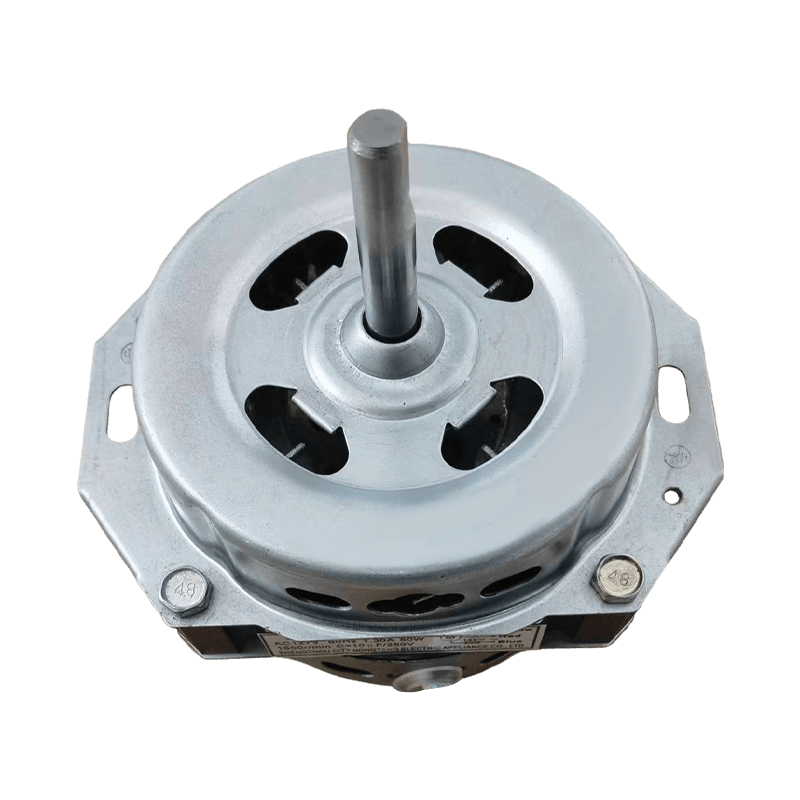
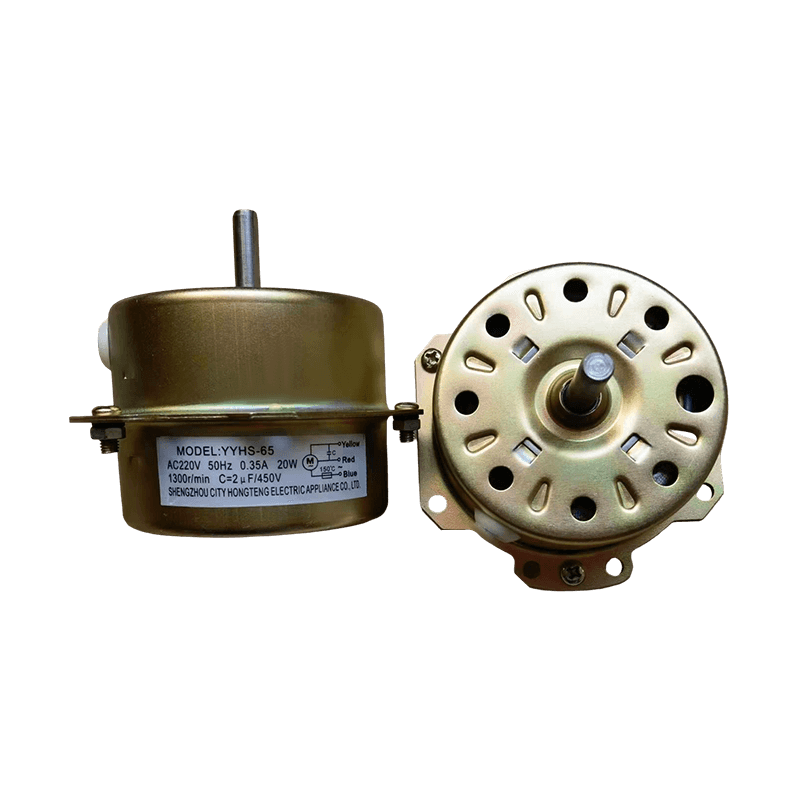
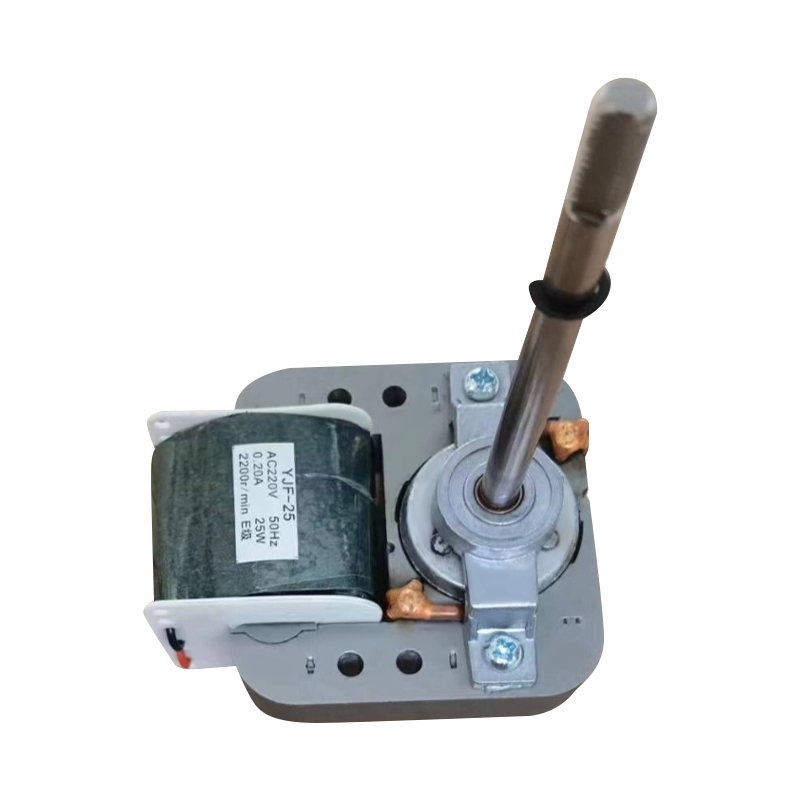
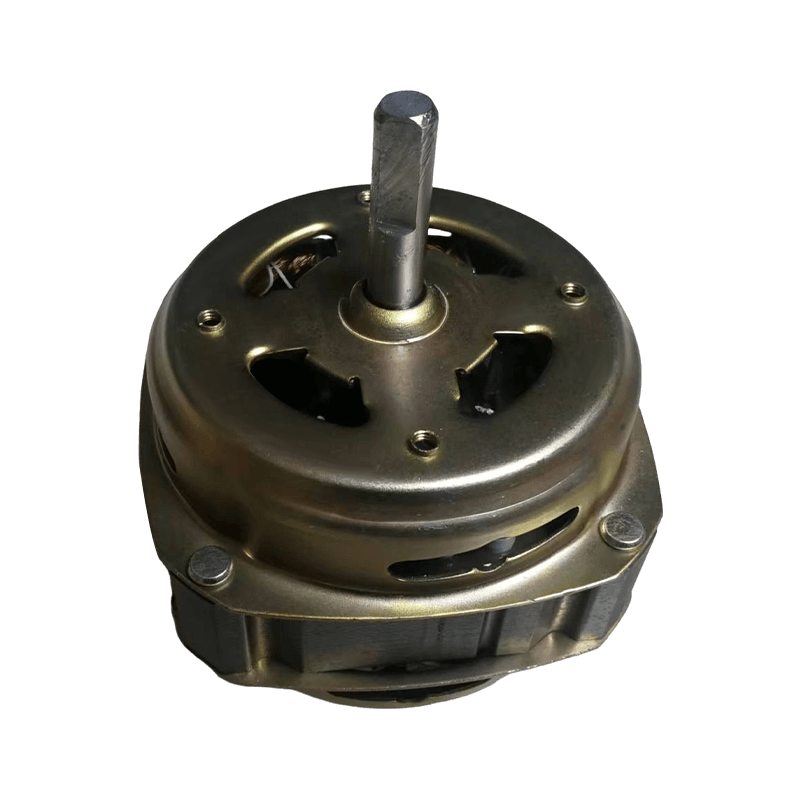
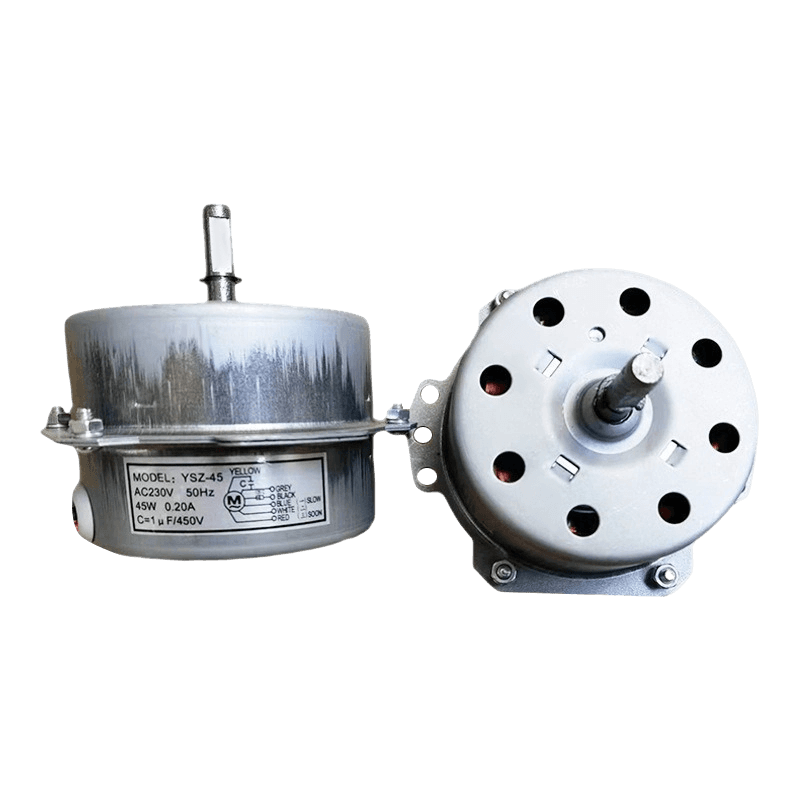
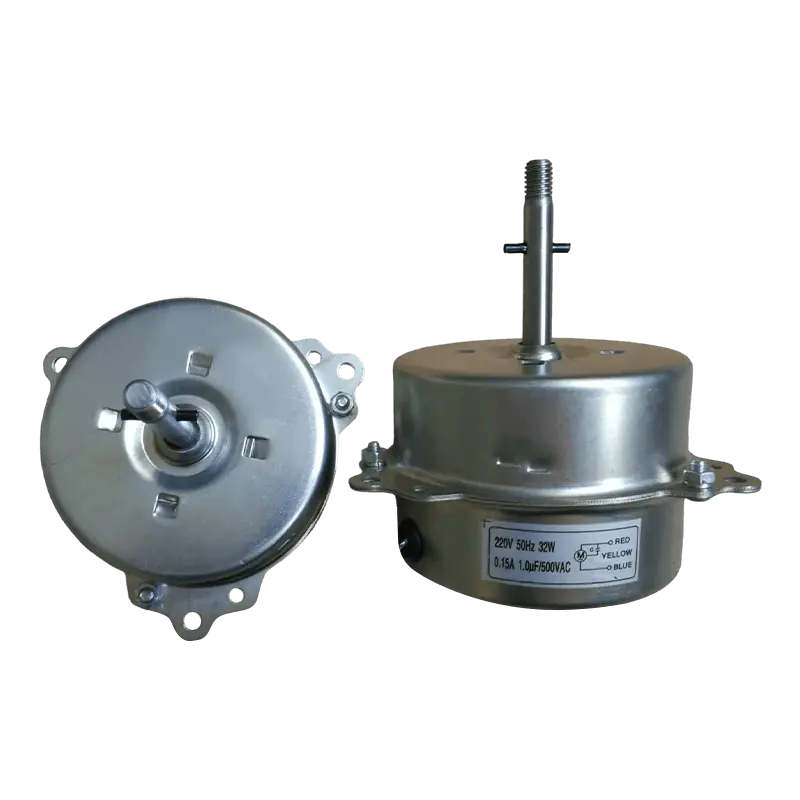
As a classic representative of Home Appliance AC Motors, AC induction motors are widely used in appliances where extreme speed control is not critical due to their simple structure and reliability. Examples include traditional washing machines, exhaust fans, and fixed-frequency refrigerator compressors.
These motors can operate on both AC and DC power, featuring high starting torque and extremely high speeds. They are widely used in Home Appliance Motors scenarios requiring high power density, such as vacuum cleaners, food processors, and hair dryers.
With rising energy-saving standards, the share of BLDC motors in high-end appliances has increased. By replacing mechanical brushes with electronic commutation, they offer high efficiency, low noise, and long life, making them the first choice for modern high-end appliances like inverter air conditioners.
Among various driving solutions, Home Appliance AC Motors still occupy a major portion of the market due to their industrial aesthetics and technical maturity.
Standard Home Appliance AC Motors consist of a stator and a rotor. Because they eliminate wear-prone carbon brushes, mechanical friction loss is extremely low. This "brushless" physical structure allows AC motors to demonstrate high durability during long-term continuous operation, meeting the 10-year lifespan requirement of home appliances.
High-quality Home Appliance AC Motors optimize the stator winding slot coordination and use skewed rotor technology during design. This effectively weakens the electromagnetic excitation force caused by high-order harmonics, reducing electromagnetic noise. Without brush friction sparks, AC motors possess excellent EMC, preventing signal interference with internal microcomputer control boards.
The following table lists the core technical parameters of mainstream Home Appliance Motors to assist in precise decision-making:
| Performance Indicator | Home Appliance AC Motors (Single-phase Induction) | Universal Motors | BLDC Motors |
| Voltage Range | 110V / 220V AC (50/60Hz) | 110V / 220V AC/DC | 12V - 310V DC (with driver) |
| Rated Speed (RPM) | 1400 - 2800 | 8000 - 35000 | 500 - 15000 (Wide range) |
| Starting Torque | Medium | Very High | High |
| Efficiency | 60% - 75% | 55% - 70% | 85% - 95% |
| Noise Level | Low | High | Very Low |
| Typical Application | Fans, Dishwasher pumps | Vacuum cleaners, Blenders | Inverter AC, Washing machines |
During long-term operation, Home Appliance Motors may fail due to humidity, voltage fluctuations, or overload. Accurate diagnosis is key to maintaining product satisfaction.
This often occurs in single-phase Home Appliance AC Motors.
Analysis: Single-phase AC cannot generate a rotating magnetic field and relies on a starting capacitor. If the capacitor capacity decays, the motor lacks starting torque.
Solution: Measure capacitor capacity with a multimeter. If it is below 90% of the nominal value, replace it with a capacitor of the same specification.
Analysis: Insulation classes (like Class B or F) determine the maximum temperature. Blocked air ducts, heavy loads, or inter-turn short circuits in Home Appliance Motors windings cause current increases and rapid heat rise.
Solution: Clean the heat dissipation channels and test if the working current exceeds the rated value. If current is normal but heat is high, the winding insulation may be aging.
Analysis: In high-performance Home Appliance Motors, the bearing is the only mechanical wear part. Grease drying or foreign matter intrusion leads to pitting or peeling of the bearing raceway.
Solution: Use a professional puller to remove old bearings and replace them with high-precision deep groove ball bearings (such as those with double-sided dust covers).
Whether selecting Home Appliance AC Motors or other types of Home Appliance Motors, performance depends on system integration. By matching the load-speed curve and ensuring the motor operates within its optimal efficiency range, overall energy efficiency can be improved. This aligns with strict global energy regulations and provides end-users with a quiet, power-saving, and durable experience.
Recommended Products

Contact Us
+86 0575 83078988
+86 13605855838
+86 17769850789
13605855838
No. 20, Zhiye Road, Changle Town, Shengzhou City, Shaoxing City, Zhejiang Province
Contact Us
 Custom Mini AC Motor Manufacturers