English
 中文简体
中文简体

Quick Product Search
Contact us to learn how we can use our expertise to bring you high-quality products.
2026-05-22
In the field of modern industrial manufacturing and intelligent hardware development, the stability and efficiency of micro-power drive systems determine the core competitiveness of end products. Whether it is the stepping control of precision instruments or the continuous transmission of micro-conveying systems, small electric motor and mini AC motor play an irreplaceable role. For purchasing engineers and R&D personnel, a deep understanding of the technical parameters, internal structures, and application scenarios of these two electric motors is the key to optimizing equipment performance and extending product lifespan.
As a widely covered class of micro-drive sources, the design core of small electric motor lies in providing high power density and precise torque output within a limited space. These motors usually use NdFeB permanent magnet materials with high magnetic energy product to ensure that high starting torque can still be burst under low voltage input.
During the selection process, technical personnel need to focus on several core parameters:
Rated voltage and current: Directly determines the configuration and power consumption control of the power supply system.
No-load speed and load speed: Reflects the speed stability of the motor under different working states.
Stall Torque: This is a key indicator for evaluating the load limit and anti-overload capability of the motor.
High-quality small electric motor will adopt high-purity oxygen-free copper windings and high-precision ball bearings in structural design. This configuration can effectively reduce internal resistance and heat generation, and control mechanical noise below 45dB. For application scenarios that require frequent start-stop or high-speed forward and reverse rotation, the dynamic response time of micro DC motors or brushless motors can usually reach the millisecond level, ensuring the accuracy of the execution mechanism.
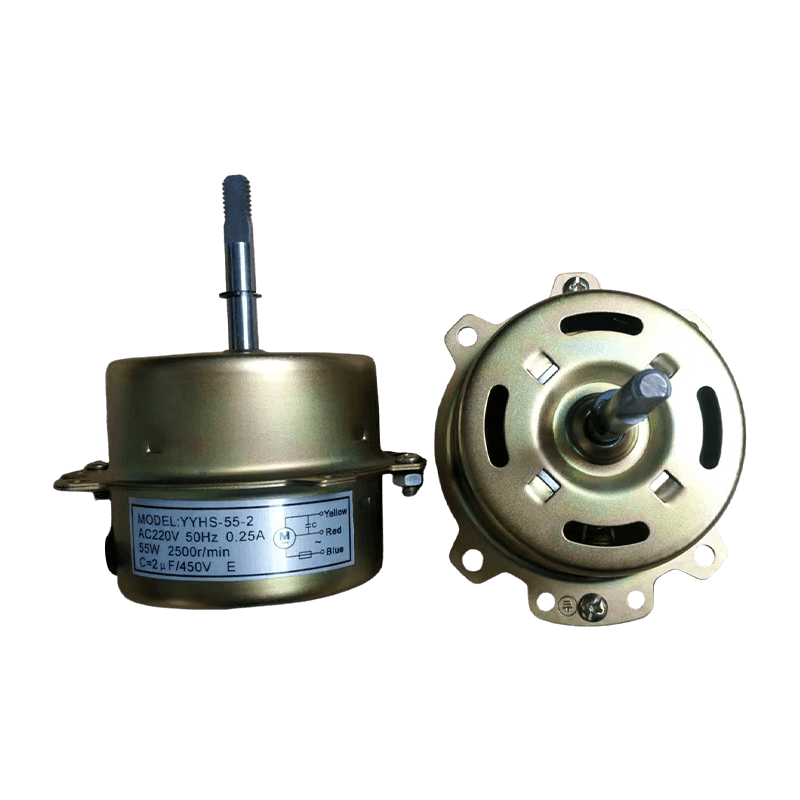
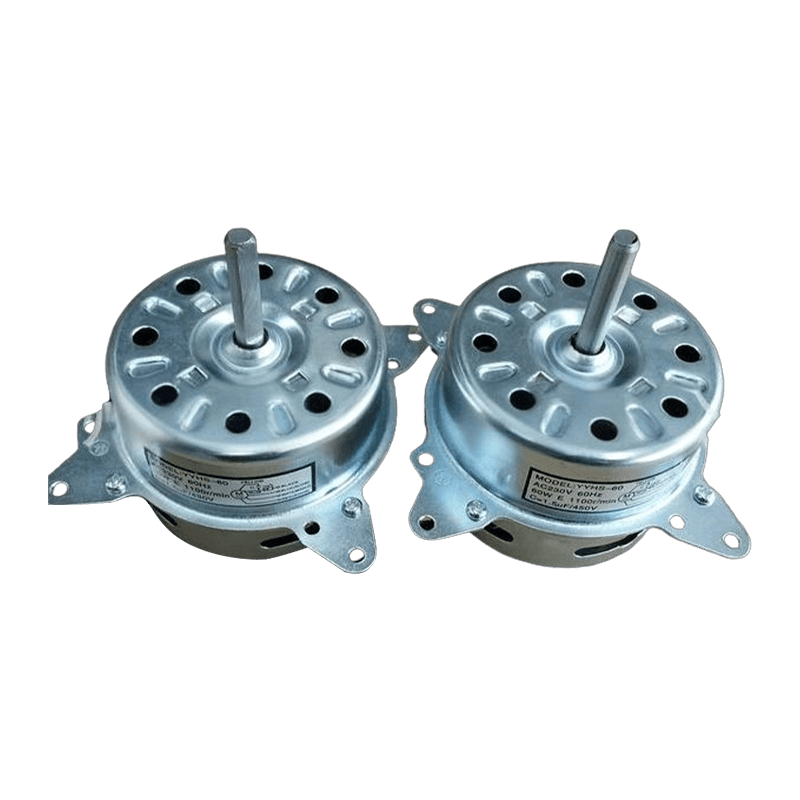
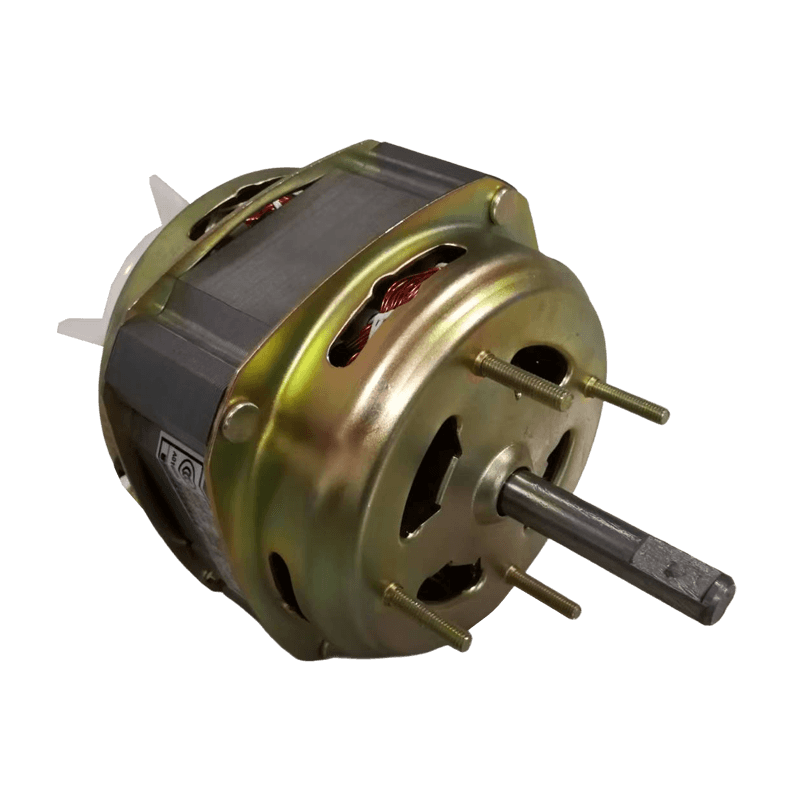
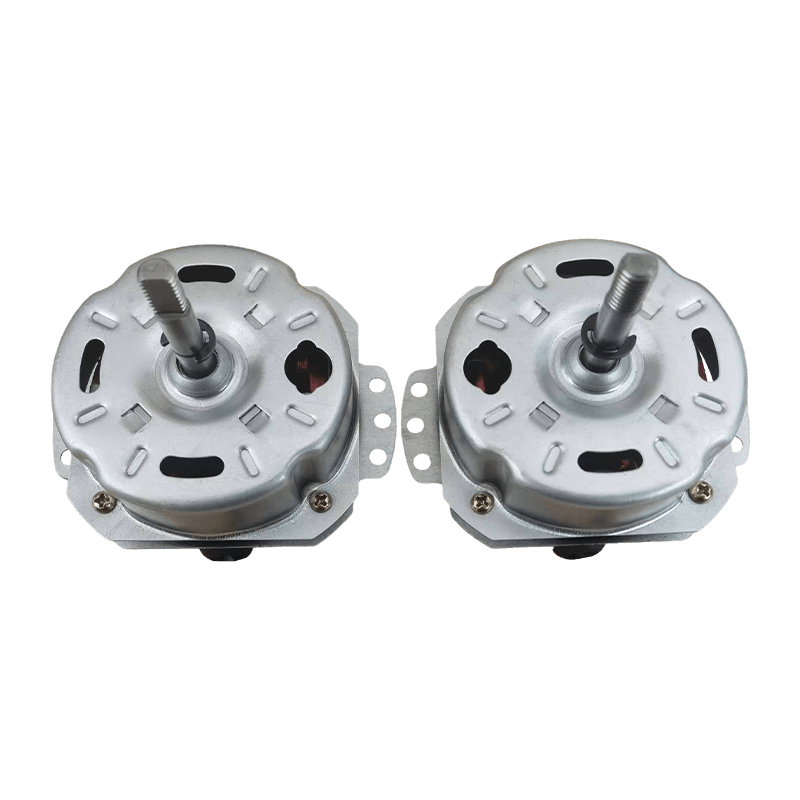
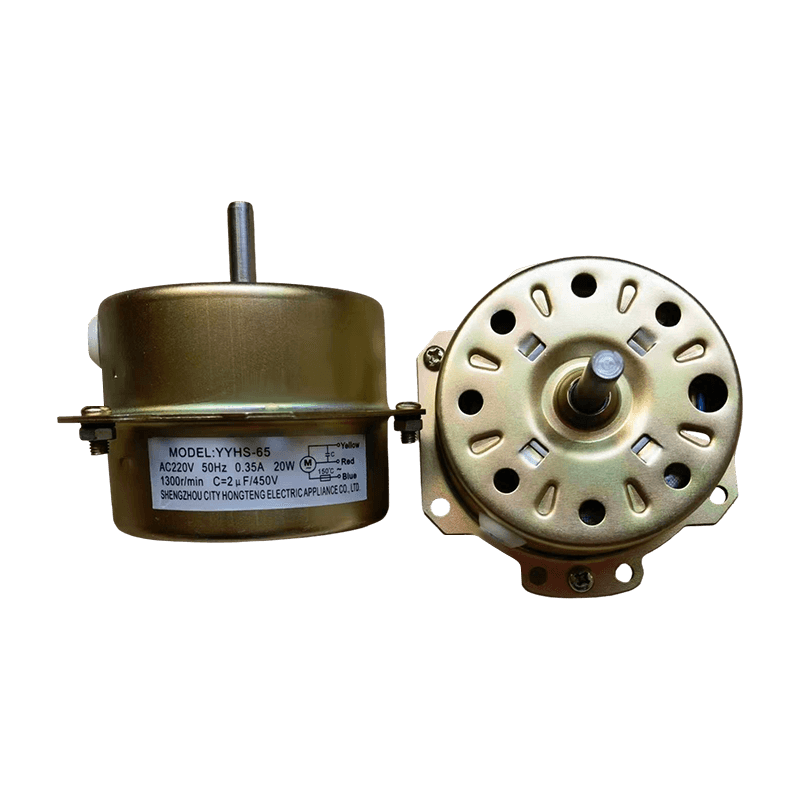
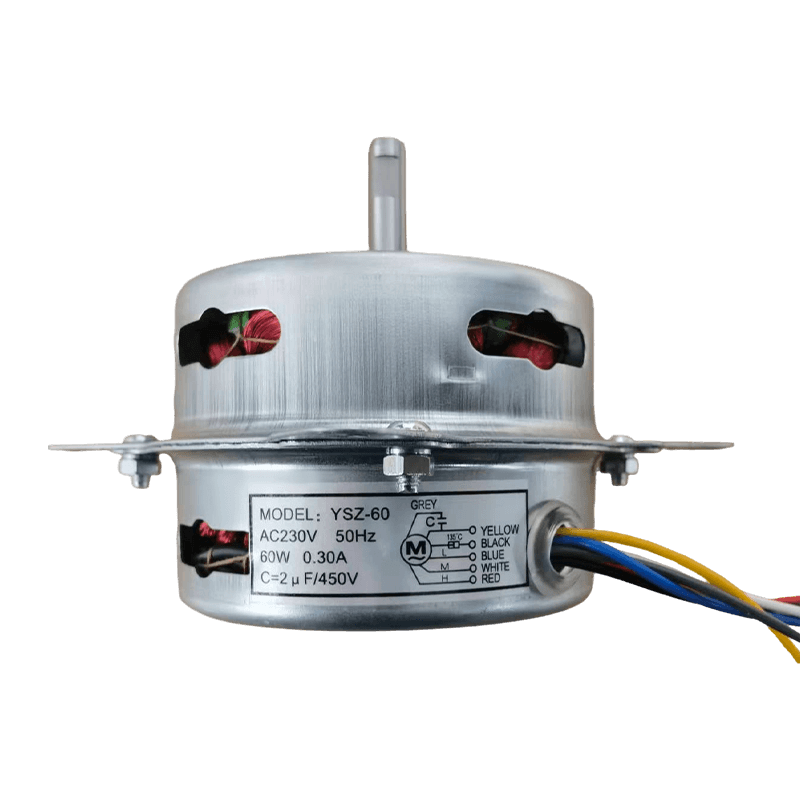
Unlike DC drives, mini AC motor mainly relies on the frequency of AC power and the number of pole pairs to determine the rotational speed. This type of motor is widely used in industrial assembly lines, constant-speed mixing equipment, and valve control systems. Its biggest advantage lies in its relatively simple structure and no carbon brush wear, thus possessing an extremely long operating life and extremely low maintenance costs.
The mini AC motor is generally divided into synchronous motors and asynchronous (induction) motors. In micro-designs, the insulation grade of the stator winding usually needs to reach Class B or Class F standards to withstand the temperature rise caused by long-term continuous operation. Due to the stability of the AC power supply, mini AC motor can still maintain a relatively constant output speed when facing slight fluctuations in grid voltage. In addition, when used with a precision gearbox, mini AC motor can output extremely high continuous torque, making it very suitable for industrial environments that require long-term uninterrupted operation.
In order to facilitate engineering personnel to perform technical assessments in the early stages of design, the following lists the comparison of key technical parameters between a typical high-quality small electric motor and a standard mini AC motor. These data are based on standard industrial testing environments:
| Parameter Indicators | Typical small electric motor (DC/Brushless Type) | Typical mini AC motor (Single-Phase/Three-Phase AC Type) |
| Input Power Supply | DC (such as 12V, 24V, 48V) | AC (such as 110V, 220V, 380V) |
| Speed Range | 1000 rpm - 20000 rpm (Wide speed control range) | 1200 rpm - 3000 rpm (Limited by power frequency) |
| Speed Control Method | PWM (Pulse Width Modulation) or voltage adjustment | VFD (Variable Frequency Drive) or pole number adjustment |
| Starting Torque | Extremely high, suitable for instant transient response | Medium, can be enhanced by starting capacitor |
| Continuous Operating Life | Depends on brush life (Brushless type can reach 20000 hours) | Extremely long (Limited by bearing life, usually exceeding 30000 hours) |
| Maintenance Requirements | Brushed type requires regular inspection, brushless type is maintenance-free | Basically maintenance-free |
| Typical Applications | Robot joints, precision medical instruments, portable power tools | Small conveyor belts, packaging machinery, automated valve drives |
In practical applications, whether using small electric motor or mini AC motor, heat generation (temperature rise) and efficiency loss are pain points that technical personnel often encounter. Overheating of the motor will lead to demagnetization of the magnets and aging of the winding insulation layer, thereby triggering short-circuit faults.
To solve this problem, torque matching must be achieved first. The safety margin during selection should usually be maintained at 1.2 to 1.5 times the actual load torque. Secondly, reasonable heat dissipation design is crucial. In a high-density installation environment, using the metal casing for heat conduction or adding forced air cooling channels can significantly reduce the motor surface temperature.
For mini AC motor, the matching accuracy of the running capacitor directly affects the heat generation of the motor. Excessive or insufficient capacitor capacity will cause the winding current to increase abnormally, so it must be configured strictly according to the specification sheet. For small electric motor, the adjustment of the current loop parameters of the controller driver is equally critical. The optimized current waveform can effectively reduce harmonic losses and fundamentally suppress the generation of useless heat.
By strictly controlling the manufacturing process, adopting silicon steel sheet cold rolling technology and fully automatic winding technology, the iron loss and copper loss performance of the motor can be significantly improved. Understanding these underlying technical details helps to avoid potential system risks in the early stages of equipment R&D and ensure the long-term stable output of the power system.
Recommended Products

Contact Us
+86 0575 83078988
+86 13605855838
+86 17769850789
13605855838
No. 20, Zhiye Road, Changle Town, Shengzhou City, Shaoxing City, Zhejiang Province
Contact Us
 Custom Mini AC Motor Manufacturers