English
 中文简体
中文简体

Quick Product Search
Contact us to learn how we can use our expertise to bring you high-quality products.
2026-03-13
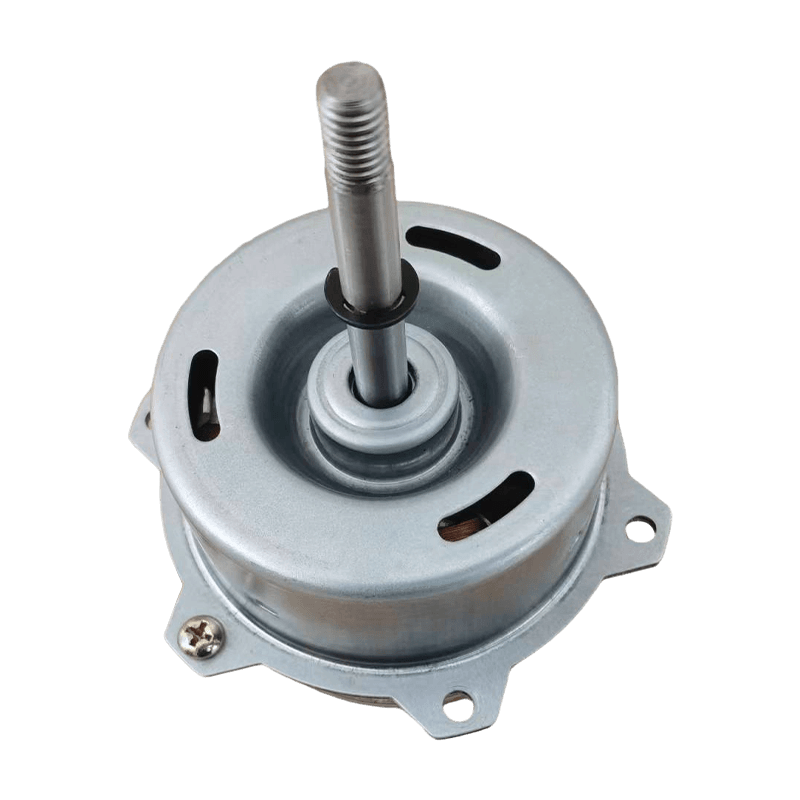
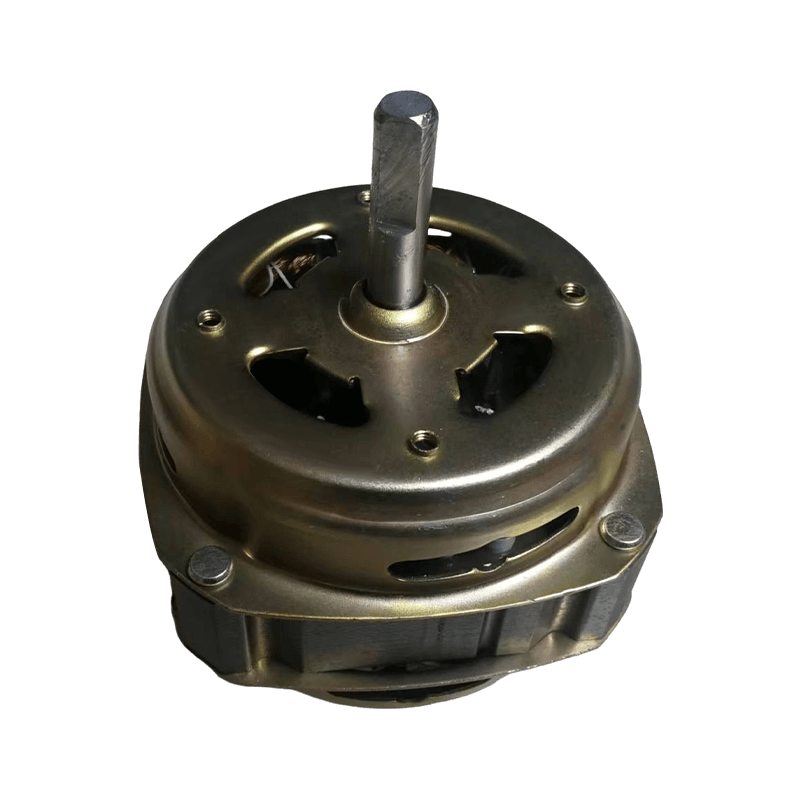
In the hardware facilities of modern commercial and industrial buildings, the Electric Hand Dryer Motor is recognized as the most core component of the entire machine. It not only determines the drying speed but also directly affects the noise level, energy efficiency, and overall service life of the device. For managers of high-traffic venues such as factories, shopping malls, or airports, understanding the performance parameters of the Electric Hand Dryer Motor is key to ensuring low-cost and high-efficiency facility operations.
Defining the Core Component
An Electric Hand Dryer Motor is essentially an energy conversion device that converts electrical energy into high-speed kinetic energy, driving an impeller to produce compressed air. A high-quality Electric Hand Dryer Motor must be able to reach its rated speed in a very short time (usually within 1 second) and maintain high-frequency starts for long periods without generating overheating fatigue.
Impact on User Experience
A user's first intuition about a hand dryer is usually "fast" and "quiet." Both of these depend entirely on the calibration of the Electric Hand Dryer Motor. Air Velocity: The higher the motor speed, the greater the air pressure discharged, and the faster the moisture is stripped away. Acoustic Comfort: Inferior motors are often accompanied by high-frequency screaming sounds, while an Electric Hand Dryer Motor treated with precision dynamic balancing can control noise within a range acceptable to the human body.
Operational Efficiency and ROI
From the perspective of Return on Investment (ROI), commercial environments have extremely high requirements for the durability of the Electric Hand Dryer Motor. High-performance motors not only reduce maintenance frequency, but their extremely high operational efficiency can also significantly reduce the total power consumption of the building.
According to different working principles and structures, the mainstream Electric Hand Dryer Motor types currently on the market are mainly divided into the following three categories. For the convenience of your procurement decisions or technical evaluations, the detailed parameter comparison is as follows.
Universal Motors (Brushed)
This is the most traditional and widely used Electric Hand Dryer Motor. It transmits current through the contact between carbon brushes and a commutator. Its advantages are a large starting torque and the ability to provide extremely high air volume instantly.
Brushless DC (BLDC) Motors
As the preferred choice for modern high-tech hand dryers, the Brushless DC Electric Hand Dryer Motor discards vulnerable carbon brushes and uses electronic commutation instead. The lifespan of this motor is usually 5 to 10 times that of traditional motors.
Induction Motors
Mainly used in places with extremely high noise requirements but moderate drying speed requirements (such as luxury executive office areas). This type of Electric Hand Dryer Motor has a lower speed but runs extremely smoothly.
Technical Parameter Comparison Table
| Specifications | Universal (Brushed) Motor | Brushless DC (BLDC) Motor | Induction Motor |
| Speed (RPM) | 18,000 - 30,000 | 35,000 - 100,000+ | 2,800 - 3,500 |
| Lifespan | 500 - 1,200 hours | 5,000 - 10,000 hours | 15,000+ hours |
| Efficiency | Medium (60-70%) | Extremely High (85-95%) | Low (40-50%) |
| Drying Time | 15 - 25 seconds | 7 - 12 seconds | 30 - 45 seconds |
| Noise Level | Higher (friction noise) | Medium to High (wind noise) | Extremely Low (smooth) |
| Maintenance Cost | Regular brush replacement | Basically maintenance-free | Maintenance-free |
| Application | Standard commercial | High-traffic/Landmarks | Hospitals/Quiet offices |
When evaluating whether an Electric Hand Dryer Motor belongs to the industrial grade, the following hard parameters are essential indicators to consider:
RPM and Airflow Dynamics
Rotational speed is the soul of the Electric Hand Dryer Motor. For high-speed hand dryers, the motor speed usually needs to exceed 20,000 RPM to generate sufficient dynamic pressure. However, simply pursuing high speed is not enough; it must be matched with a precision-designed impeller to ensure airflow stability.
Power Consumption vs. Air Output
An excellent Electric Hand Dryer Motor can produce stronger wind power at a lower wattage (such as 500W-800W) than an old-fashioned 2000W motor. This characteristic of "high efficiency and low power consumption" directly reflects the optimization level of the motor's internal windings and magnetic field.
Thermal Protection Systems
Since the Electric Hand Dryer Motor generates heat during high-speed operation, professional manufacturing processes integrate thermistors inside the motor. Once the motor temperature exceeds 105 degrees Celsius, the protection device will automatically cut off the power to prevent coil burnout or fire hazards.
The process of manufacturing a high-performance Electric Hand Dryer Motor is not just assembly, but a gamble regarding precision materials science and electrical testing. High-standard manufacturing processes determine the reliability of the motor in extremely humid and high-frequency starting environments.
Material Selection: Copper vs. Aluminum Windings
The coil winding is the conductive core of the Electric Hand Dryer Motor. Although aluminum wire motors have advantages in cost and weight, pure copper winding motors remain the industry benchmark for durability in industrial-grade hand dryer applications.
| Feature | Pure Copper Windings | Aluminum Windings | Expert View |
| Conductivity | 100% (IACS Standard) | Approx. 61% | Copper carries current more efficiently |
| Heat Dissipation | Excellent (413 W/m-K) | Average (237 W/m-K) | Copper runs cooler, extending life |
| Corrosion Resistance | Extremely Strong | Easy to oxidize | Copper is more stable in humid air |
| Physical Strength | Tough, hard to break | Brittle, prone to fatigue | Copper performs better under vibration |
| Volume Efficiency | Compact | Larger (needs more turns) | Copper allows for smaller high-speed motors |
Precision Engineering and Quality Control
During the assembly stage, every Electric Hand Dryer Motor must pass rigorous static and dynamic evaluations. Dynamic Balancing: Rotating parts (rotors) must undergo milligram-level weight adjustment to eliminate violent vibrations during high-speed rotation. Hipot Testing: Ensures sufficient dielectric strength between the coil and the casing to prevent leakage risks. Layer Short Test: Detects tiny insulation defects inside the windings to prevent early motor failure after hundreds of hours of operation.
Even for the highest grade Electric Hand Dryer Motor, a scientific maintenance plan is required. Here are common motor-related problems and response strategies encountered by facility managers.
Common Diagnostic Signs
Reduced Airflow: Possible Causes include the motor air intake being blocked by dust, causing cooling performance to drop; or the carbon brushes of the Electric Hand Dryer Motor are severely worn (for brushed motors). Countermeasures include regularly using a vacuum cleaner to clean the intake grille and checking the carbon brush length (replace if less than 5mm). Grinding or Whistling Noise: Possible Causes include motor bearing lubrication failure or entry of foreign objects. Countermeasures include checking the bearing runout and replacing with industrial-grade silent bearings if necessary. Total Failure to Start: Possible Causes include the thermal cut-off has tripped. Countermeasures include powering off and cooling for 15 minutes.
Not all Electric Hand Dryer Motors are suitable for every type of building. Choosing the corresponding motor specification based on traffic and environment attributes is crucial.
High-Traffic Hubs (Airports/Shopping Malls)
In venues with more than 500 uses per day, a Brushless DC Electric Hand Dryer Motor must be selected. This motor does not produce wear particles and can withstand continuous, uninterrupted starting requirements.
Healthcare and Food Processing Plants
These environments focus on air purity. The Electric Hand Dryer Motor needs to be matched with a high-static-pressure impeller to overcome the air resistance brought by HEPA filters, ensuring that wind speed is not compromised while filtering the air.
Educational and Office Spaces
Schools and offices are extremely sensitive to noise. These scenarios usually choose an Electric Hand Dryer Motor with a slightly lower speed but excellent silence effects, compensating for the air volume loss by optimizing blade geometry.
In international trade and facility construction, the compliance of the Electric Hand Dryer Motor is the stepping stone to market entry. Since motors involve high-speed electrical operation, their safety certification is directly related to the fire and electrical safety of the entire building.
Safety Compliance (UL and CE): Core certifications ensure the Electric Hand Dryer Motor does not cause a fire under abnormal voltage or locked-rotor conditions. IPX Ratings (Ingress Protection): Hand dryer motors are often in humid environments. An IPX4 or higher protection design prevents moisture splashes from entering the electrical windings of the Electric Hand Dryer Motor. RoHS and REACH: Ensures that no harmful substances such as lead or mercury are contained in the motor manufacturing process, meeting the requirements of modern green buildings.
How long is the typical lifespan of an Electric Hand Dryer Motor?
The lifespan of a motor depends on its type. A traditional brushed Electric Hand Dryer Motor usually has a lifespan of about 1,000 to 1,200 hours, mainly limited by carbon brush wear. Advanced brushless (BLDC) motors, due to the lack of physical contact wear, can easily exceed 5,000 to 10,000 hours, suitable for 24/7 operations.
Can the motor be replaced separately without replacing the entire unit?
Yes. Most professional-grade hand dryers use a modular design. If the Electric Hand Dryer Motor fails, a matching specification motor assembly can be purchased directly. This not only reduces maintenance costs but also reduces electronic waste.
Why is there a noticeable humming sound when the motor starts?
This sound usually stems from inductive effects or poor initial lubrication of the bearings. If the Electric Hand Dryer Motor starts slowly and is accompanied by a heavy bass sound, it may be caused by an aging starting capacitor or voltage fluctuations.
Does a high-speed motor consume more electricity than a normal motor?
This is a common misconception. Although a high-speed Electric Hand Dryer Motor has a higher instantaneous power, it can complete drying within 10 seconds. In contrast, a low-speed motor may take 30 seconds or even longer. Overall, high-speed motors usually reduce electricity consumption per cycle by more than 60%.
Does ambient humidity affect the performance of the Electric Hand Dryer Motor?
Yes. Extremely high humidity environments (such as near swimming pools) can cause condensation inside the motor coils, leading to short circuits. Therefore, these environments must choose an Electric Hand Dryer Motor with encapsulated windings or special moisture-proof coatings.
The Physics of Air Pressure (Static vs. Dynamic Pressure)
The task of the Electric Hand Dryer Motor is to generate enough static pressure to overcome filter resistance and enough dynamic pressure to blow away water droplets from hands. For ultra-high-speed hand dryers, the air pressure output by the motor is more important than mere air volume.
Noise Reduction Technology
The silence of modern Electric Hand Dryer Motors is mainly achieved through three technologies. Aero-Acoustics: Optimizing the sawtooth design of impeller blades to break up large vortices. Vibration Damping: Using high-damping rubber suspension systems to isolate the Electric Hand Dryer Motor from the machine casing. Brushless Commutation: Eliminating the high-frequency noise above 5000Hz generated by carbon brush friction.
Efficiency Coefficient
The efficiency is calculated as the ratio of mechanical output power to electrical input power. A top-tier Electric Hand Dryer Motor should have an efficiency value above 85 percent. This means less heat dissipation and a longer lifespan for components.
Recommended Products

Contact Us
+86 0575 83078988
+86 13605855838
+86 17769850789
13605855838
No. 20, Zhiye Road, Changle Town, Shengzhou City, Shaoxing City, Zhejiang Province
Contact Us
 Custom Mini AC Motor Manufacturers