English
 中文简体
中文简体

Quick Product Search
Contact us to learn how we can use our expertise to bring you high-quality products.
2026-03-27
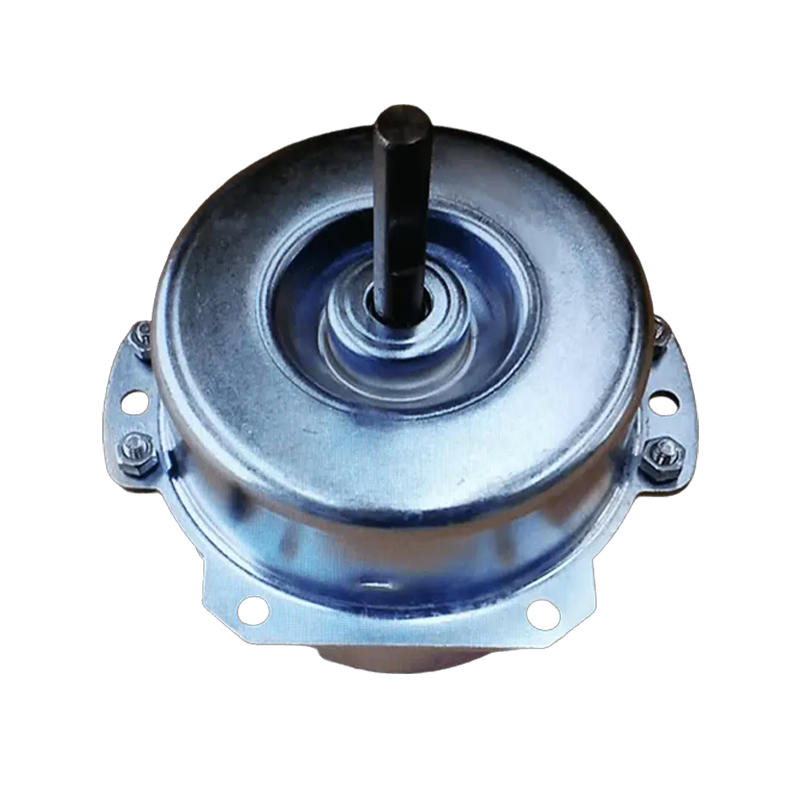
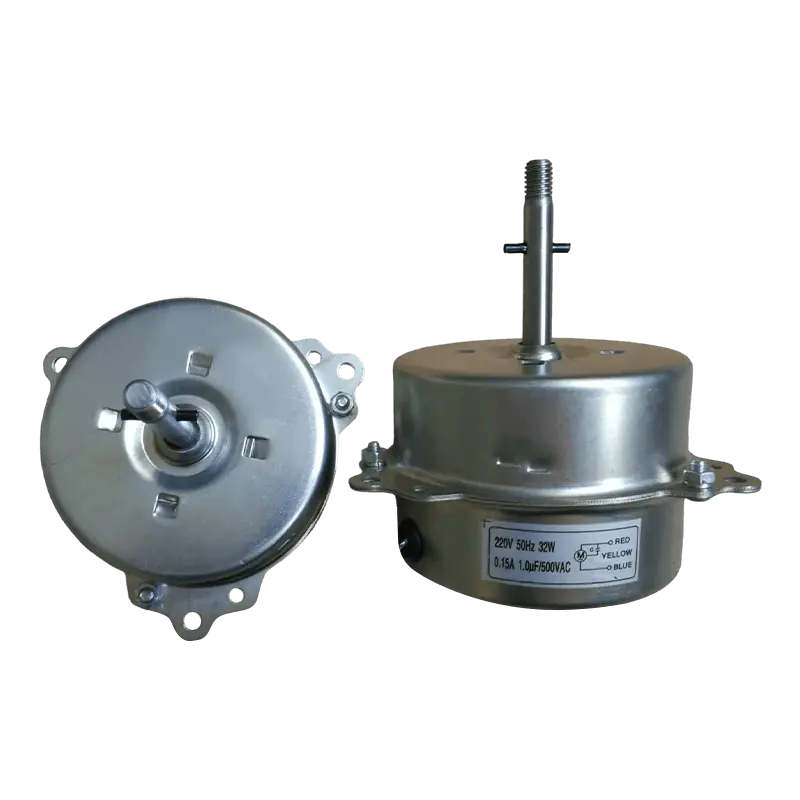
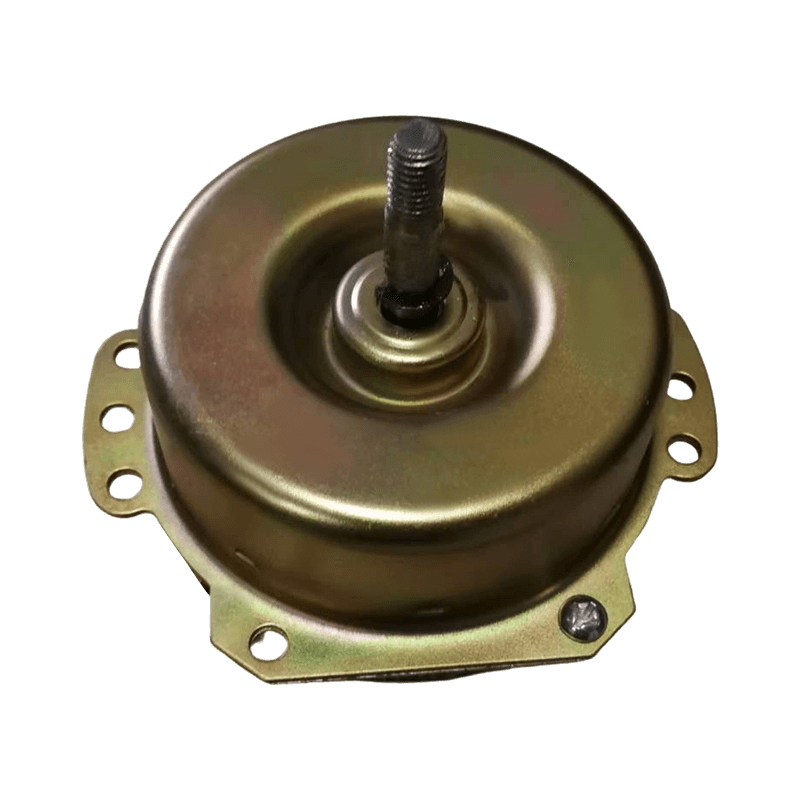
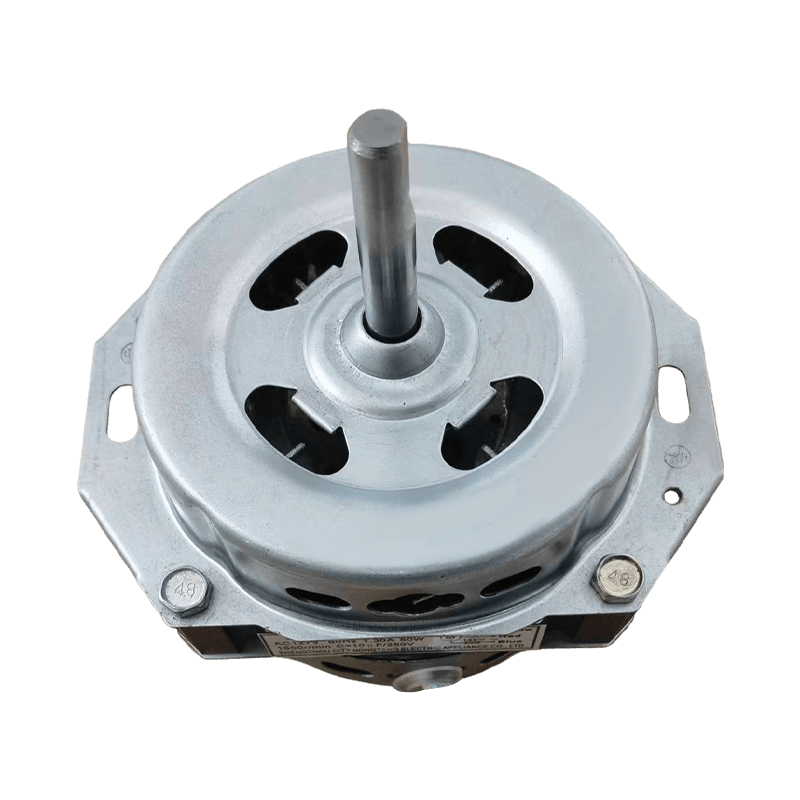
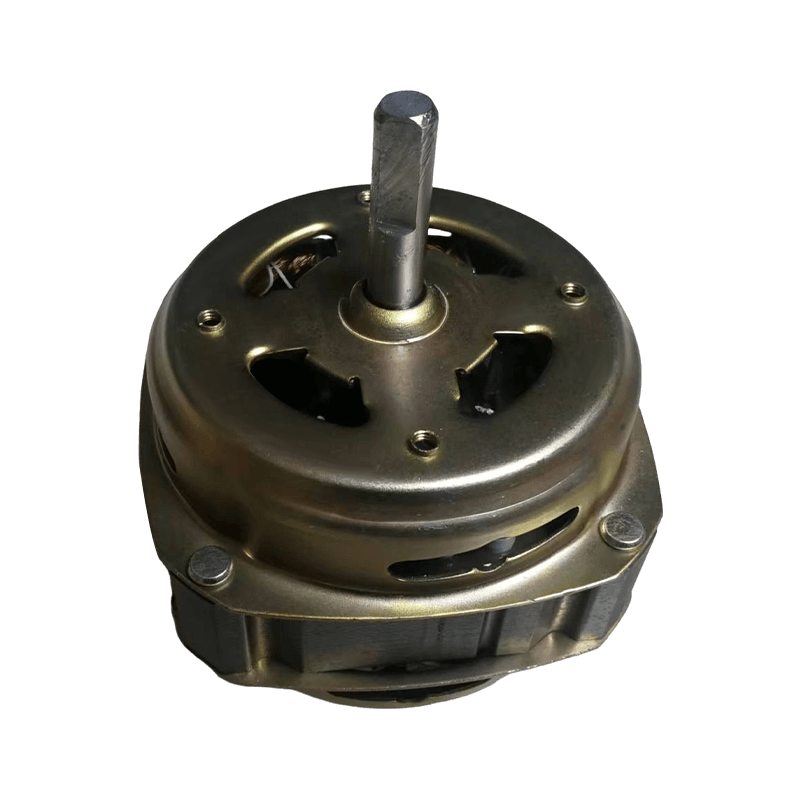
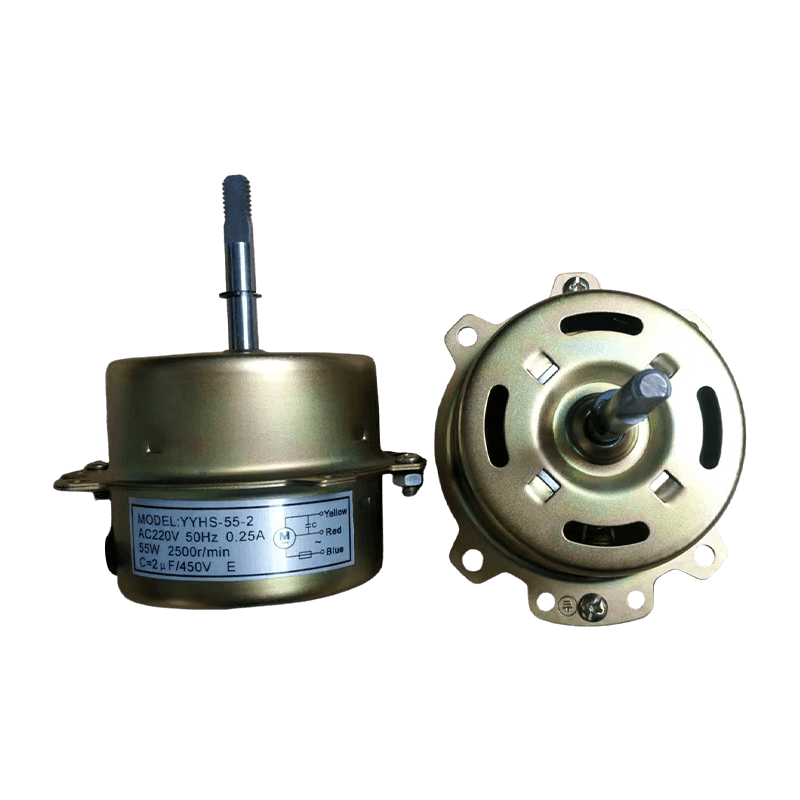
In the practical application of elevator ventilation design, not all AC motors adopt the same construction. Depending on the elevator's load capacity, cabin space, and noise level requirements, the Elevator Fan AC Motor is typically divided into several specific technical types. Understanding these classifications helps in selecting the most compatible power source during maintenance or design.
Permanent Split Capacitor (PSC) Motors: This is currently the most common type of Elevator Fan AC Motor used in mid-to-high-end passenger elevators. It utilizes a permanently connected capacitor to create the phase shift required for both starting and running. Its advantages include smooth operation, high efficiency, and extremely low noise during operation. It is suitable for residential and office elevators with high comfort requirements.
Shaded Pole AC Motors: This is an exceptionally simple construction for an Elevator Fan AC Motor. It generates a rotating magnetic field by placing a copper ring (shading pole) on a portion of each stator pole. It is extremely rugged, has almost zero maintenance requirements, and very low cost. It is commonly found in freight elevators or simple ventilation units where noise requirements are less stringent.
Variable Speed AC Motors: With the development of energy-saving technology, modern elevators have begun to adopt adjustable-speed Elevator Fan AC Motors. The speed can be automatically adjusted based on the elevator's load to achieve energy savings and noise reduction.
| Technical Parameter | Permanent Split Capacitor (PSC) | Shaded Pole |
| Starting Torque | Medium | Lower |
| Efficiency | Higher (approx. 40% - 60%) | Lower (approx. 15% - 30%) |
| Noise Level | Extremely Low (35-45 dB) | Medium (50-60 dB) |
| Heat Resistance Class | Class B or Class F | Usually Class B |
| Temperature Rise Control | Excellent (Lower operating temp) | Average (Significant heat generation) |
| Control Complexity | Requires external capacitor | No external components, direct start/stop |
To ensure the Elevator Fan AC Motor can be stably adapted to the elevator control system, the following parameters are mandatory hardware standards to verify:
Rated Voltage: Commonly AC 110V, 220V, or 380V; must be consistent with the elevator control cabinet output.
Insulation Class: Usually required to reach Class B (130°C) or higher to handle potential heat accumulation at the top of the elevator shaft.
Protection Rating (IP Rating): Generally IP42 or IP44, which is sufficient to prevent fine dust from entering the motor and affecting the bearings.
Rotational Speed (RPM): Typically between 1200 RPM and 3000 RPM. Higher speeds increase airflow but also increase noise, requiring a precise balance.
In a small and enclosed moving space like an elevator, passenger comfort depends heavily on the performance of the ventilation system. The performance of the Elevator Fan AC Motor directly determines whether the cabin is fresh and quiet or noisy and stuffy.
Noise is a key indicator of elevator quality. The Elevator Fan AC Motor employs multiple noise-reduction methods. Precision Balanced Rotor: Every rotor undergoes strict dynamic balance calibration before leaving the factory to ensure no physical vibration occurs during high-speed rotation. Low-Noise Bearings: Typically, oil-impregnated or double-ball bearings are selected, paired with special lubricating grease to keep operating decibels within a comfortable range. Sine Wave Optimization: The electromagnetic design of the AC motor is optimized to reduce electromagnetic humming.
Since space at the top of the cabin is limited and heat dissipation conditions are poor, the Elevator Fan AC Motor must possess high energy efficiency. Low-Loss Materials: High-permeability silicon steel sheets are used for the stator core to reduce eddy current losses. Self-Cooling Structure: The motor housing is often designed with cooling fins or cast from aluminum alloy to carry away internal heat using the motor’s own airflow.
| Performance Dimension | High-End Grade | Standard Grade |
| Noise Level | Lower than 38 dB | 45 - 55 dB |
| Temp Rise | Lower than 45K (above ambient) | 60 - 75K |
| Vibration Intensity | V1.2 (Ultra-low) | V2.5 (Standard) |
| Protection Rating | IP44 (Dust/Splash proof) | IP20 (Large particles only) |
| Lifespan (MTBF) | More than 40,000 hours | 15,000 - 20,000 hours |
| Insulation Class | Class F (155°C) | Class B (130°C) |
To understand why the Elevator Fan AC Motor can maintain stable operation for years, one must look into its internal construction.
Stator: Made of high-permeability cold-rolled silicon steel sheets with copper windings impregnated with insulating varnish to prevent moisture erosion. Rotor: Usually a cast aluminum squirrel-cage structure. To eliminate electromagnetic noise, rotor slots are often skewed to reduce torque fluctuations during start-up of the Elevator Fan AC Motor.
Over 80% of Elevator Fan AC Motor failures are bearing-related. Double Ball Bearings are common in high-intensity commercial elevators; they offer excellent high-temperature resistance and support for both axial and radial loads. Sleeve Bearings are used in home elevators for maximum silence, though they require a cleaner environment.
The Elevator Fan AC Motor integrates an automatic reset thermal protector. If the coil temperature exceeds a threshold (typically 125°C - 135°C), the protector cuts off power to prevent fire hazards.
| Key Component | Light Load (Cabin < 800kg) | Heavy Load (Cabin > 1600kg) |
| Stator Outer Diameter | 55mm - 70mm | 80mm - 110mm |
| Bearing Type | Sleeve Bearings | Precision Ball Bearings |
| Housing Material | Steel or Plastic | Die-cast Aluminum |
Flexible Connection: Vibration-damping rubber pads should be installed between the motor and the bracket to prevent high-frequency resonance with the cabin's metal sheets. Airflow Positioning: Ensure the inlet and outlet of the Elevator Fan AC Motor are unobstructed to prevent backpressure and overheating.
Dust Removal: Clean the inlet filter and housing fins quarterly. Bearing Inspection: Use a stethoscope to monitor sound; friction noises indicate dry grease or worn bearings. Electrical Connection Check: Ensure terminals are tight, as vibrations can cause loose connections and burnt junction boxes on the Elevator Fan AC Motor.
| Monitoring Dimension | Optimal State | Warning State |
| Shell Temp | Lower than 60°C | Higher than 85°C |
| Current | Rated (±5%) | Over 15% above rated |
| Start-up Speed | Instant (Under 2s) | Slow with humming |
| Insulation Resistance | Higher than 20 MΩ | Lower than 2 MΩ |
Q: Why did my elevator fan suddenly become noisy?
A: Usually due to dried bearing grease or dust accumulation on the blades causing a dynamic imbalance in the Elevator Fan AC Motor.
Q: Can the airflow of the Elevator Fan AC Motor be adjusted?
A: Yes, primarily through Voltage Control or Variable Frequency Drive (VFD), which is more efficient and extends the motor's life.
Q: What causes the motor to trip during hot seasons?
A: The internal thermal protector likely triggered because the Elevator Fan AC Motor exceeded its temperature limit due to high ambient heat or clogged cooling fins.
| Adjustment Method | Voltage Control | VFD Control |
| Energy Efficiency | Lower | Extremely High |
| Temp Rise | Significant | Low/Controlled |
| Lifespan Impact | May reduce if low-voltage | Extends motor life |

Contact Us
+86 0575 83078988
+86 13605855838
+86 17769850789
13605855838
No. 20, Zhiye Road, Changle Town, Shengzhou City, Shaoxing City, Zhejiang Province
Contact Us
 Custom Mini AC Motor Manufacturers