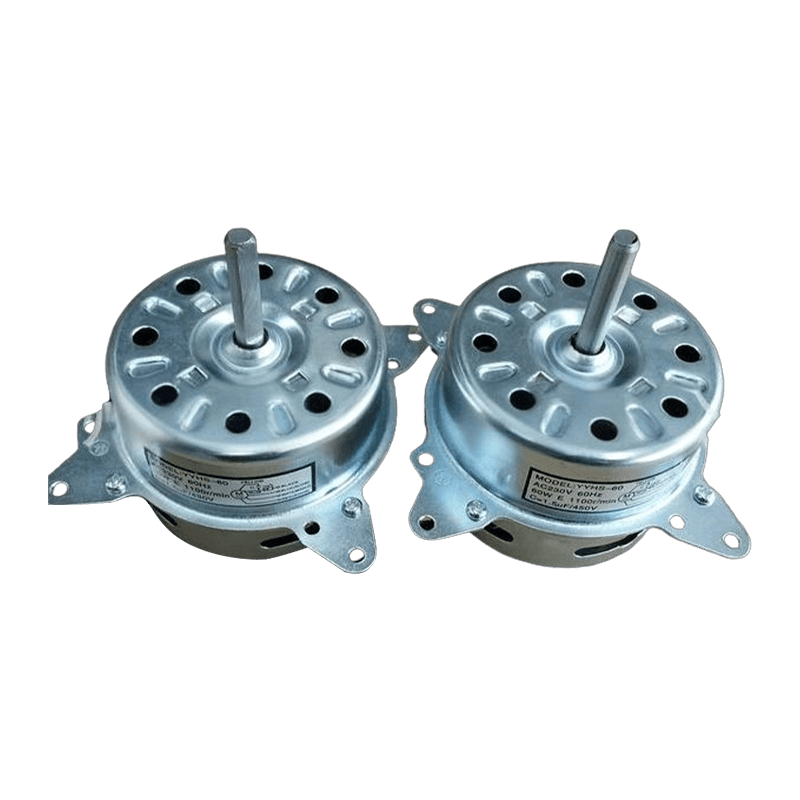
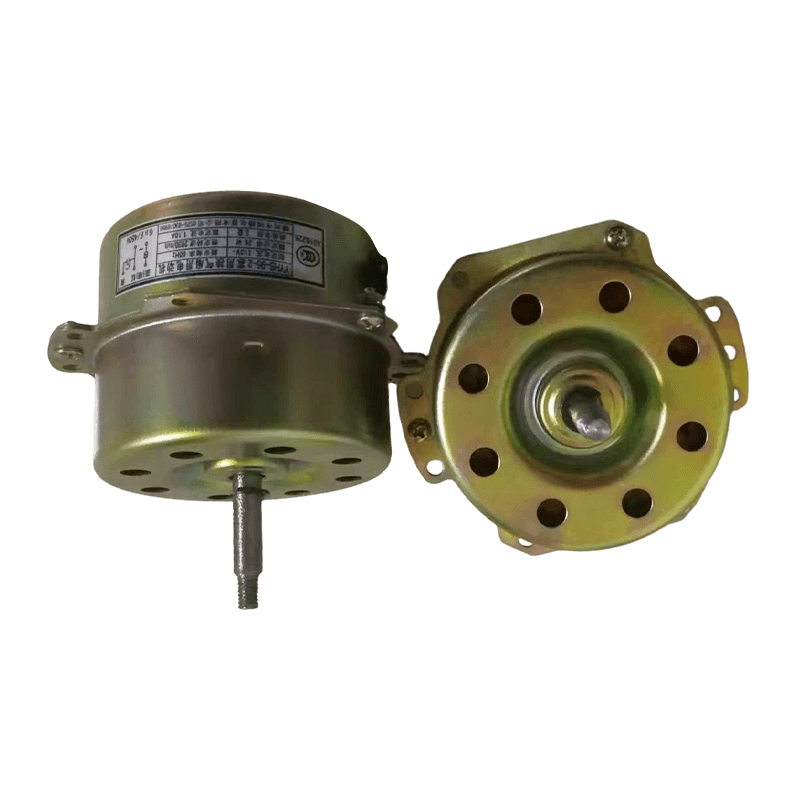
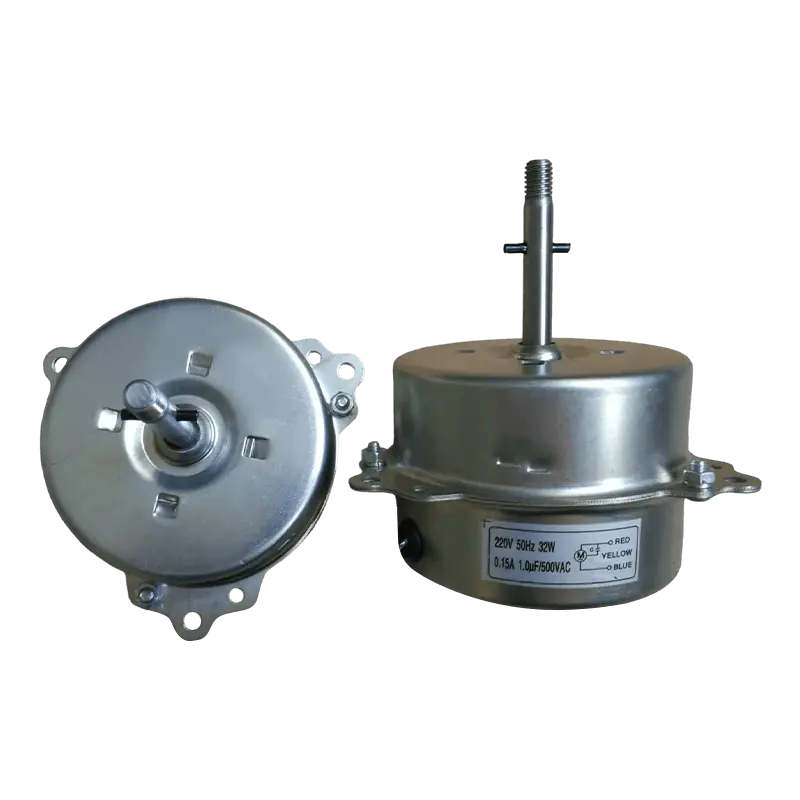
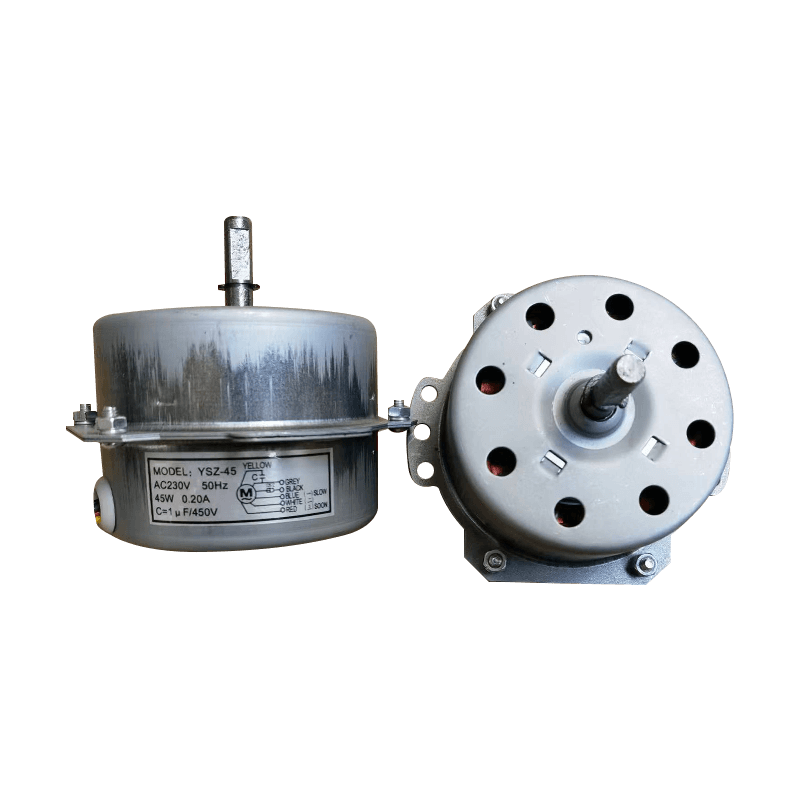
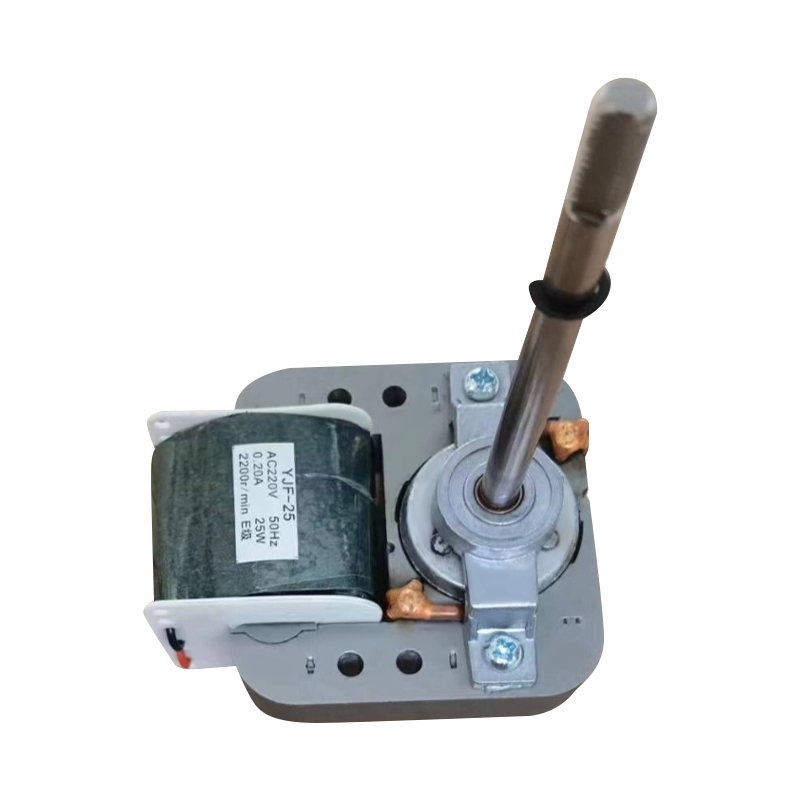
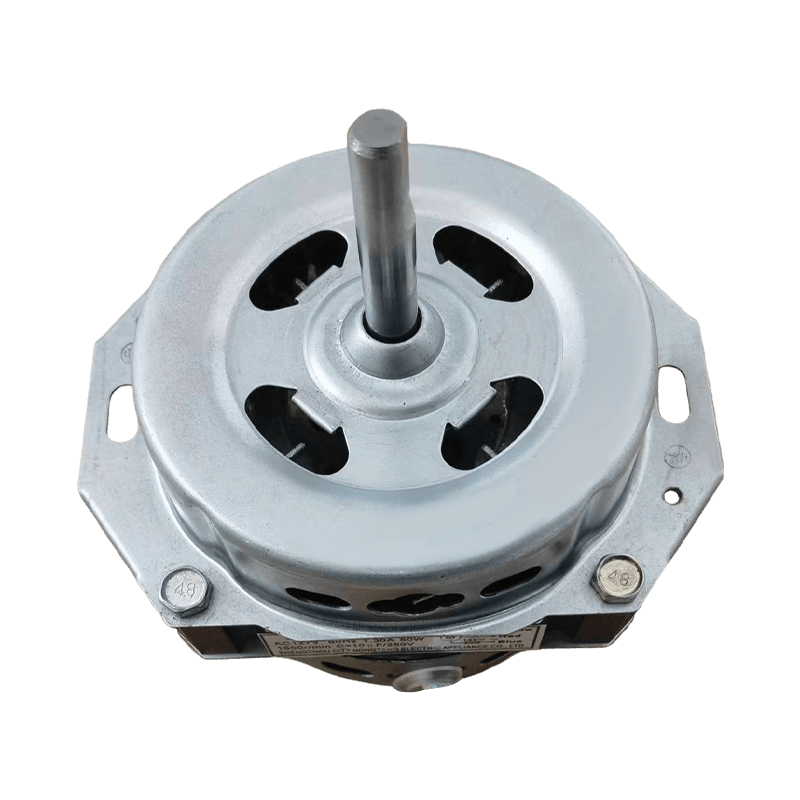
The air conditioner fan AC motor is a crucial component in the air conditioning system, directly impacting the cooling and heating performance of the system. Due to prolonged use or environmental changes, the motor may experience various failures, which not only affect the performance of the air conditioner but can also accelerate system aging. Below are the common failures of air conditioner fan AC motors and their corresponding solutions.
Electric Motor Not Turning
Failure Symptoms: The air conditioner fan AC motor does not turn on, and no airflow is produced from the air conditioner, or the fan runs slowly.
Possible Causes:
- Power Issues: The power supply to the motor is disconnected, or the voltage is too low, preventing the motor from starting.
- Capacitor Failure: A damaged or failed capacitor cannot provide the necessary energy to start the motor.
- Internal Motor Failures: The motor's windings may be short-circuited, open-circuited, or suffer from other internal faults.
Solution:
- Check the power supply to ensure it is connected and verify that the voltage is stable.
- Replace the damaged capacitor, ensuring it matches the motor specifications.
- If the motor has internal issues, disassemble it for inspection or replace the motor.
Excessive Heating of the Motor
Failure Symptoms: The air conditioner fan AC motor becomes excessively hot during operation, and a burnt smell may be noticeable.
Possible Causes:
- Overload Operation: The motor has been running under high load for extended periods, causing excessive heat.
- Poor Motor Cooling: Dust accumulation on the fan blades or the motor casing affects heat dissipation, leading to overheating.
- Worn Bearings: Increased friction due to worn bearings causes the motor to overheat during operation.
Solution:
- Check the air conditioner's load to avoid running under heavy load for prolonged periods.
- Regularly clean the motor's exterior to prevent dust buildup and maintain good heat dissipation.
- Inspect and replace worn bearings to reduce friction and lower the motor's temperature.
Abnormal Motor Noise
Failure Symptoms: The air conditioner fan AC motor produces unusual buzzing, scraping, or vibrating sounds during operation.
Possible Causes:
- Worn Bearings: Over time, bearings may wear out, causing noise during motor operation.
- Imbalanced Fan Blades: Dust accumulation or deformation of the fan blades leads to an imbalance, producing noise when the fan rotates.
- Damaged Motor Coils: Faulty motor coils can cause vibrations and noise.
Solution:
- Regularly check and replace worn bearings.
- Clean the fan blades, ensuring they are not damaged or unbalanced. Replace blades if necessary.
- Inspect the motor coils for damage, and replace the motor if necessary.
Difficulty Starting the Motor
Failure Symptoms: The air conditioner fan AC motor struggles to start, takes longer to reach normal speed, or shuts down after starting.
Possible Causes:
- Capacitor Failure: The capacitor may be insufficient or completely failed, preventing the motor from receiving enough starting torque.
- Unstable Power Supply: Voltage instability or insufficient current can make the motor difficult to start.
- Internal Motor Issues: Motor windings may have short circuits or poor connections, affecting its ability to start.
Solution:
- Replace the motor capacitor, ensuring it is the correct size and matches the motor's specifications.
- Check the power supply to ensure stable voltage and sufficient current.
- If the motor has internal faults, inspect and replace the motor as necessary.
Motor Speed Instability
Failure Symptoms: The air conditioner fan AC motor experiences speed instability, either accelerating or decelerating suddenly during operation.
Possible Causes:
- Faulty Control Circuit: Damaged electronic components in the control circuit may cause the motor speed to be unstable.
- Load Variations: Fluctuations in the motor's load can lead to unstable motor speeds.
- Power Supply Voltage Fluctuations: Unstable voltage can cause irregular motor speed.
Solution:
- Inspect and repair the motor's control circuit to ensure the system is functioning properly.
- Adjust the motor's load to avoid significant fluctuations, ensuring stable operation.
- Check the power supply to ensure the motor receives stable voltage.
Motor Vibration
Failure Symptoms: The air conditioner fan AC motor exhibits noticeable vibration, affecting the stability of the entire air conditioning system.
Possible Causes:
- Imbalanced Fan Blades: Damaged or dusty fan blades may cause an imbalance during rotation, leading to vibration.
- Loose Motor Mounting: If the motor is not properly secured to the mounting bracket, vibrations will occur during operation.
- Worn Bearings: Worn bearings may cause the motor to operate unbalanced, resulting in vibration.
Solution:
- Check the fan blades for damage or imbalance, and clean or replace them as necessary.
- Ensure the motor is securely mounted and tighten all fixing screws.
- Replace worn bearings to reduce vibration.
Motor Odor
Failure Symptoms: The air conditioner fan AC motor produces a burnt smell during operation.
Possible Causes:
- Overheated Windings: Continuous overload operation may overheat the motor windings, damaging the insulation and causing a burnt odor.
- Lubrication Issues: Excessive or insufficient lubrication in the bearings may cause friction, producing a burnt smell.
- External Contamination: Dust or foreign particles coming into contact with the motor may cause odor during operation.
Solution:
- Stop the system and check the motor for signs of overheating. If necessary, replace the motor.
- Check and adjust the lubrication in the bearings, replacing it if necessary.
- Clean the motor and remove any accumulated dust or contaminants.
 English
 中文简体
中文简体


 Custom Mini AC Motor Manufacturers