English
 中文简体

Quick Product Search
Contact us to learn how we can use our expertise to bring you high-quality products.
2026-10-02
When you search for an anti dust fan, the first thing you usually see is advice about blade coatings. That makes sense: the blade surface is where dust collects. But as a motor manufacturer that has supplied fan motors to appliance brands for more than twenty years, we can tell you that the motor inside the fan is just as important. A well-designed motor helps the fan run evenly, quietly, and efficiently, and that makes an anti-dust coating work much better. In this guide, we explain how anti-dust fans work and what to look for when choosing a fan motor for a dust-resistant design.
An anti-dust fan is a fan designed to reduce the amount of dust that settles on its blades and housing. Unlike a conventional fan, which may need dusting every few days, an anti-dust fan uses smoother surfaces, special finishes, and improved aerodynamics to keep dust from clinging. According to fan manufacturers, a properly engineered anti-dust fan can cut dust buildup by about 50% compared with a standard fan. That is a meaningful difference for households in dusty climates or for rooms that are used for many hours each day.
The concept is most common in ceiling fans, but the same principle applies to tower fans, exhaust fans, cooling fans, and other household appliances that move air. For those applications, the fan motor is not just a rotating part; it is the component that determines whether the anti-dust effect lasts over years of use.
Anti-dust fan technology usually combines three ideas:
Yet these features work only when the fan rotates as planned. If the motor vibrates, hesitates, or loses speed, the airflow becomes uneven. Dust particles that would normally be swept away can then settle on the blade. This is why a true anti-dust fan needs a motor that delivers smooth, consistent rotation.
The word anti-dust can be a little misleading, because no fan can completely repel dust. What the technology really does is reduce how often you need to clean the fan. A fan that collects less dust also moves more air, because dust layers on blades reduce airflow and increase the load on the motor.
In our factory in Shengzhou, we test motors for balance, noise, temperature rise, and speed consistency. Those tests matter because they directly influence how clean a fan stays. Here are the motor behaviors that affect dust resistance:
This is not just theory. When we compare motors in our own test room, we see the same blade design collect visibly less dust when paired with a balanced, low-vibration motor. This is one reason we keep our product innovation and R&D focus on refining these details.
For example, a tower fan benefits from a motor that can run at different speeds without overheating. Our YYHS45 three-speed tower fan motor is one option we often recommend for dust-conscious designs.
 YYHS-45 45W Three-Speed Tower Fan Motor with Pure Copper WindingsThis motor is highlighted for dust-conscious tower fan designs, offering adjustable speeds and stable operation in high heat. Its compact build suits various tower fan structures, making it a practical choice for manufacturers.View Product →
If you are designing a fan, replacing a fan motor, or sourcing a motor for your own brand, here are the specifications worth checking.
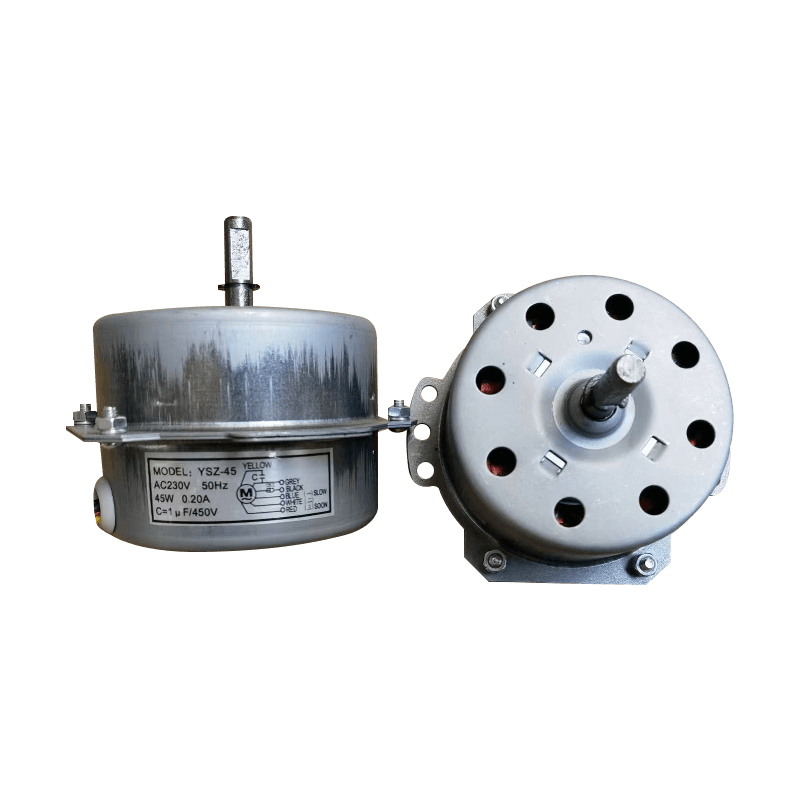
We build many of these features into our AC motors. For cooling fans and air-conditioning fan applications, the YSZ45 three-speed adjustable cooling fan motor is a common starting point.
 YSZ-45 Three-Speed Cooling Fan Motor for Home AppliancesPositioned for cooling and air-conditioning fan applications, this motor provides stable airflow and quiet operation. With multiple power sources and strong adaptability, it fits frequent speed adjustments and long runtime needs in household devices.View Product →
Anti-dust fans are not limited to ceiling fans. We supply motors for exhaust fans, tower fans, air-conditioner fans, and more. The table below summarizes how we match motor types to common fan designs.
| Fan Application | Motor Example | Key Benefit for Dust Resistance |
|---|---|---|
| Cooling fan / air-conditioner fan | YSZ45 | Three-speed control and stable operation |
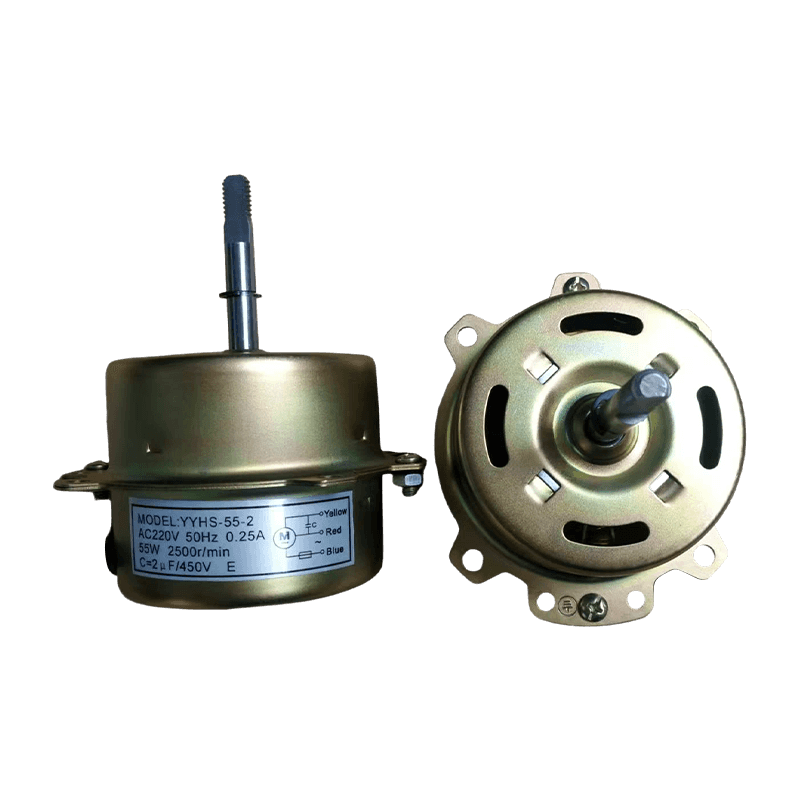
| Tower fan / oscillating fan | YYHS45 | Pure copper winding, low noise, steady speed |
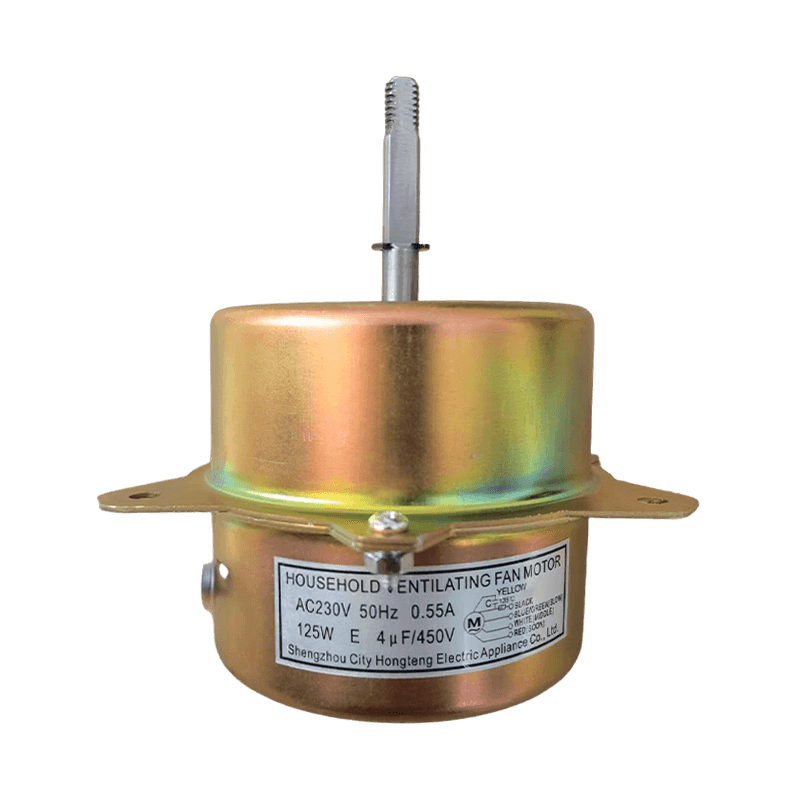
| Household ventilation / exhaust fan | YYHS40 | Ball-bearing support for smooth rotation |
| Fan for American market | MWD52-CZ310R | Bidirectional three-speed, low-vibration design |
For household ventilation, the YYHS40 motor is a good example of a compact motor that keeps rotation smooth and quiet. For customers exporting fans to the United States, our MWD52-CZ310R is specially designed to meet that market’s requirements.
 M-WD52 CZ310R Bidirectional Three-Speed Fan Motor for US MarketDesigned for American exports, this motor supports forward and reverse airflow with three speed options. Its copper windings and low-noise construction align with the article’s emphasis on smooth, durable motors for anti-dust fan designs.View Product →
The idea of an anti dust fan is not just a marketing line. With the right blade finish and a motor that runs smoothly, a fan can genuinely stay cleaner for longer and save you from frequent dusting. As a motor manufacturer, we believe that successful anti-dust fan design starts from the inside. Choose a motor with balanced rotation, durable bearings, and proven speed control, and the rest of the design will work as intended.
If you are developing a fan product and need a motor partner that understands these details, feel free to contact us. We would be happy to discuss your application and recommend a motor that fits your dust-resistance goals.
Recommended Products

Contact Us
+86 0575 83078988
+86 13605855838
+86 17769850789
13605855838
No. 20, Zhiye Road, Changle Town, Shengzhou City, Shaoxing City, Zhejiang Province
Contact Us
 Custom Mini AC Motor Manufacturers