English
 中文简体

Quick Product Search
Contact us to learn how we can use our expertise to bring you high-quality products.
2026-09-18
Step into an elevator on a warm, busy afternoon, and you will notice the gentle stream of air moving through the cab long before you can name the part responsible for it. That everyday comfort comes from a small, hardworking component known as the elevator fan motor. As a motor manufacturer based in Shengzhou, Zhejiang — a region of eastern China widely known for small electric motor production — we at Shengzhou Hongteng Electric Appliance Co., Ltd. have spent more than twenty years designing and building compact AC motors for ventilation applications. Elevator ventilation is one of the most demanding corners of this work, and in the guide below we would like to share what we have learned on the factory floor: how these motors are built, what separates a reliable unit from a mediocre one, and how buyers can select the right model with confidence.
An elevator fan motor is a small electric motor that drives the ventilation fan fitted inside an elevator cab, typically within the ceiling panel. On paper, its job is simple: keep air circulating so passengers never feel stuffy, help even out the cab temperature, and stop stale air from lingering in a confined space. In daily service, however, this little motor works harder than most household motors. It may run for nearly the entire operating day, cycle on and off thousands of times a month, and do all of this directly above the heads of passengers, where every decibel of noise and every trace of vibration is easy to notice.
Most elevator cab fans are driven by compact single-phase AC motors, frequently shaded-pole designs, because they are simple, durable, and easy to integrate into slim fan assemblies. If you are newer to this category of components, our guide to home appliance AC motor types and uses offers a friendly overview of how these small motors are classified and where each design fits.
An elevator cab is, frankly, one of the toughest environments a small ventilation motor will ever face. Three requirements tend to decide whether a motor is truly fit for the job.
The cab is essentially a metal box, and it behaves like one. Any hum, rattle, or bearing roughness is amplified and delivered straight to passengers' ears at close range. That is why serious manufacturers pay close attention to rotor balancing, bearing quality, and tight mechanical tolerances rather than treating noise as an afterthought. In our own production, low-noise performance is a design input from the very first drawing, not a feature added at the end of the process.
Headroom above the cab is limited, so the motor and fan must deliver meaningful airflow from a very slim housing. At the same time, the duty cycle is long, which makes heat management and bearing endurance critical. Full copper windings and ball-bearing constructions are common choices here because they hold up better under continuous running and help the motor stay efficient over years of service.
Elevators are installed everywhere, and grids differ — some regions run 110 V at 60 Hz, others 220–240 V at 50 Hz. A motor wound for the wrong supply will run hot, lose speed, or fail early. Because we manufacture in our own factory, we routinely adapt windings, frequencies, and mounting details to match the destination market, which is the same capability behind the market-specific models we supply to countries such as Indonesia, Korea, Pakistan, and the United States.
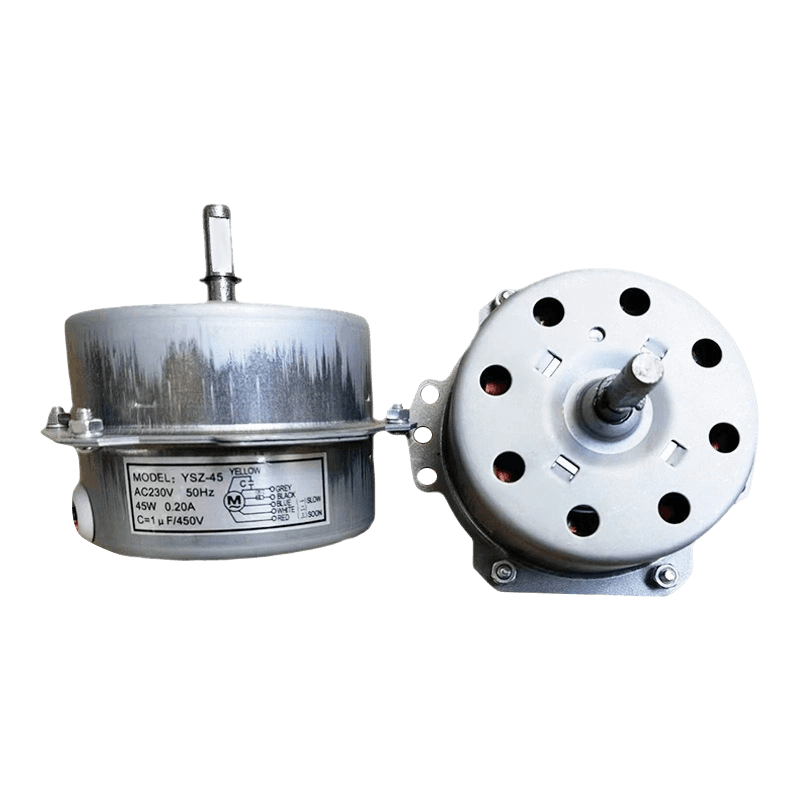
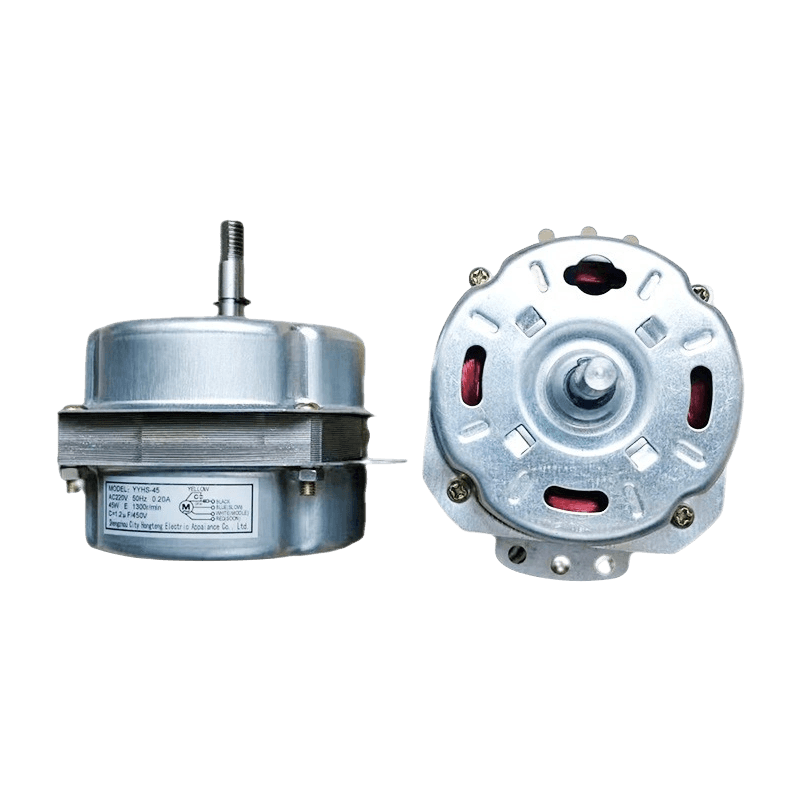
 High-Speed Ventilation Fan Motor for Elevator CarsA high-speed, low-noise motor built to drive elevator cabin fans for rapid air circulation and odor removal. It suits buyers specifying ventilation components for region-specific voltage and frequency requirements in new elevator projects.View Product →
Whether you are a maintenance contractor replacing an aging fan or a cab manufacturer specifying components for a new project, the same handful of factors will shape your decision. We recommend reviewing them with your supplier in writing before any order is placed.
| Selection Factor | Why It Matters | What to Confirm |
|---|---|---|
| Noise level | Passengers stand directly under the fan, so quiet running defines ride comfort. | Rated sound level at working speed |
| Voltage and frequency | Grids vary by country; mismatched windings overheat and wear early. | Winding matched to the local supply |
| Airflow and speed | The motor must move enough air without becoming loud. | Rated speed and airflow figures |
| Bearing type | Continuous duty punishes low-quality bearings first. | Ball-bearing or sleeve construction |
| Size and mounting | Slim ceiling panels leave little room, and retrofits must line up. | Frame dimensions and hole pattern |
| Winding material | Copper windings handle heat and long duty cycles better. | Pure copper wire confirmation |
No single specification tells the whole story. A slightly louder motor with better bearings will often outlast a nominally superior unit on paper, so treat the table above as a set of questions to ask rather than a scorecard to fill in.
Even a well-built motor benefits from sensible installation and care. These are the habits we encourage among the maintenance teams we work with:
When replacement time does arrive, it usually pays to step up to a sturdier construction. A ball-bearing, all-copper-wound ventilation motor, for example, will tolerate continuous duty far better than the basic sleeve-bearing unit it replaces.
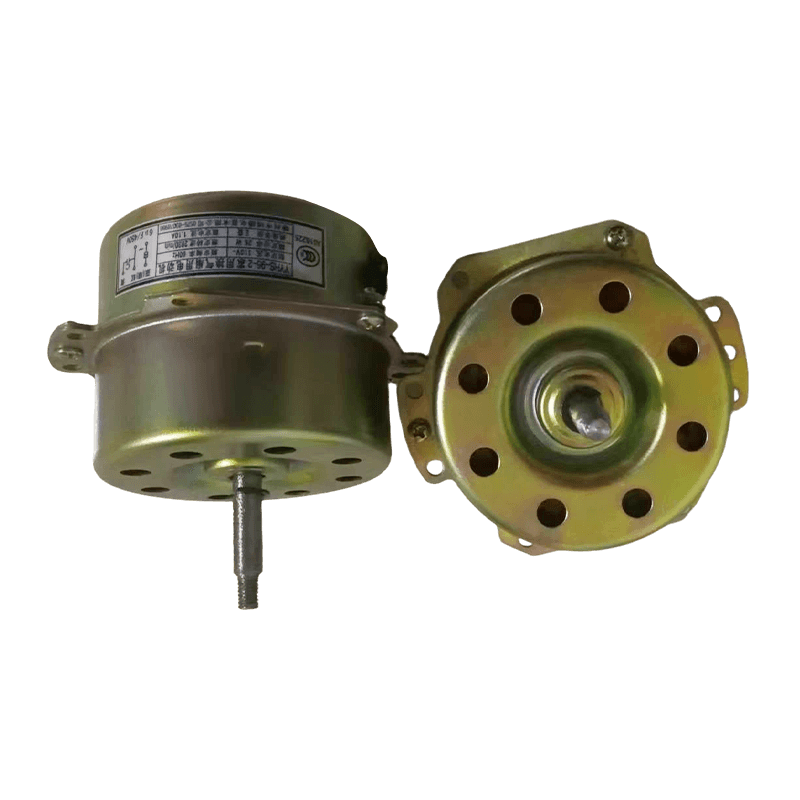
 YYHS-40 Ball Bearing All-Copper Household Ventilation Fan MotorThis motor combines all-copper windings with precision ball bearings for cooler, quieter continuous-duty operation. It is a worthwhile durability upgrade when replacing an aging sleeve-bearing elevator or household ventilation fan motor.View Product →
Buying an elevator fan motor is, ultimately, a decision about the factory behind it. When you work directly with a manufacturer rather than through layers of intermediaries, three things tend to improve: communication about technical details, consistency between approved samples and volume production, and lead time. Our own operation runs on a simple model — our own factory, our own production lines, and short delivery times — supported by an in-house team of motor design engineers and complete testing equipment. You can get a fuller picture of who we are and what we manufacture on our homepage.
Because we produce in-house, customization is routine rather than exceptional. Different voltages and frequencies, different shaft and mounting arrangements, and different speed settings can all be specified against your requirements, and the same engineering discipline carries across our wider ventilation and appliance motor range. Our elevator ventilation lineup illustrates this approach, and you are welcome to browse the full category below.
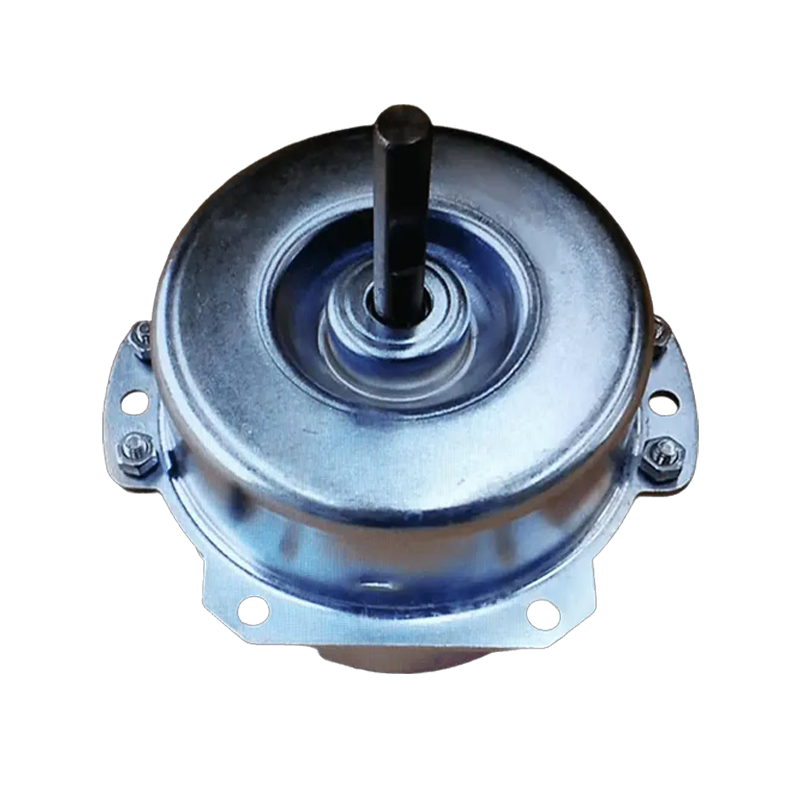 Elevator Fan AC Motor Manufacturer and SupplierElevator fan motors must run quietly and reliably for years with little maintenance attention. Working directly with an in-house manufacturer supports custom voltages, mounting details, and consistent quality for ventilation projects.View Product →
None of your passengers will ever see the elevator fan motor, and none of them will think about it — which is exactly the point. The best compliment this component can receive is to be forgotten, quietly doing its job day after day, year after year. That is the standard we hold our motors to, and it is the standard we would be glad to apply to your next project. If you are evaluating suppliers for elevator ventilation or any other appliance motor application, our engineering team welcomes your questions and your drawings alike.
Recommended Products

Contact Us
+86 0575 83078988
+86 13605855838
+86 17769850789
13605855838
No. 20, Zhiye Road, Changle Town, Shengzhou City, Shaoxing City, Zhejiang Province
Contact Us
 Custom Mini AC Motor Manufacturers