English
 中文简体
中文简体

Quick Product Search
Contact us to learn how we can use our expertise to bring you high-quality products.
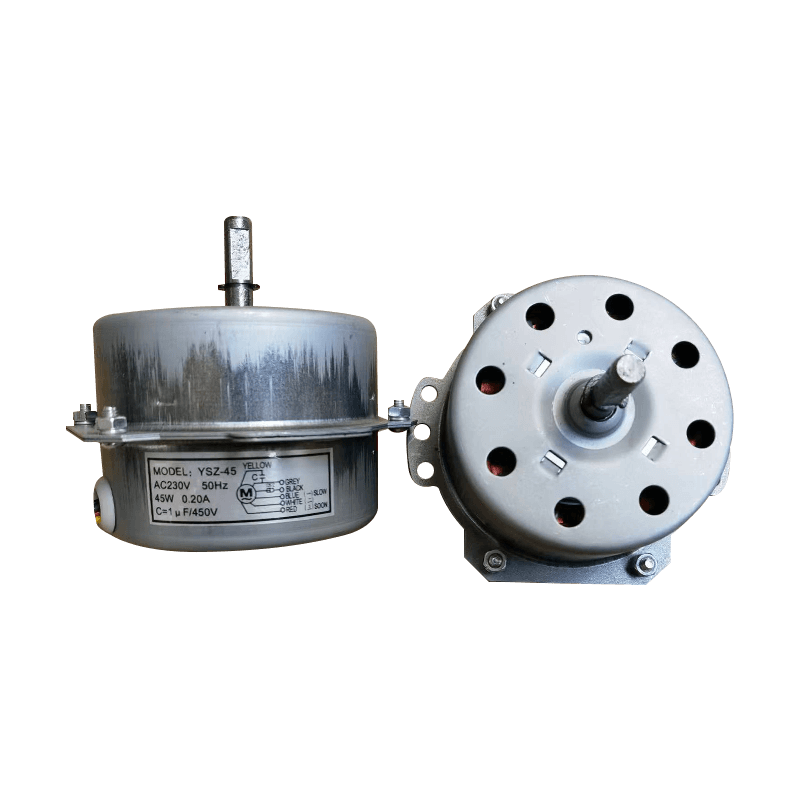
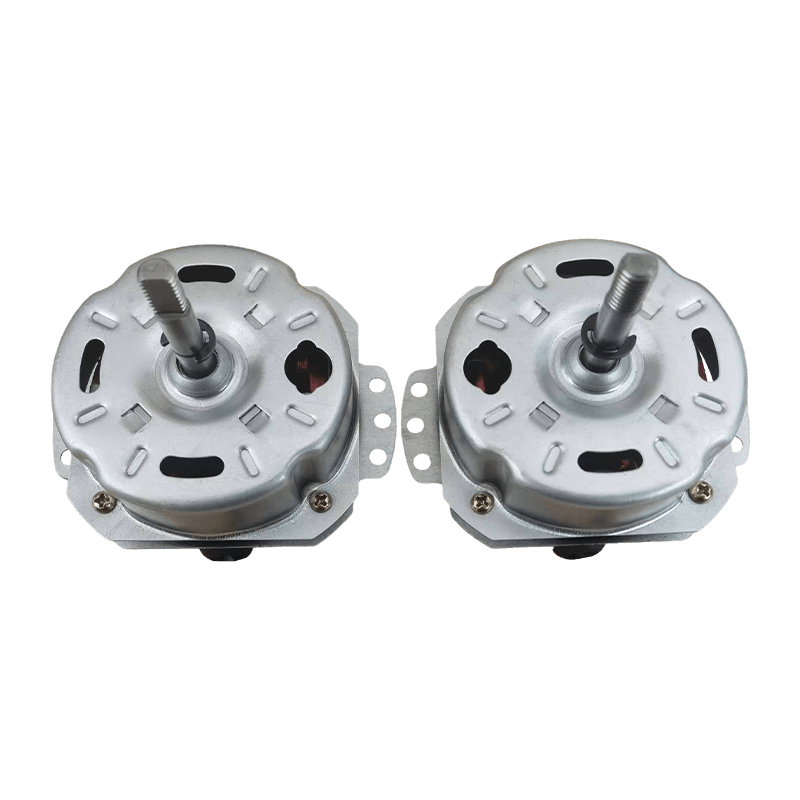
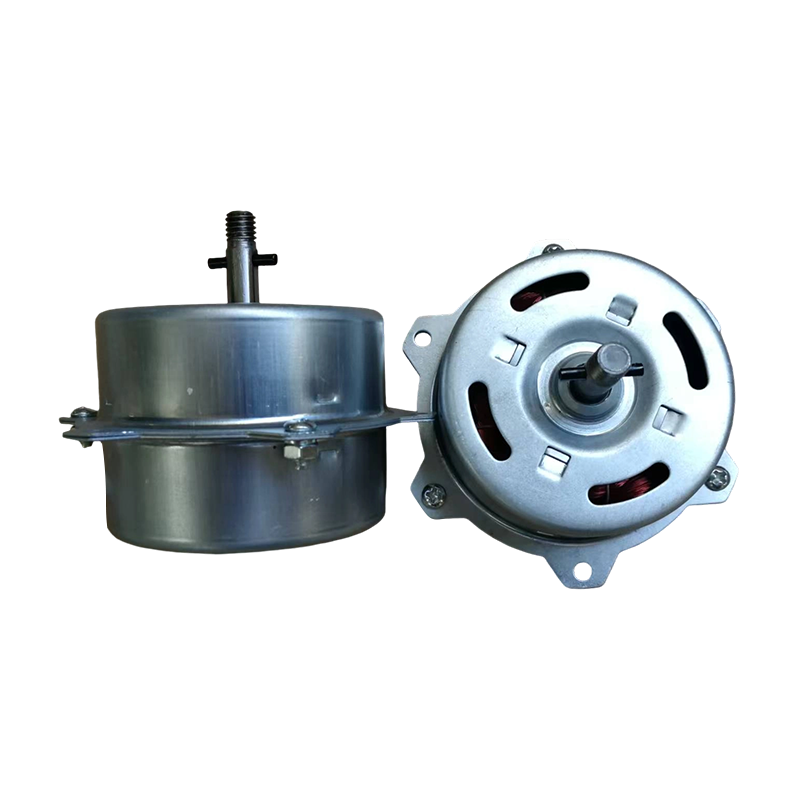
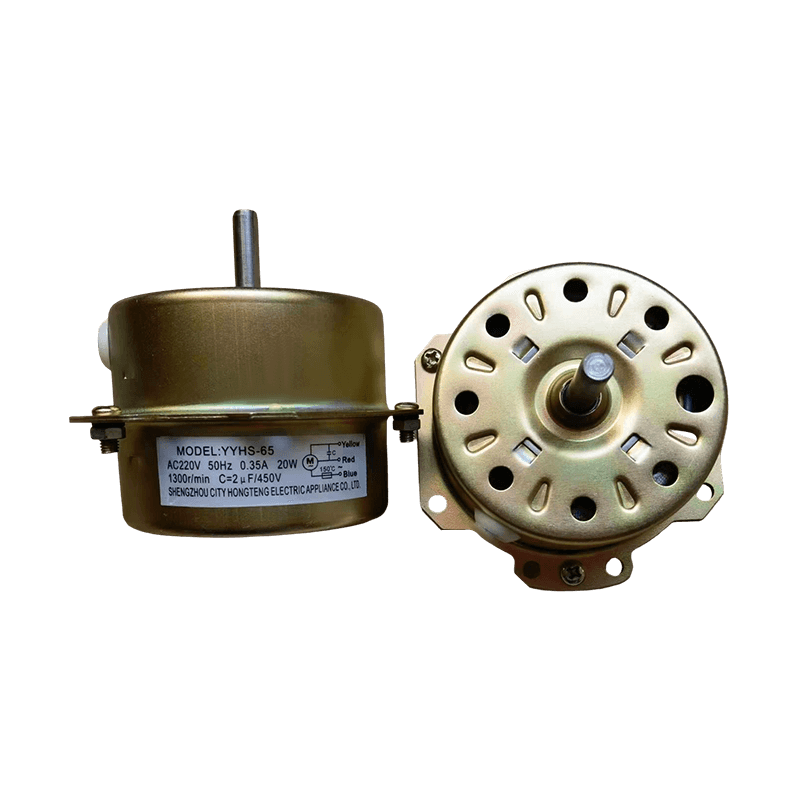
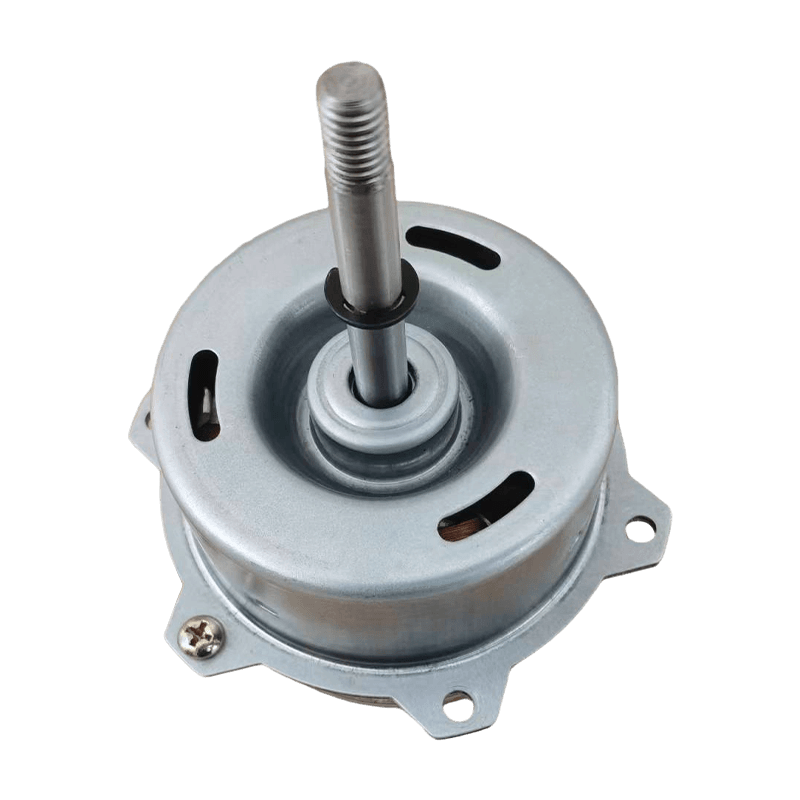
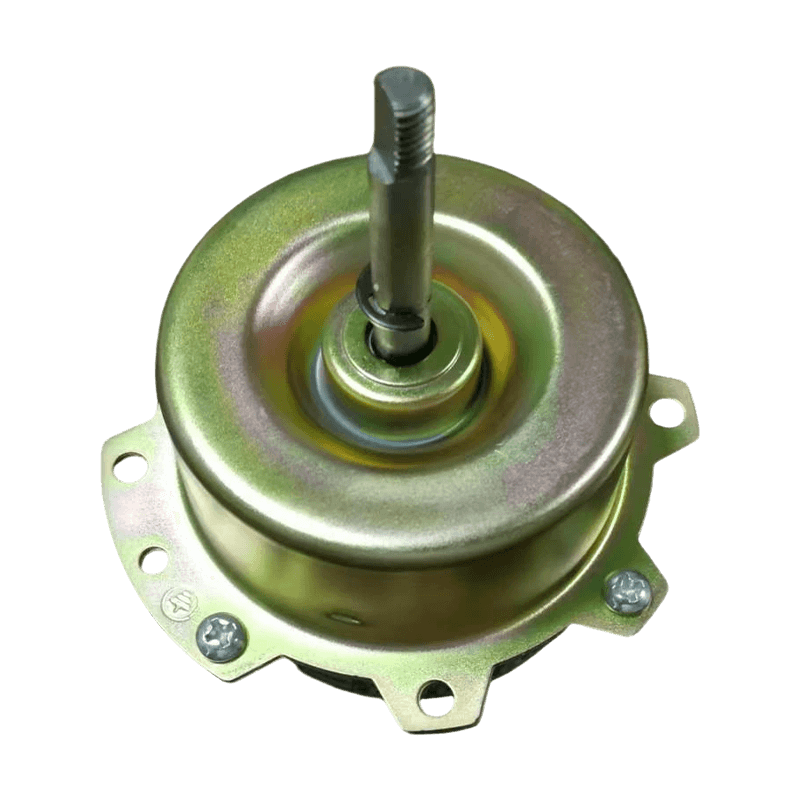
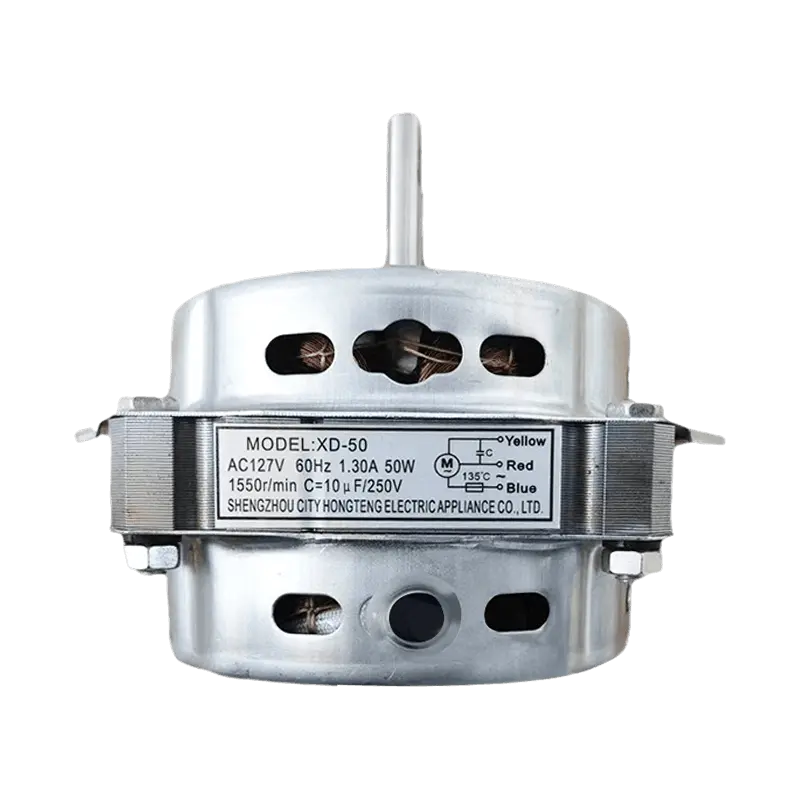
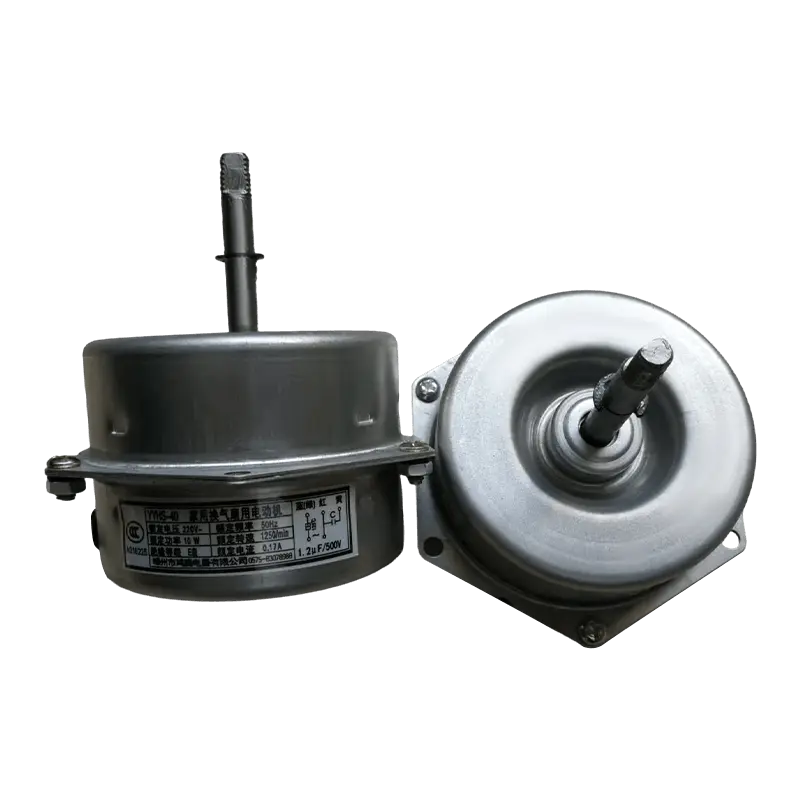
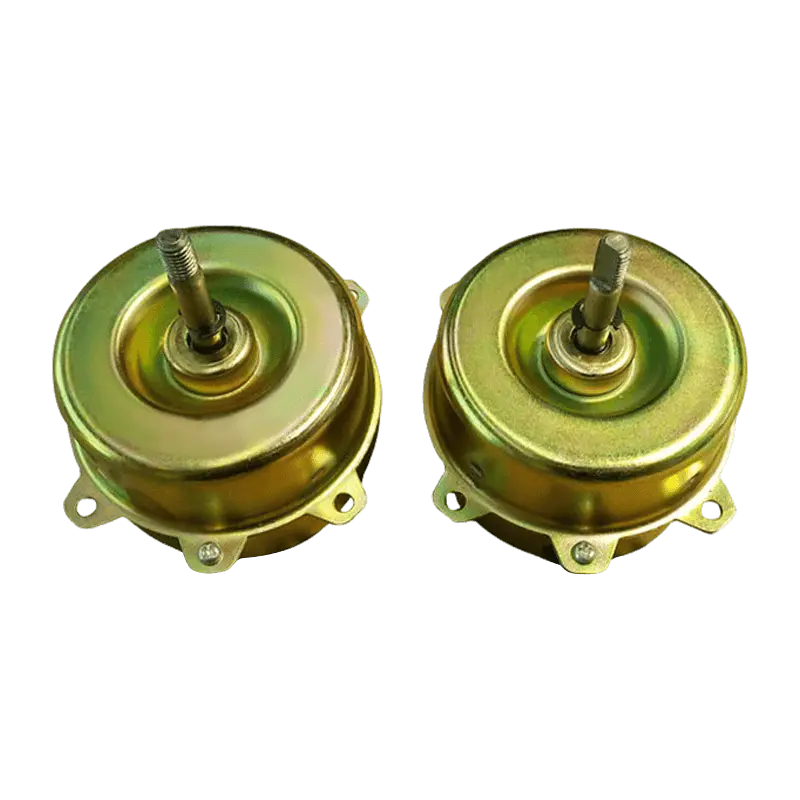
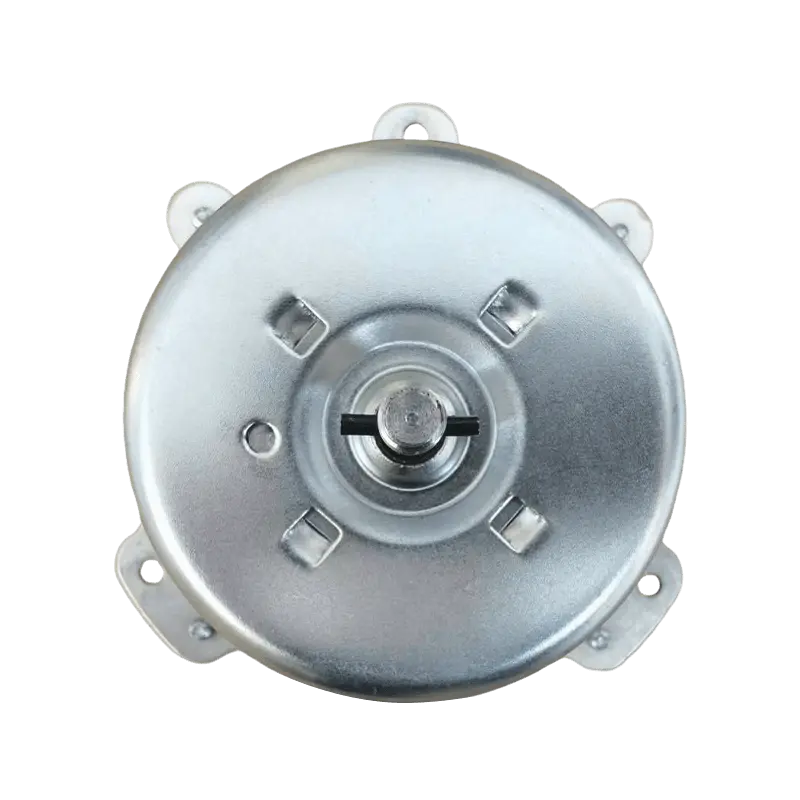
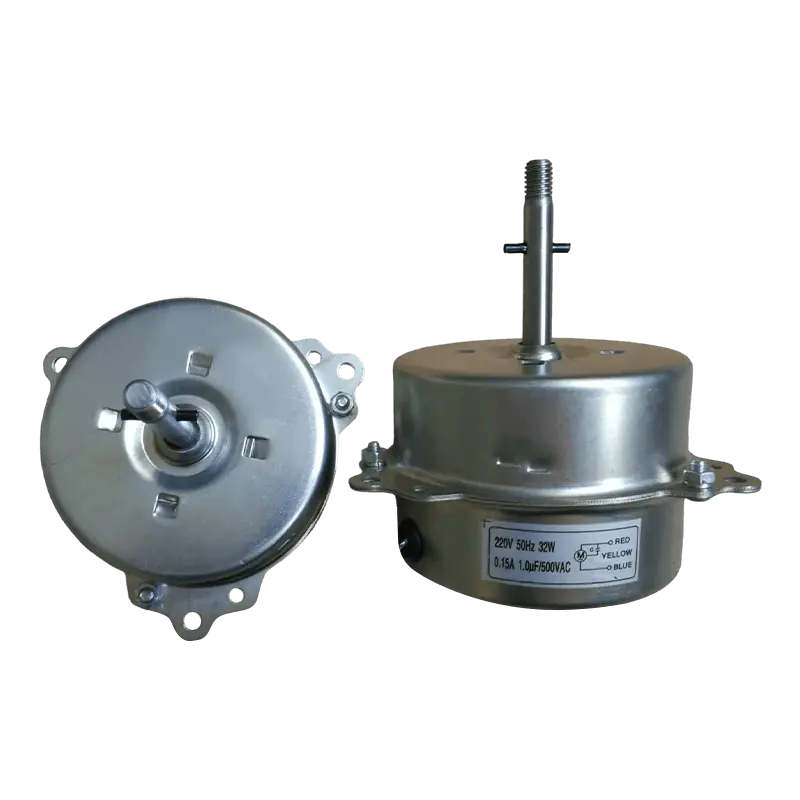
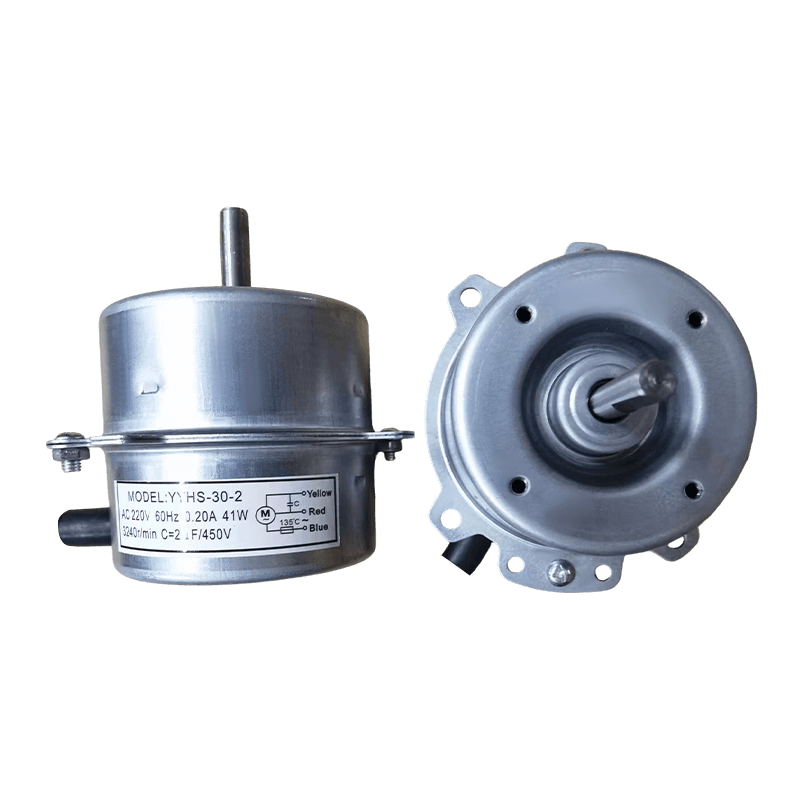
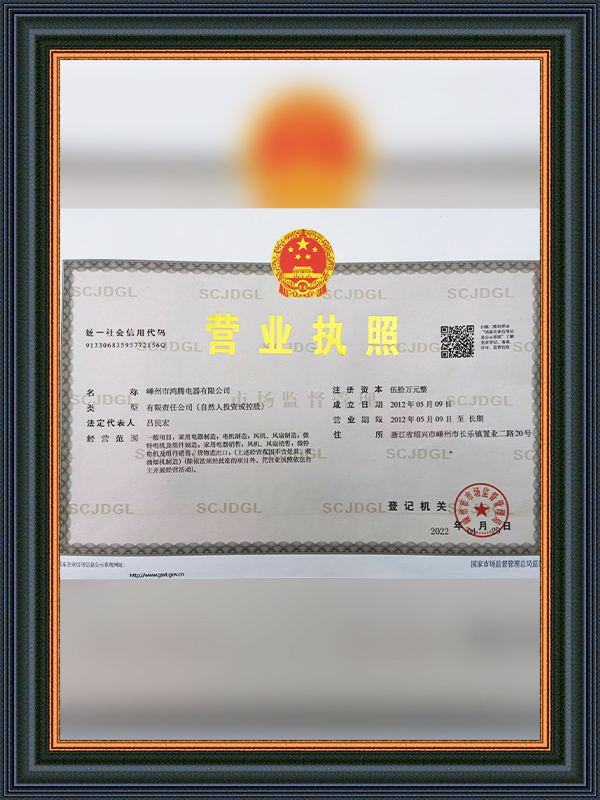
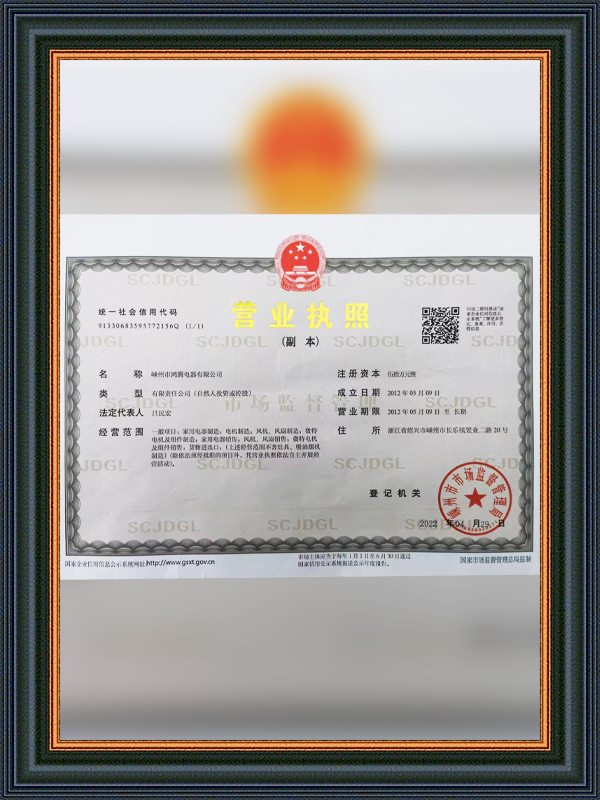
Shengzhou Hongteng Electric Appliance Co., Ltd. is located in the Motor Industrial Park of Changle Town, Shengzhou City, Zhejiang Province, renowned as the "Hometown of Yue Opera" and the "Motor Hub." As a specialized enterprise, it primarily designs, manufactures, and markets various electric motors for domestic and international household appliances. Its products are widely used in exhaust fans, electric fans, air cooler fans, elevator fans, washing machines, spin dryers, air purifiers, ice crushers, and noodle machines, among others. The company can also provide motors with different voltages and frequencies based on customer requirements.
As China Small Household Appliance Motor Manufacturers and Small Household Appliance AC Motor Factory, after over two decades of development, the company has acquired a complete set of advanced production equipment, comprehensive testing facilities, and a team of motor design engineers who adhere to the principle of "Quality First, Sincere Service." Through continuous innovation, it strives to deliver energy-efficient, high-quality products to customers. We welcome partners from around the world to collaborate and create a brighter future together.
Overload protection is one of the most important safety features in small household appliance AC motors. When the motor is subjected to excessive load, either due to blocked airflow or mechanical resistance, it may overheat or experience damage. To prevent this, overload protection mechanisms are incorporated into the motor's design. These devices monitor the motor’s current or temperature and automatically disconnect the power supply when the motor exceeds a safe threshold. This ensures that the motor does not suffer damage from prolonged overloading and helps extend the service life of the appliance.
Overcurrent protection safeguards the motor from damage caused by a sudden surge in electrical current. This is particularly critical during startup or when the appliance experiences a fault condition, such as a short circuit or other electrical issues. Overcurrent protection devices, like circuit breakers or fuses, are employed to detect abnormal increases in current and automatically disconnect the power supply. This mechanism not only protects the motor but also prevents potential fire hazards caused by excessive electrical flow.
Thermal protection is essential in preventing motor overheating, which can cause insulation breakdown, component degradation, and even motor failure. Many small household appliance AC motors include built-in thermal protectors, such as thermal switches or thermal sensors, that monitor the motor's operating temperature. If the temperature exceeds the safe operating range, the thermal protection device will either shut down the motor or reduce its speed to allow it to cool down. This function helps to ensure that the motor operates within safe thermal limits, preventing damage due to excessive heat.
Under-voltage protection is a safety feature designed to prevent the motor from operating at low voltage levels, which could cause inefficient performance or even damage the motor. Low voltage conditions can arise due to electrical fluctuations or supply issues. When the voltage drops below a set threshold, the under-voltage protection mechanism cuts off the power supply, preventing the motor from starting or continuing to operate in a potentially damaging condition. This ensures that the motor only functions when the power supply is stable and within acceptable limits.
Conversely, over-voltage protection is used to guard the motor against damage caused by excessive voltage levels. High voltage can occur due to electrical surges, lightning strikes, or faults in the power grid. Such conditions can lead to excessive heating or insulation failure in the motor. Over-voltage protection devices detect when the voltage exceeds a pre-set limit and disconnect the power supply. This function ensures that the motor is not subjected to voltage conditions that could compromise its safety or performance.
Insulation protection is another critical safety feature for small household appliance AC motors. It refers to the motor's insulation system, which prevents electrical current from leaking or making contact with the motor housing. The insulation protects both the user and the motor from electric shocks and helps maintain the motor's efficiency. Over time, motor insulation can degrade due to high operating temperatures or mechanical stress. Regular maintenance and inspection of the motor’s insulation are necessary to ensure that the protection remains intact throughout the motor’s service life.
Short circuits are one of the most common causes of motor failure, often occurring when electrical components or wiring inside the motor come into contact with each other. Short circuit protection is designed to detect such faults and immediately disconnect the power supply to the motor. This not only prevents further damage to the motor but also reduces the risk of fire or electrical hazards. Short circuit protection is usually achieved through fuses or circuit breakers that quickly interrupt the electrical flow when a short circuit is detected.
Current imbalance protection is typically used in three-phase AC motors, although it can also be applied to certain single-phase designs. In a balanced electrical system, the currents in all phases should be equal. However, issues such as faulty wiring or load imbalances can cause one phase to carry more current than others. This imbalance can result in overheating and damage to the motor. Current imbalance protection monitors the current in each phase and disconnects the motor if the imbalance exceeds a set limit. This ensures that the motor operates in a balanced electrical environment, reducing the risk of damage.
Lock rotor protection is designed to prevent the motor from operating when its rotor is locked or unable to rotate freely. A locked rotor condition can occur if the motor is jammed or obstructed by foreign objects, or if the load on the motor is too heavy. When the rotor cannot turn, the motor will try to draw excessive current, which could lead to overheating or even permanent damage. Lock rotor protection detects this condition and prevents the motor from continuing to operate under these hazardous circumstances, thereby protecting the motor from damage.
Ingress Protection (IP) ratings refer to the motor’s resistance to the intrusion of solid objects and liquids. For small household appliance AC motors, having an appropriate IP rating is important for ensuring that the motor is protected from dust, moisture, and other contaminants that could compromise its functionality or safety. IP protection is particularly important in environments where the motor is exposed to high humidity or dust, such as in air purifiers or washing machines. Motors with higher IP ratings (e.g., IP44 or IP55) are better equipped to handle these conditions and ensure the motor’s longevity and safe operation.
| Protection Type | Function |
| Overload Protection | Prevents damage from excessive load by disconnecting the motor when it exceeds safe limits |
| Overcurrent Protection | Prevents motor damage from electrical surges or faults by disconnecting the power supply |
| Thermal Protection | Prevents overheating by shutting down the motor when the temperature exceeds safe limits |
| Under-voltage Protection | Protects the motor from running at low voltage, which could lead to inefficient performance |
| Over-voltage Protection | Protects the motor from excessive voltage, which could lead to insulation failure |
| Insulation Protection | Prevents electrical leakage, protecting both the motor and the user |
| Short Circuit Protection | Protects the motor from damage caused by short circuits by disconnecting power supply |
| Current Imbalance Protection | Protects three-phase motors from damage caused by current imbalances between phases |
| Lock Rotor Protection | Prevents damage from locked rotor conditions by disconnecting power if the rotor cannot turn |
| IP Protection | Prevents dust, moisture, and contaminants from entering the motor, ensuring safe operation |
Q: What types of small household appliances use AC motors?
A: Small household appliances like exhaust fans, electric fans, air cooler fans, washing machines, spin dryers, air purifiers, ice crushers, and noodle machines commonly use AC motors. These motors are designed to meet the specific energy and performance requirements of each appliance.
Q: How does the voltage and frequency of a small household appliance AC motor vary across different regions?
A: Voltage and frequency requirements for small household appliance AC motors vary depending on the region. For instance, North America typically uses 110V at 60Hz, while many other regions, including Europe and Asia, use 220V at 50Hz. Manufacturers, like Shengzhou Hongteng, provide motors tailored to meet these specific regional standards.
Q: What is the role of a capacitor in a small household appliance AC motor?
A: The capacitor in a small household appliance AC motor helps to provide the necessary torque to start the motor and stabilize its operation. It temporarily stores energy and releases it to initiate the motor's rotation, improving its efficiency and performance, especially in devices with higher starting load requirements.
Q: What are the common challenges faced by small household appliance AC motors?
A: Common challenges for small household appliance AC motors include overheating, electrical faults, and wear and tear from prolonged use. Poor maintenance, such as lack of lubrication or improper cooling, can exacerbate these issues, potentially shortening the motor's lifespan.
Q: How can the lifespan of a small household appliance AC motor be extended?
A: The lifespan of a small household appliance AC motor can be extended by ensuring regular maintenance, including cleaning and lubrication, as well as avoiding overloading the motor. Using the appliance within its rated specifications and protecting it from moisture or dust can also help maintain motor performance over time.
Q: Are small household appliance AC motors energy efficient?
A: Yes, modern small household appliance AC motors are generally designed with energy efficiency in mind. Manufacturers focus on optimizing the motor's design to reduce energy consumption while maintaining optimal performance, which helps lower electricity costs for users.
Q: Can small household appliance AC motors be customized for specific applications?
A: Yes, small household appliance AC motors can be customized for specific applications, such as varying voltage, frequency, and power output. Manufacturers like Shengzhou Hongteng offer tailored solutions to meet the unique needs of different appliances, ensuring compatibility with the electrical infrastructure in various regions.
Q: What is the difference between single-phase and three-phase AC motors used in small household appliances?
A: Single-phase AC motors are typically used in small household appliances that require lower power, such as fans and small pumps. Three-phase AC motors, on the other hand, are generally found in larger appliances or more industrial settings, offering higher efficiency and smoother operation for appliances requiring more power.

Contact Us
+86 0575 83078988
+86 13605855838
+86 17769850789
13605855838
No. 20, Zhiye Road, Changle Town, Shengzhou City, Shaoxing City, Zhejiang Province
Contact Us
 OEM/ODM Small Household Appliance AC Motor Manufacturers