English
 中文简体
中文简体

Quick Product Search
Contact us to learn how we can use our expertise to bring you high-quality products.
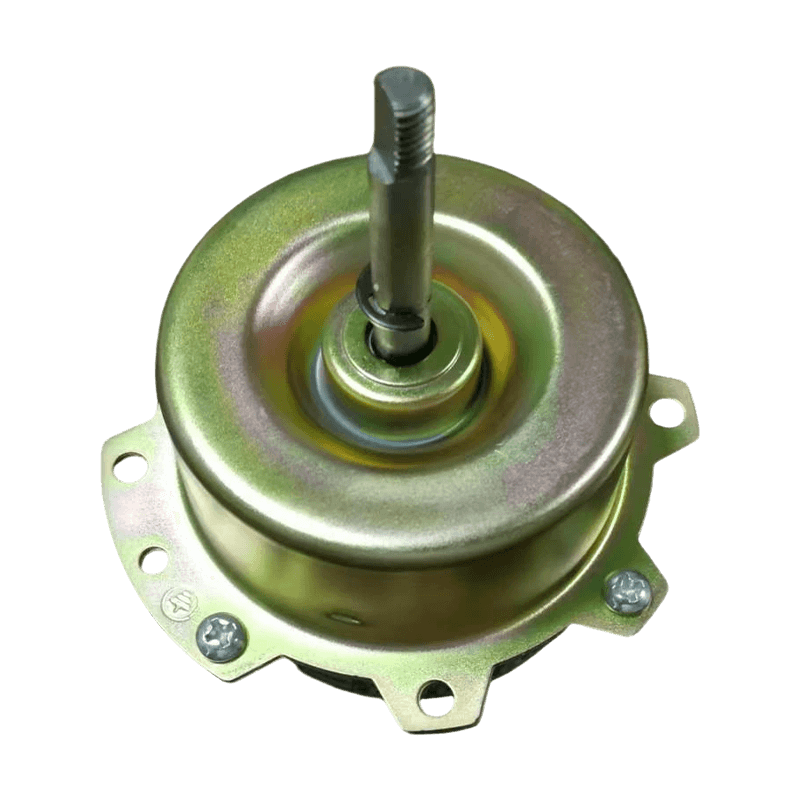
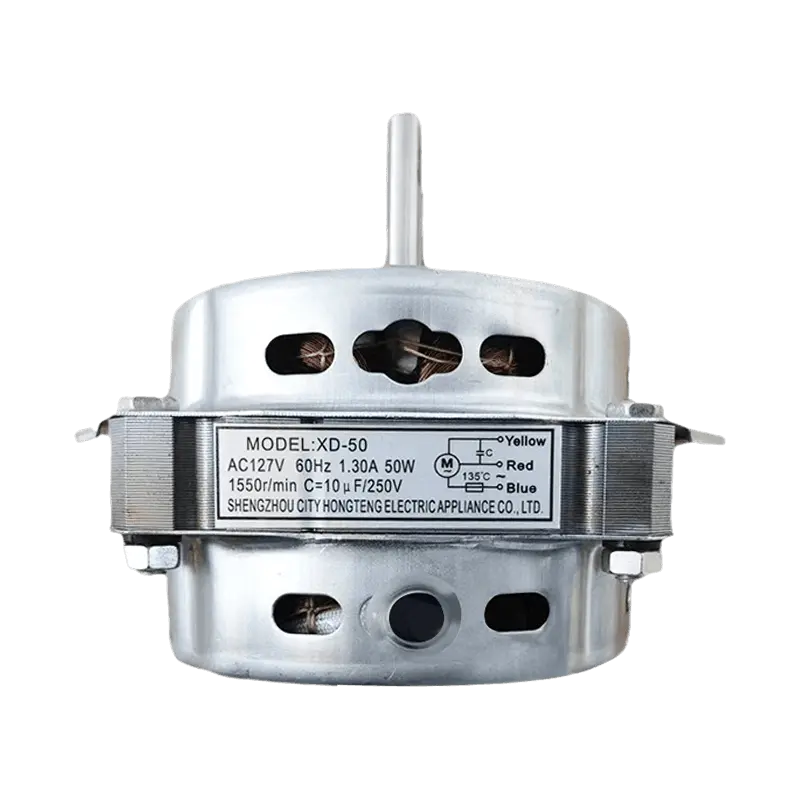
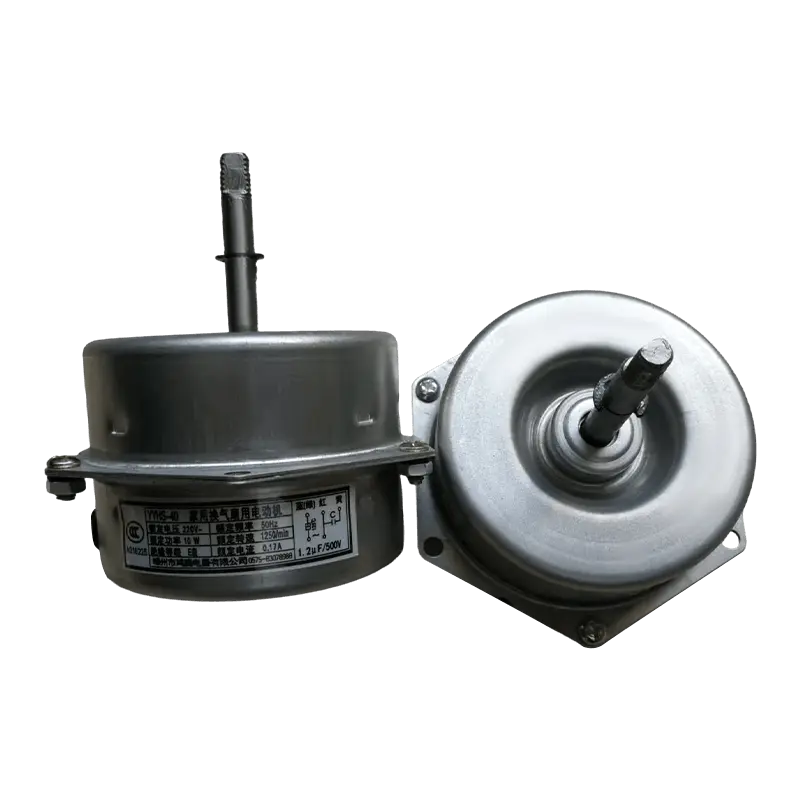
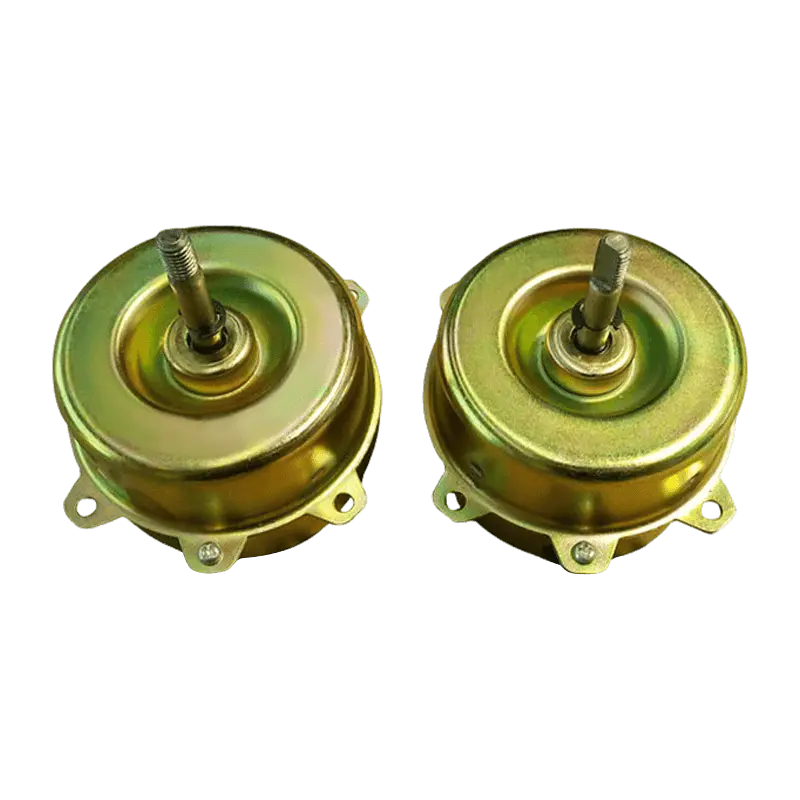
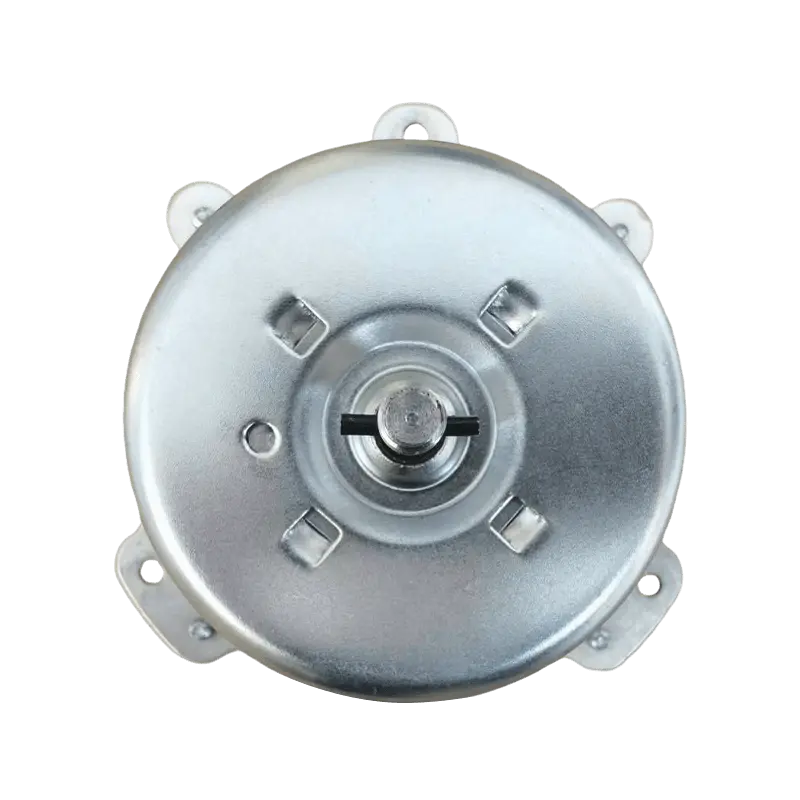
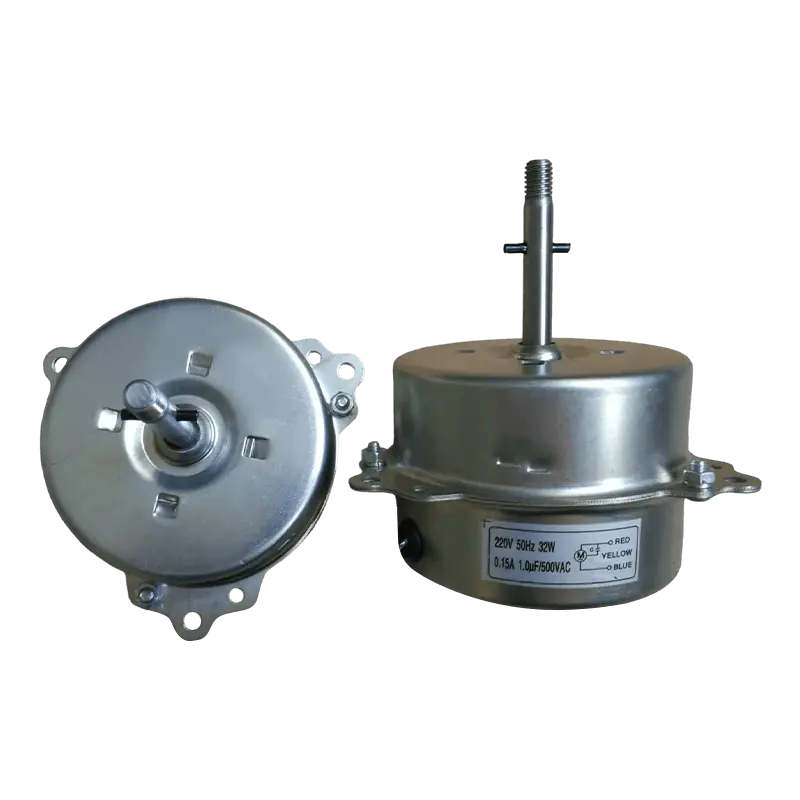
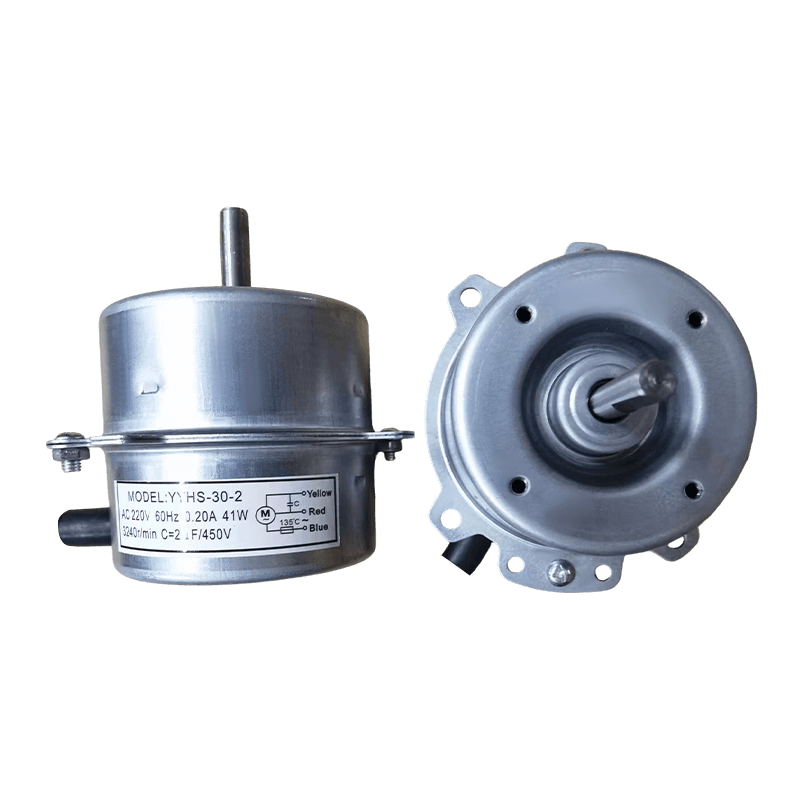
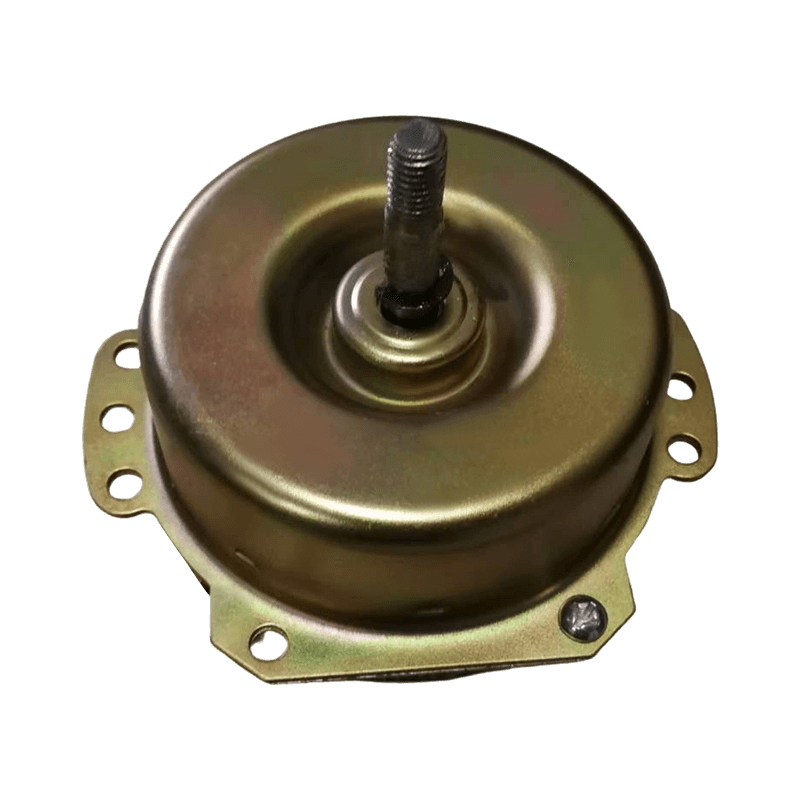
An exhaust fan motor is a motor specifically designed for exhaust fans. It typically features a high-efficiency, low-energy consumption design, providing continuous and stable power output with minimal power consumption, meeting ventilation needs in various environments. It is widely used in homes, offices, industrial plants, and other locations for air exchange, odor removal, and humidity control. Characteristics of exhaust fan motors include low noise, smooth operation, long service life, strong corrosion resistance, and high-temperature resistance, ensuring reliability and stability during long-term operation. This type of motor is usually integrated with components such as capacitors, fan blades, and end caps to ensure efficient power transmission and proper fan operation.
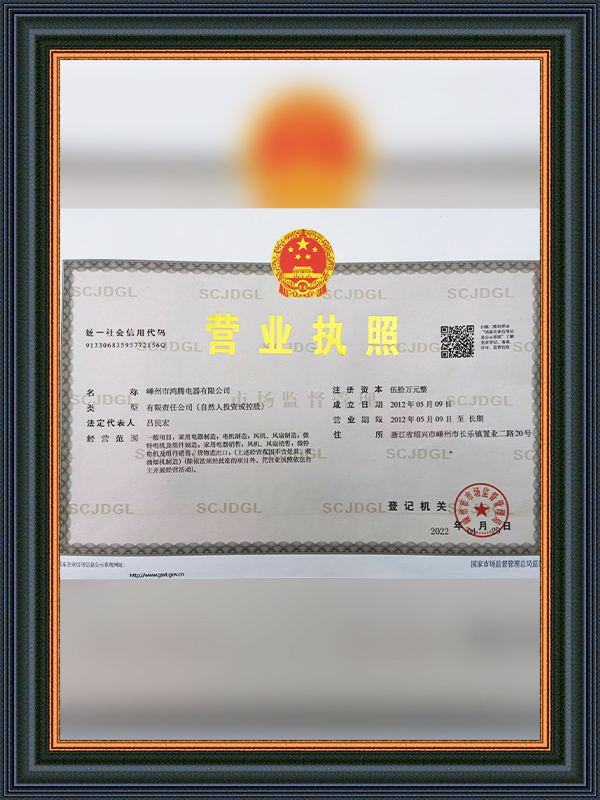
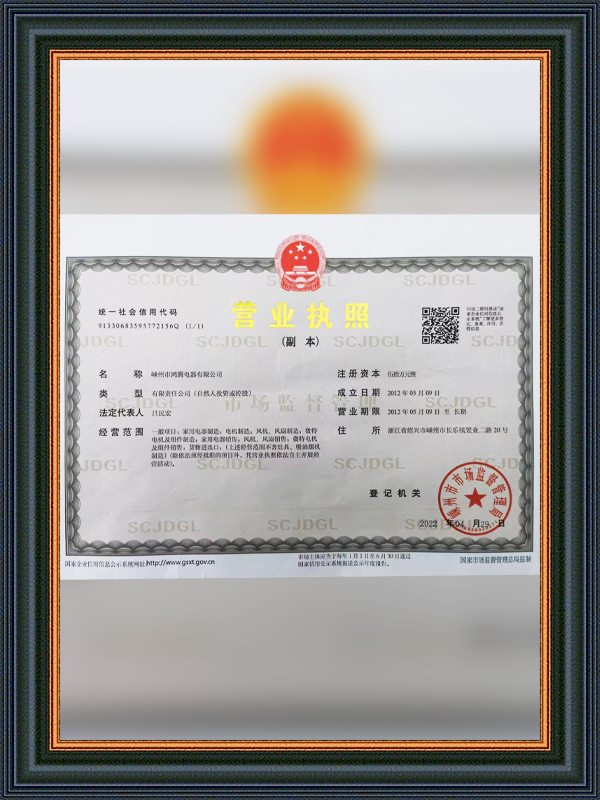
Shengzhou Hongteng Electric Appliance Co., Ltd. is located in the Motor Industrial Park of Changle Town, Shengzhou City, Zhejiang Province, renowned as the "Hometown of Yue Opera" and the "Motor Hub." As a specialized enterprise, it primarily designs, manufactures, and markets various electric motors for domestic and international household appliances. Its products are widely used in exhaust fans, electric fans, air cooler fans, elevator fans, washing machines, spin dryers, air purifiers, ice crushers, and noodle machines, among others. The company can also provide motors with different voltages and frequencies based on customer requirements.
As China Ventilation Fan Motor Manufacturers and Exhaust Fan Motor Suppliers, after over two decades of development, the company has acquired a complete set of advanced production equipment, comprehensive testing facilities, and a team of motor design engineers who adhere to the principle of "Quality First, Sincere Service." Through continuous innovation, it strives to deliver energy-efficient, high-quality products to customers. We welcome partners from around the world to collaborate and create a brighter future together.
Exhaust fan AC motors are critical components in various industrial and residential applications, where they are exposed to harsh environmental conditions. These motors often operate in environments with high humidity, dust, chemicals, or extreme temperatures. As a result, it becomes crucial to design these motors with corrosion-resistant features to ensure longevity, reliability, and consistent performance. For a company like Shengzhou Hongteng Electric Appliance Co., Ltd., which designs motors for applications such as exhaust fans, providing products that can withstand such environments is essential for meeting the diverse needs of customers.
Corrosion is one of the primary threats to the longevity and performance of any motor, especially in exhaust fans that are often installed in environments like kitchens, bathrooms, or industrial settings. The combination of moisture, heat, and contaminants like grease or chemicals can significantly affect the motor's internal components. Without a corrosion-resistant design, the motor's metal parts can degrade over time, causing reduced efficiency, increased friction, overheating, and ultimately motor failure.
To combat corrosion, exhaust fan AC motors are often constructed with materials that resist rust and degradation. Stainless steel, for example, is commonly used for the motor housing or exterior parts due to its excellent resistance to corrosion, even in humid and chemically aggressive environments. Additionally, manufacturers may use galvanized steel or aluminum alloys, both of which offer good corrosion resistance while maintaining lightweight properties.
For the internal components of the motor, special corrosion-resistant coatings may be applied to prevent rust formation. These coatings are typically applied to metal parts such as the rotor, stator, and bearings. Epoxy coatings and powder coatings are commonly used to protect these components. They form a barrier that prevents moisture and other corrosive agents from coming into contact with the metal surfaces, significantly prolonging the motor's life span.
In addition to using corrosion-resistant materials, sealing and protection systems are essential for safeguarding the motor against environmental factors. Exhaust fan motors may feature rubber gaskets, seals, and O-rings that prevent moisture, dust, and debris from entering the motor housing. These seals act as barriers that protect the motor’s internal components from harmful elements, such as water vapor, oil, or chemicals, which could otherwise accelerate corrosion.
Additionally, some exhaust fan motors are designed with special ventilation systems that help prevent the accumulation of moisture and reduce the chances of condensation inside the motor. Proper ventilation allows for the circulation of air, which helps to keep the motor dry and minimizes the risk of rust or corrosion.
Environmental conditions play a significant role in the design of corrosion-resistant exhaust fan motors. For example, in marine environments or locations with high salinity, the level of corrosion resistance needed is far higher than in typical residential or commercial settings. In these cases, motors designed for such applications may incorporate specialized coatings, additional sealing, or even high-grade materials like titanium, which can resist corrosion from saltwater and other corrosive substances.
Furthermore, the temperature range in which the motor is expected to operate also influences the materials and design choices. High-temperature environments, such as those found in industrial settings with heavy-duty exhaust fans, require motors that are not only corrosion-resistant but also capable of operating efficiently under high heat conditions without losing performance.
Even with corrosion-resistant designs and materials, regular maintenance is critical to the longevity of exhaust fan AC motors. Over time, external elements like dust, grease, and moisture can still accumulate, leading to corrosion if left unchecked. Routine inspections and cleaning are necessary to remove debris and contaminants that could cause rusting or block ventilation systems. Furthermore, periodic lubrication of moving parts like bearings and rotors can reduce friction and prevent the buildup of heat that could contribute to material degradation.
A well-designed corrosion-resistant exhaust fan AC motor performs more reliably and efficiently over time. By preventing corrosion, the motor can maintain optimal airflow, reduce energy consumption, and avoid performance degradation. A motor that remains free from corrosion-related issues ensures that the fan can run smoothly, without unexpected breakdowns or inefficiencies, contributing to better overall performance and a longer service life.
The specific requirements for corrosion resistance in exhaust fan motors depend on the application. For instance, motors used in residential exhaust fans may only need basic corrosion resistance due to the relatively mild conditions they operate in. However, motors used in industrial exhaust systems, which might be exposed to chemicals, high humidity, or extreme temperatures, require more advanced corrosion-resistant materials and design features. Manufacturers like Shengzhou Hongteng Electric Appliance Co., Ltd. provide a variety of motor designs tailored to meet these specific environmental challenges, ensuring that their products can perform reliably in diverse conditions.
Q: How does the size and power rating of an exhaust fan AC motor impact its performance?
A: The size and power rating of an exhaust fan AC motor are crucial factors in determining its airflow and efficiency. A larger motor typically generates more power, which allows the fan to move a higher volume of air, resulting in better ventilation and cooling. However, larger motors also require more energy, which can increase operating costs. Manufacturers carefully balance motor size and power to ensure efficient and effective performance while minimizing energy consumption.
Q: What materials are used in the construction of exhaust fan AC motors to enhance durability?
A: Exhaust fan AC motors are often constructed using materials that resist wear, rust, and corrosion. Common materials include stainless steel, aluminum alloys, and specially coated metals. These materials are selected for their ability to withstand high humidity, heat, and environmental contaminants that exhaust fans may encounter. In addition, coatings like epoxy and powder finishes are applied to protect the motor’s components and extend its service life in harsh environments.
Q: How can the efficiency of an exhaust fan AC motor affect energy consumption?
A: The efficiency of an exhaust fan AC motor directly impacts its energy consumption. More efficient motors convert a higher percentage of electrical energy into mechanical power, reducing the amount of energy lost as heat. This leads to lower operating costs and reduced environmental impact. In contrast, less efficient motors may consume more power for the same level of performance, resulting in higher energy bills over time.
Q: Can an exhaust fan AC motor be adjusted for variable speeds?
A: Yes, many modern exhaust fan AC motors are designed to operate at variable speeds. These motors can adjust their speed to meet the specific ventilation needs of a room, allowing for greater control over airflow and energy use. Variable-speed motors also help reduce wear and tear on the motor by allowing it to run at lower speeds when less airflow is needed, thereby extending the motor's lifespan.
Q: What role does the motor cooling system play in the performance of an exhaust fan AC motor?
A: The cooling system in an exhaust fan AC motor helps to regulate the motor's temperature and prevent overheating. This is particularly important in environments where the motor is expected to run for extended periods or in high-heat conditions. Cooling systems can include air vents, fans, and even special coatings that facilitate heat dissipation. By maintaining optimal operating temperatures, the cooling system ensures that the motor performs efficiently and prolongs its operational life.
Q: How do different environmental factors affect the performance of an exhaust fan AC motor?
A: Environmental factors such as humidity, dust, and temperature can significantly affect the performance of an exhaust fan AC motor. High humidity can lead to corrosion, while dust accumulation can reduce airflow and motor efficiency. Additionally, extreme temperatures can cause the motor to overheat or reduce its lifespan. Manufacturers often design motors with protective coatings and sealed components to mitigate these environmental challenges and ensure reliable performance in various settings.
Q: What maintenance is required to keep an exhaust fan AC motor functioning optimally?
A: Regular maintenance is essential to ensure that an exhaust fan AC motor operates efficiently. Maintenance tasks include cleaning the motor and fan blades, checking for dust buildup, and lubricating the bearings. It’s also important to inspect the motor’s cooling system for any blockages and ensure that ventilation channels are free of debris. Routine maintenance helps prevent overheating, corrosion, and mechanical failure, extending the motor's lifespan and improving its performance.

Contact Us
+86 0575 83078988
+86 13605855838
+86 17769850789
13605855838
No. 20, Zhiye Road, Changle Town, Shengzhou City, Shaoxing City, Zhejiang Province
Contact Us
 OEM/ODM Exhaust Fan AC Motor Suppliers