Quick Product Search
Contact us to learn how we can use our expertise to bring you high-quality products.

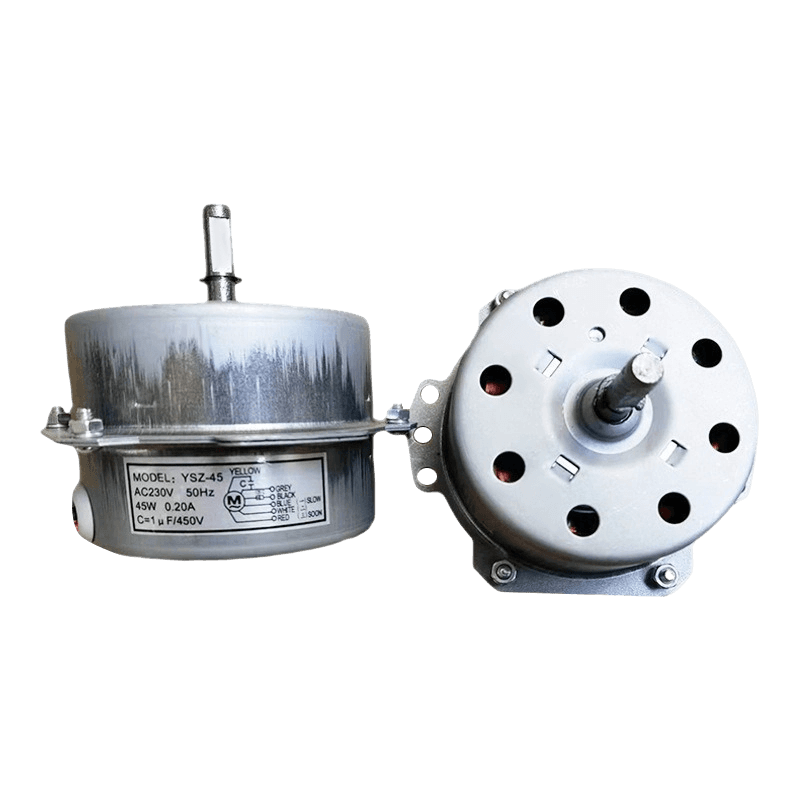
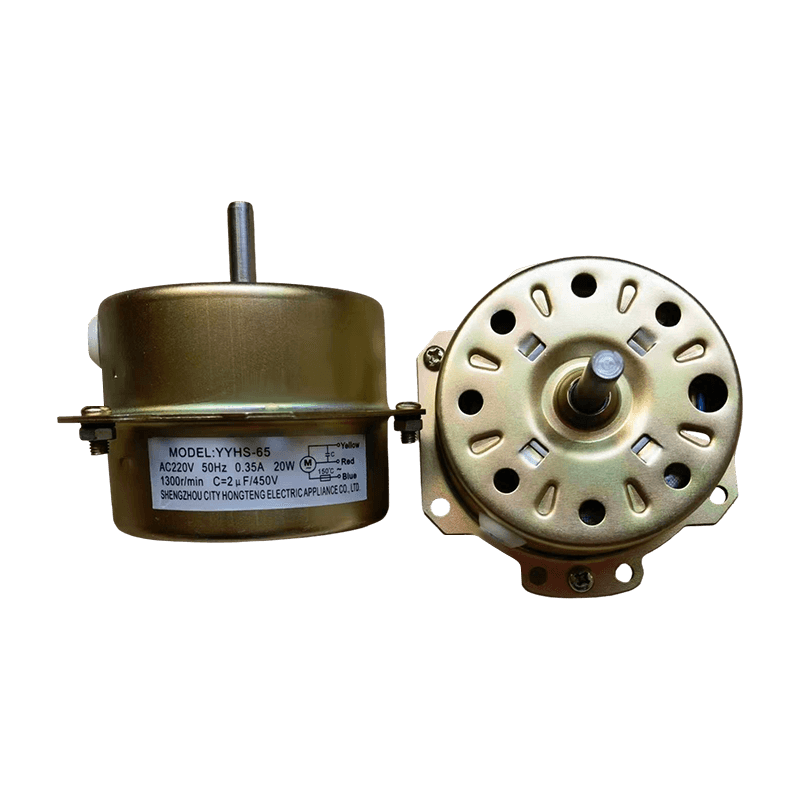
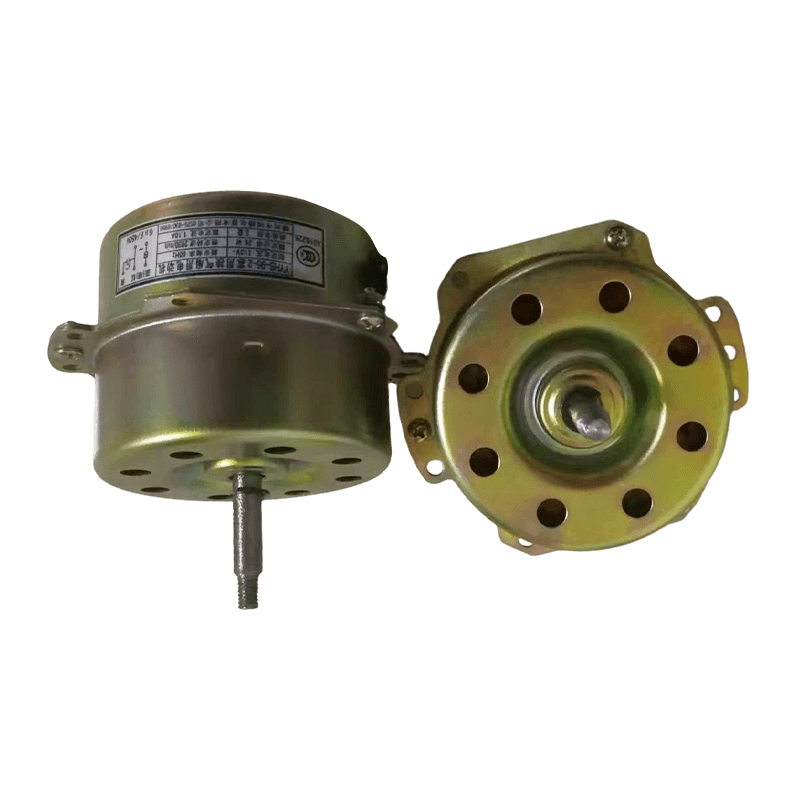
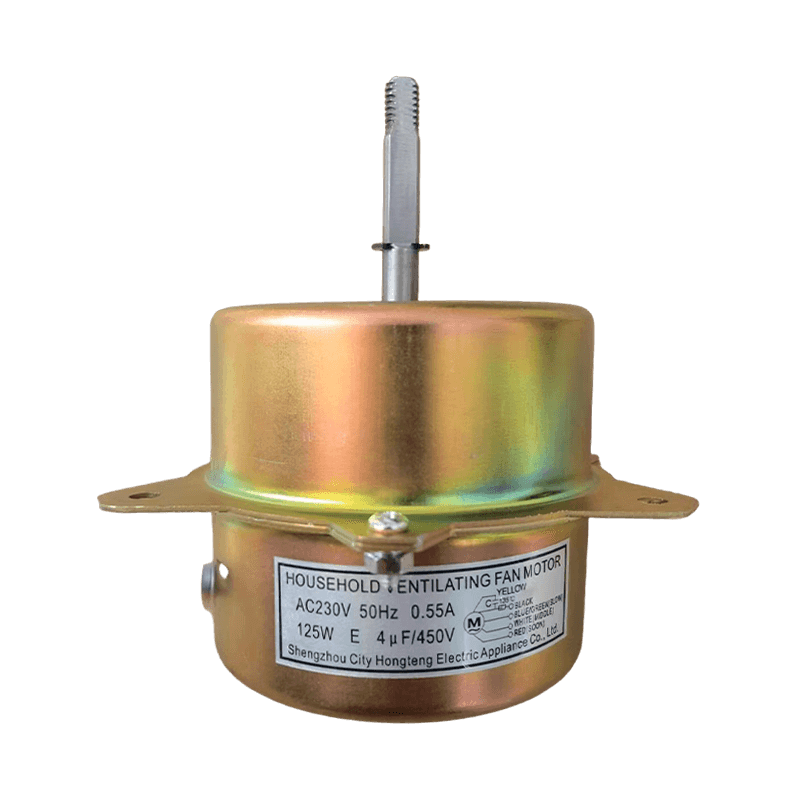
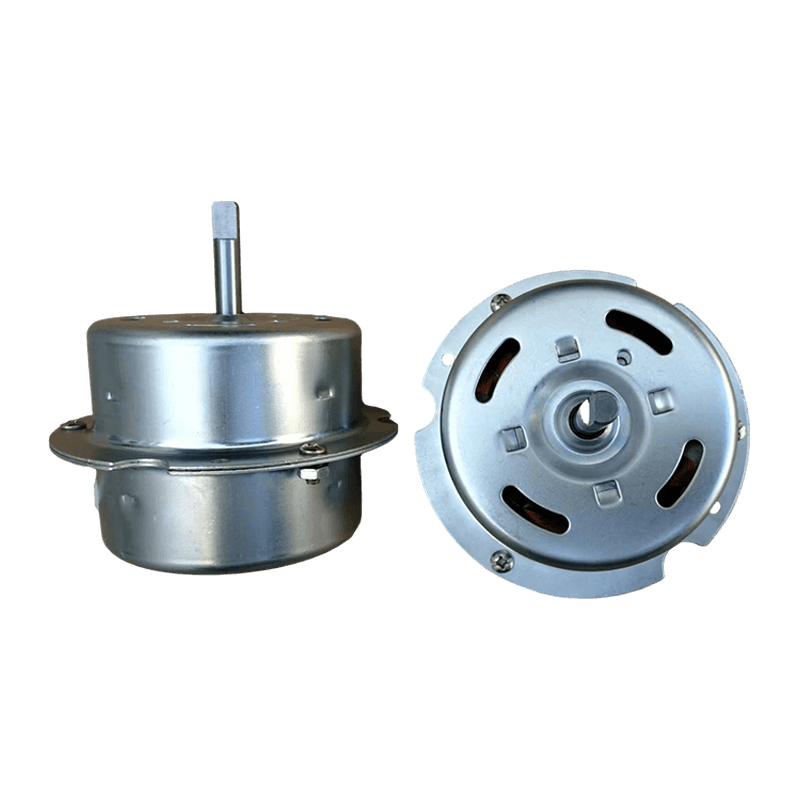
Home Appliance Motors are the core power motors for various household appliances. These motors are designed to be compact, powerful, and reliable, and are widely used in washing machines, dryers, air conditioners, hair dryers, blenders, vacuum cleaners, cooling fans, exhaust fans, floor fans, oscillating fans, tower fans, and other small and large household appliances. They provide continuous and reliable power output, ensuring the efficient operation of home appliances, while also featuring low noise, heat resistance, durability, and energy efficiency, making them suitable for long-term continuous operation. Home Appliance Motors play a crucial role in improving appliance performance, extending service life, and ensuring operational safety. They are the power core of modern household appliances, and are available in different voltages and frequencies to meet customer needs.
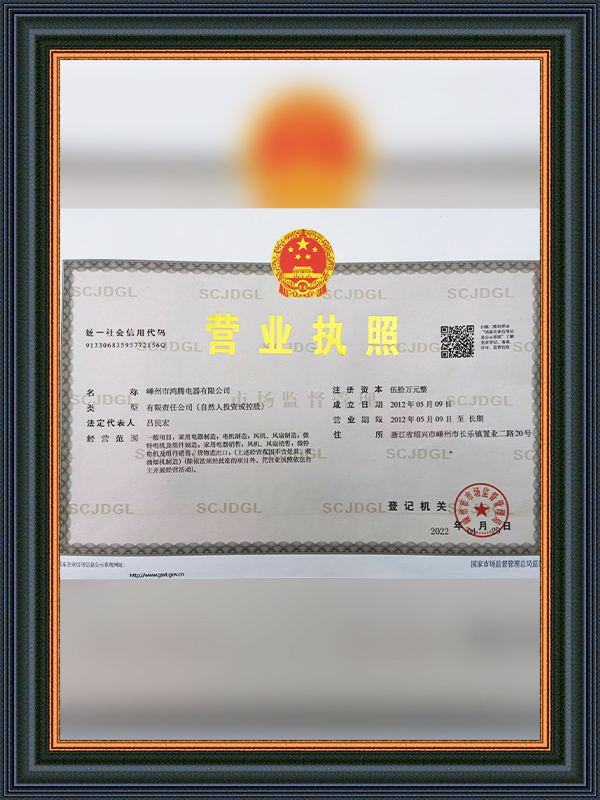
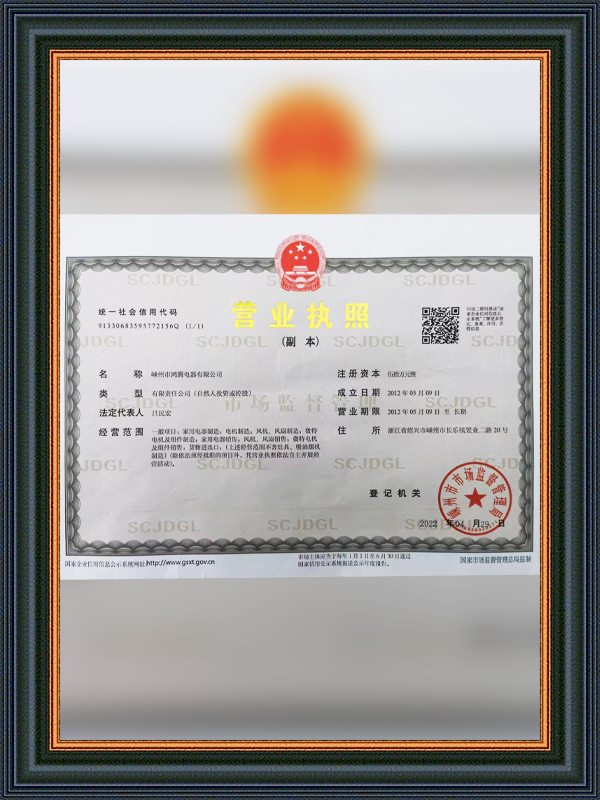
Shengzhou Hongteng Electric Appliance Co., Ltd. is located in the Motor Industrial Park of Changle Town, Shengzhou City, Zhejiang Province, renowned as the "Hometown of Yue Opera" and the "Motor Hub." As a specialized enterprise, it primarily designs, manufactures, and markets various electric motors for domestic and international household appliances. Its products are widely used in exhaust fans, electric fans, air cooler fans, elevator fans, washing machines, spin dryers, air purifiers, ice crushers, and noodle machines, among others. The company can also provide motors with different voltages and frequencies based on customer requirements.
After over two decades of development, the company has acquired a complete set of advanced production equipment, comprehensive testing facilities, and a team of motor design engineers who adhere to the principle of "Quality First, Sincere Service." Through continuous innovation, it strives to deliver energy-efficient, high-quality products to customers. We welcome partners from around the world to collaborate and create a brighter future together.
AC motors, or alternating current motors, are widely used in home appliances due to their ability to operate efficiently, their long lifespan, and their ability to handle continuous use. There are two main types of AC motors used in household appliances: Induction Motors and Synchronous Motors. Below, we explore both in detail.
Induction motors are the most common type of AC motor used in home appliances. These motors operate based on electromagnetic induction, where an electric current is induced in the rotor due to the magnetic field created by the stator. The rotor, which is not connected to the external power supply, starts to turn as the magnetic field interacts with it.
Advantages of Induction Motors:
In Shengzhou Hongteng Electric Appliance Co., Ltd., we specialize in manufacturing high-efficiency induction motors that are tailored to meet the specific needs of household appliances like refrigerators, washing machines, and fans.
| Advantages | Applications |
|---|---|
| Cost-effective | Refrigerators |
| Reliable and durable | Washing machines |
| Energy-efficient | Ceiling fans, air conditioners |
Synchronous motors are slightly more complex than induction motors but offer a higher degree of precision. These motors run at a fixed speed that is synchronized with the frequency of the AC power supply. Unlike induction motors, synchronous motors are powered by both the stator and a rotor that requires external excitation.
Advantages of Synchronous Motors:
While synchronous motors are not as common as induction motors in household appliances, they are used in specific applications where accuracy is critical. At Shengzhou Hongteng Electric Appliance Co., Ltd., we have the capability to design and produce synchronous motors for specialized applications.
| Advantages | Applications |
|---|---|
| Precise speed control | High-end cooling systems |
| High efficiency | Specialized ventilation systems |
| Low maintenance | Commercial appliances |
AC motors are integral to the operation of various home appliances. Their primary function is to convert electrical energy into mechanical energy to drive moving parts, ensuring that the appliances perform their tasks efficiently. Below are the key functions of AC motors in common home appliances:
AC motors are used to power the compressor in refrigerators and freezers. The compressor circulates the refrigerant, helping maintain the desired internal temperature. The efficiency of the AC motor in the compressor directly impacts the energy consumption of the refrigerator. A more energy-efficient motor will lower the overall operating costs, making it more environmentally friendly.
Key Function: The AC motor in the compressor allows the refrigerant to circulate, which keeps the refrigerator cool and energy-efficient.
| Features | Benefits |
|---|---|
| Energy-efficient motor | Low electricity consumption |
| Robust and durable | Long lifespan |
| Quiet operation | Reduced noise pollution |
Washing machines use AC motors to drive the drum, which spins to wash and rinse clothes. In some modern machines, variable-speed AC motors allow for better control over the speed of the drum, improving the efficiency of different wash cycles. The motor also plays a role in the spin cycle, helping remove excess water from the clothes, thus reducing drying time.
Key Function: The AC motor controls the rotation of the drum, determining the speed and direction for optimal washing performance.
| Features | Benefits |
|---|---|
| Variable-speed motor | More control over wash cycles |
| Energy-efficient operation | Reduced energy consumption |
| Low-maintenance design | Long-lasting performance |
In air conditioning units, AC motors serve two crucial functions. The motor powers the compressor, which circulates the refrigerant through the system, and the fan motor, which moves the cooled air throughout the room. The efficiency of the AC motor can impact both cooling performance and energy consumption.
Key Function: AC motors power the fan and compressor, ensuring the air conditioner cools the room efficiently.
| Features | Benefits |
|---|---|
| Dual motor function (fan & compressor) | Enhanced cooling performance |
| Energy-efficient operation | Lower electricity bills |
| Durable and reliable | Long-lasting performance |
AC motors are used in ceiling fans to rotate the blades and circulate air throughout a room. These motors are designed for continuous use and are built to operate quietly and efficiently. The motor speed can be adjusted to suit different comfort levels, allowing users to control airflow.
Key Function: The AC motor in ceiling fans controls the speed and rotation of the blades, providing ventilation and air circulation.
| Features | Benefits |
|---|---|
| Adjustable speed motor | Customizable airflow |
| Silent operation | Quiet cooling solution |
| Energy-efficient design | Low power consumption |
Home Appliance Motors offer numerous benefits that make them ideal for use in home appliances. Here are some of the key advantages:
AC motors are known for their energy efficiency, especially when used in appliances that operate continuously, such as refrigerators, washing machines, and air conditioners. The ability to regulate motor speed and power consumption helps reduce overall energy usage, resulting in lower electricity bills and a smaller environmental footprint.
AC motors are designed for long-lasting performance. With minimal wear and tear, they require less maintenance compared to other motor types. The robust design ensures that the motor can operate in challenging conditions, making them a reliable choice for home appliances that need to run frequently.
AC motors are generally more affordable to manufacture and maintain compared to their DC counterparts. The simplicity of induction motors, in particular, reduces manufacturing costs, allowing appliance manufacturers to offer consumers cost-effective products that do not sacrifice performance.
Many modern AC motors are designed to operate quietly, which is a significant advantage in household appliances. Quiet motors reduce noise pollution and provide a more comfortable environment for users. For instance, ceiling fans and air conditioners with silent AC motors ensure that the home remains peaceful, even when appliances are running.
AC motors can be used in a wide range of home appliances, from refrigerators and washing machines to ceiling fans and air conditioners. Their versatility, combined with their performance benefits, makes them an ideal choice for various household products.
| Benefits | Details |
|---|---|
| Energy-efficient | Lower electricity bills |
| Durable and low-maintenance | Reduced repair and replacement costs |
| Quiet operation | Enhanced user comfort |
| Cost-effective | Affordable manufacturing and maintenance |
1. What are the most common types of AC motors used in home appliances?
The most common types are induction motors and synchronous motors. Induction motors are widely used due to their affordability and reliability, while synchronous motors are used in specialized applications where precise speed control is required.
2. How does the AC motor affect the energy efficiency of an appliance?
AC motors contribute to energy efficiency by providing the optimal balance between power consumption and operational performance. Modern AC motors are designed to adjust speed based on the needs of the appliance, reducing unnecessary energy usage.
3. What are the benefits of using AC motors in washing machines?
AC motors in washing machines offer variable speed control, which enhances washing efficiency and reduces power consumption. They also provide durable and reliable performance, ensuring a longer lifespan for the appliance.
4. How can I ensure the longevity of my appliance’s AC motor?
To ensure the longevity of an AC motor, regular maintenance is crucial. This includes cleaning dust and debris, checking for any signs of wear, and ensuring that the motor is not overworked or overheated.
5. Are synchronous motors better than induction motors for home appliances?
It depends on the application. Induction motors are more commonly used because they are cost
Contact Us
+86 0575 83078988
+86 13605855838
+86 17769850789
13605855838
No. 20, Zhiye Road, Changle Town, Shengzhou City, Shaoxing City, Zhejiang Province
Contact Us