English
 中文简体
中文简体

Quick Product Search
Contact us to learn how we can use our expertise to bring you high-quality products.
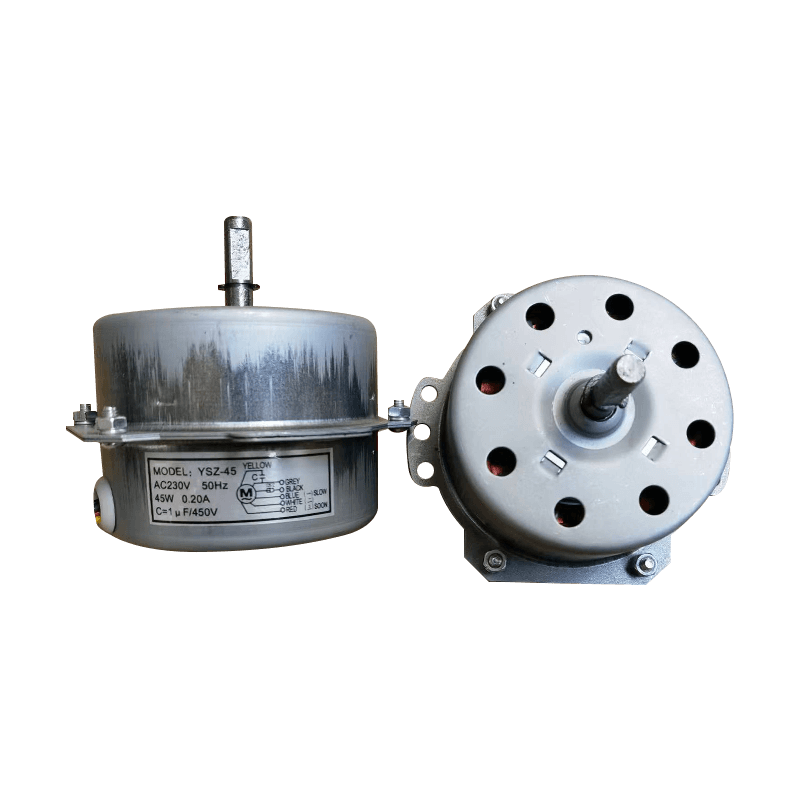
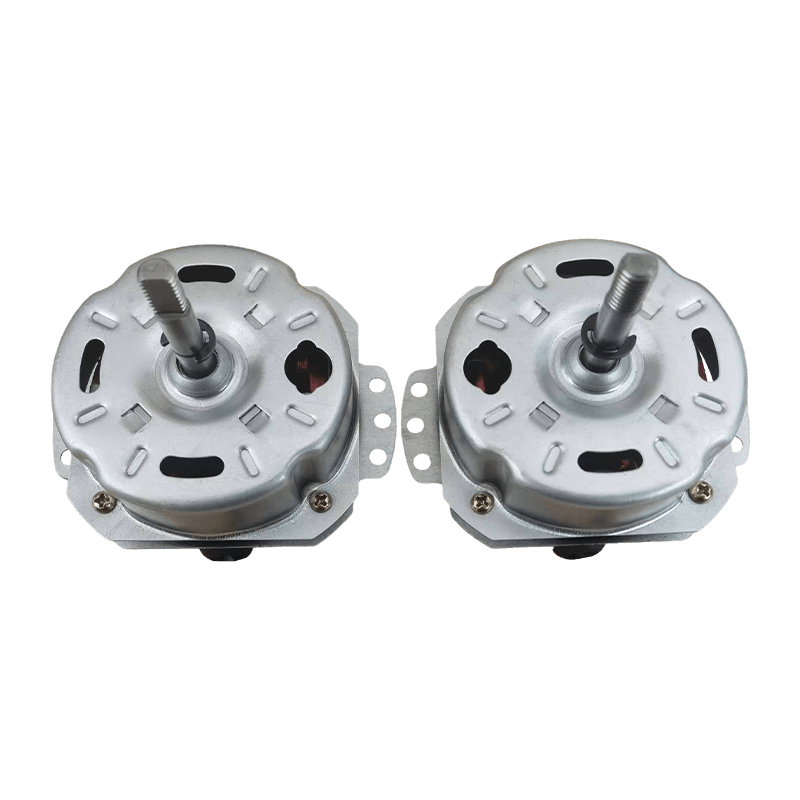
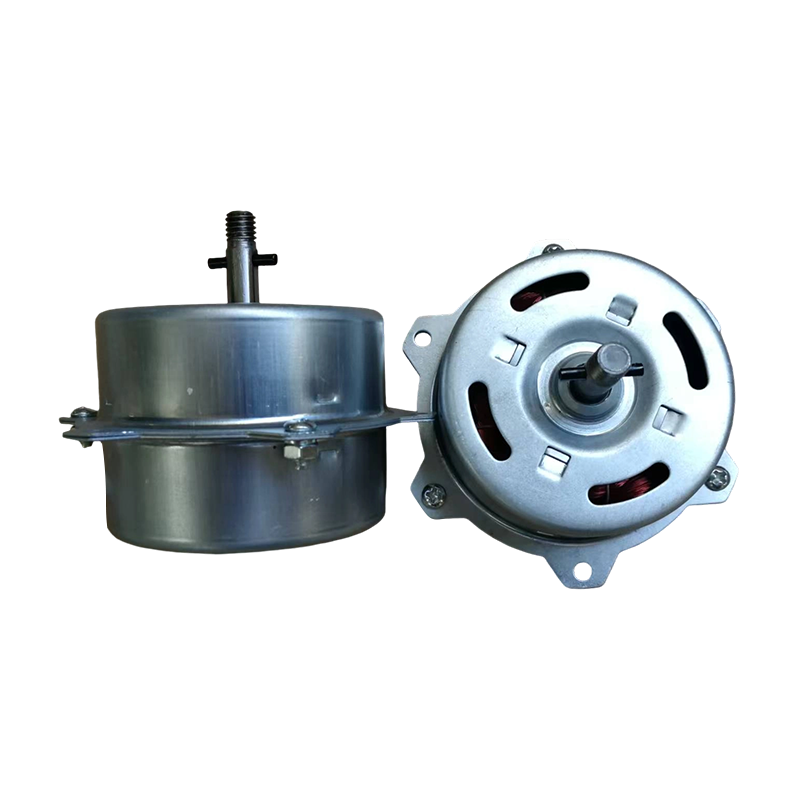
The Hongyun fan/oscillating fan/tower fan motor is a high-efficiency motor widely used in various fields such as homes, offices, and shops. Through optimized design, this motor provides strong and even airflow at low power consumption, effectively achieving air circulation, cooling, and ventilation. The motor utilizes advanced silent technology, maintaining low noise levels even under high load operation, creating a quiet and comfortable environment for users.
The Hongyun fan/oscillating fan/tower fan motor uses high-quality materials and precision manufacturing processes. The motor exhibits excellent resistance to high temperatures, corrosion, and aging, extending its service life and reducing maintenance and replacement frequency. Even with long-term use, it maintains excellent operating performance, reducing failure rates and providing users with a long-term, stable, and reliable experience, bringing coolness to the summer.
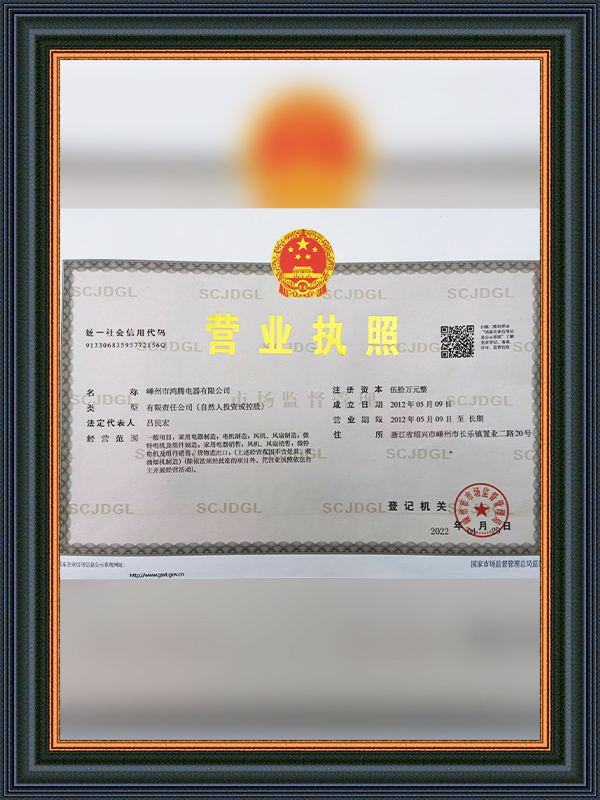
Shengzhou Hongteng Electric Appliance Co., Ltd. is located in the Motor Industrial Park of Changle Town, Shengzhou City, Zhejiang Province, renowned as the "Hometown of Yue Opera" and the "Motor Hub." As a specialized enterprise, it primarily designs, manufactures, and markets various electric motors for domestic and international household appliances. Its products are widely used in exhaust fans, electric fans, air cooler fans, elevator fans, washing machines, spin dryers, air purifiers, ice crushers, and noodle machines, among others. The company can also provide motors with different voltages and frequencies based on customer requirements.
As China Oscillating Fan AC Motor Manufacturers and Tower Fan AC Motor Suppliers, after over two decades of development, the company has acquired a complete set of advanced production equipment, comprehensive testing facilities, and a team of motor design engineers who adhere to the principle of "Quality First, Sincere Service." Through continuous innovation, it strives to deliver energy-efficient, high-quality products to customers. We welcome partners from around the world to collaborate and create a brighter future together.
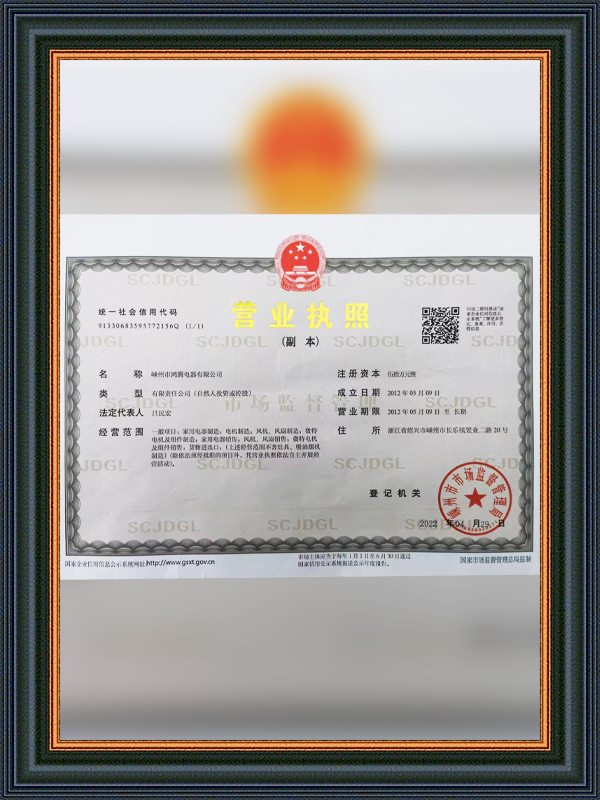
The cooling system in a tower fan AC motor plays a crucial role in maintaining the motor’s performance and preventing overheating during prolonged use. As a company that designs and manufactures various electric motors for household appliances, such as exhaust fans and air coolers, Shengzhou Hongteng Electric Appliance Co., Ltd. understands the need for motors that remain efficient and reliable even in challenging environments. Proper cooling ensures that the motor operates effectively without overheating, especially in tower fans that require continuous operation.
To dissipate heat efficiently, tower fan AC motors are designed with several ventilation openings or air vents. These features allow air to circulate around the motor, drawing heat away and ensuring stable operating temperatures. Ventilation not only prevents the motor from overheating but also ensures that it can continue running for extended periods without a drop in performance. The motor’s internal design and positioning of the fan blades help promote airflow, assisting in heat dissipation. Such thoughtful engineering contributes to the overall durability of the motor.
Bearings inside the motor reduce friction between moving parts, which is essential for maintaining motor efficiency and preventing heat buildup. Proper lubrication of these bearings helps reduce resistance, improving overall motor performance and cooling. Motors designed with high-quality bearings and lubrication systems, such as those manufactured by Shengzhou Hongteng Electric Appliance Co., Ltd., ensure smooth operation and reduce the chances of overheating, particularly in appliances that run for long periods, such as tower fans.
The material used in the motor housing plays an essential role in heat resistance. For tower fan motors, metals like aluminum and copper are commonly used because of their excellent thermal conductivity. These materials help transfer heat away from the motor’s internal components, preventing excessive heat buildup. Motor housings are often coated with heat-resistant finishes to enhance durability, ensuring the motor can withstand high operational temperatures and continue to function reliably for years.
Temperature sensors are often integrated into tower fan AC motors to monitor the motor's internal temperature. These sensors can trigger protective mechanisms when the motor reaches a certain temperature threshold. For example, the fan may shut down automatically if the motor overheats, preventing long-term damage. This protection feature is especially important for ensuring the motor operates safely and reliably, a key consideration for companies like Shengzhou Hongteng Electric Appliance Co., Ltd. that prioritize quality and longevity in their products.
Variable-speed motors are a key innovation in modern tower fans. These motors allow the fan to adjust its speed based on cooling demand, which helps optimize energy consumption and reduce heat generation. When the cooling requirements are low, the motor operates at a reduced speed, consuming less power and generating less heat. This flexibility in motor speed ensures that the fan remains efficient and energy-conscious, a feature that is becoming more prevalent in the designs of products like those from Shengzhou Hongteng Electric Appliance Co., Ltd.
The ambient temperature surrounding the tower fan can affect how well the cooling system works. In environments with high temperatures, the motor may have to work harder to maintain airflow, generating more heat. To combat this, cooling systems may include larger fan blades, additional ventilation, or better heat-resistant materials. These features ensure that the motor can function effectively even in high-temperature conditions, offering a consistent performance in various climates.
While cooling performance is essential, manufacturers also prioritize reducing operational noise. Efficient cooling systems in tower fans are designed to minimize noise while maintaining optimal cooling. By carefully designing the motor and housing, and by using sound-dampening materials, manufacturers can reduce vibrations and noise levels. This ensures the fan runs quietly, making it ideal for residential and office environments where noise can be a concern. The balance of effective cooling and quiet operation is a hallmark of quality fan design.
Q: How does a tower fan AC motor differ from other household appliance motors?
A: A tower fan AC motor is typically designed for higher efficiency and quieter operation compared to motors used in other household appliances. Tower fan motors focus on delivering consistent airflow over an extended period, making them ideal for cooling spaces. The motor design and components are optimized for low noise, ensuring a more comfortable environment in homes or offices.
Q: What factors should be considered when selecting a tower fan AC motor for an appliance?
A: When selecting a tower fan AC motor, key factors include motor size, power output, efficiency, and noise level. The motor should provide sufficient airflow for the room size and ensure energy-efficient operation. The noise produced by the motor is also a critical consideration, especially in settings where quiet operation is preferred, such as bedrooms or offices.
Q: How does the voltage and frequency of a tower fan AC motor affect its performance?
A: The voltage and frequency of a tower fan AC motor must match the electrical standards of the region it is being used in. For example, in regions using 220V at 50Hz, the motor must be designed to handle that specific voltage and frequency to ensure optimal performance. Using the wrong voltage or frequency can lead to inefficient operation, excessive noise, or even motor damage.
Q: What maintenance is required for a tower fan AC motor to ensure long-lasting performance?
A: Regular maintenance for a tower fan AC motor includes cleaning the motor and fan blades, checking for dust accumulation, and ensuring that the bearings are properly lubricated. Over time, dirt and dust can cause the motor to overheat or reduce its efficiency, so regular cleaning and inspection are crucial. Additionally, the motor’s electrical components should be checked periodically for wear or damage.
Q: Can a tower fan AC motor handle different operating speeds?
A: Yes, tower fan AC motors are typically designed to handle multiple operating speeds. Many tower fans come with settings for low, medium, and high-speed operations, allowing users to adjust airflow based on their needs. The motor is built to maintain efficiency and smooth operation across these speeds, providing versatile performance for various cooling requirements.
Q: How does the type of bearing in a tower fan AC motor impact its noise levels?
A: The type of bearing used in a tower fan AC motor significantly affects noise levels. Ball bearings, for instance, tend to produce less friction and operate more smoothly, resulting in quieter performance. In contrast, sleeve bearings may generate more noise and vibration due to higher friction. The choice of bearing type can influence the overall user experience, particularly in noise-sensitive environments.
Q: What are the common issues that can affect the performance of a tower fan AC motor?
A: Common issues with tower fan AC motors include overheating, bearing wear, electrical malfunctions, and dust buildup. Over time, motors may experience wear on their components, leading to increased friction, noise, or reduced airflow. Regular maintenance and proper care can help mitigate these problems and extend the motor’s lifespan.
Q: How does the efficiency of a tower fan AC motor impact energy consumption?
A: The efficiency of a tower fan AC motor plays a significant role in energy consumption. More efficient motors consume less power while providing the same level of airflow, helping to reduce electricity costs. Choosing a high-efficiency motor ensures that the fan operates optimally while minimizing energy waste, which is especially important for long-term usage.

Contact Us
+86 0575 83078988
+86 13605855838
+86 17769850789
13605855838
No. 20, Zhiye Road, Changle Town, Shengzhou City, Shaoxing City, Zhejiang Province
Contact Us
 OEM/ODM Hongyun/Oscillating/Tower Fan AC Motor Suppliers